
Planting
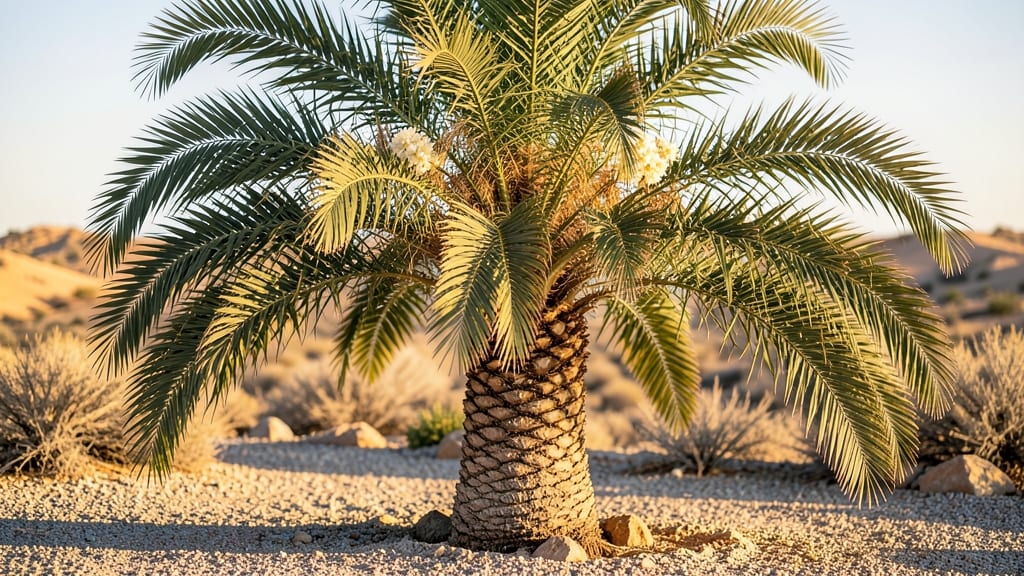
Phoenix gardening zones cover USDA Hardiness Zones 9b to 11a, where scorching summers and arid conditions create microclimates that require heat-resistant plants and smart irrigation strategies to thrive.
Phoenix's diverse elevations and urban heat pockets mean your garden's microclimate can shift dramatically even within city blocks. Zone 9b (higher elevations like North Phoenix) sees cooler winters, while Zone 11a (low desert areas) can hit 120°F+ in summer. Native desert plants like palo verde and agave naturally handle these extremes, but even they need proper soil prep—amending with compost improves water retention in our sandy desert soil. 🔥
Don't forget about urban heat islands: concrete surfaces can raise temperatures by 10-15°F compared to rural areas. This means plants in downtown Phoenix may need more shade and frequent watering than those in suburban neighborhoods.
I always recommend testing your soil's moisture level before watering—overwatering is just as harmful as underwatering in this climate.
💡 In This Article
- USDA Hardiness Zones 9b-11a: Phoenix’s Plant Survival Guide
- Microclimate Mastery: Shade, Wind, and Soil Adjustments for Phoenix Gardens
USDA hardiness zones 9b-11a: Phoenix’s plant survival guide
Phoenix's zone classification isn't just about average temperatures—it's a reflection of how elevation and urban development create dramatic differences across just 100 miles. Zone 9b (North Phoenix, 1,200-1,500 feet) experiences 20-30 frost-free days annually, while Zone 11a (South Phoenix, 750-1,000 feet) enjoys 365 frost-free days.
The 10°F temperature difference between these zones means a plant hardy in Zone 11a might struggle in Zone 9b during rare cold snaps.
The real game-changer is Phoenix's summer heat intensity. While Zone 9b tops out at 110°F, Zone 11a regularly hits 120°F+—a difference that forces gardeners to select plants with heat tolerance thresholds.
For example, Mexican feather grass (Zone 9a-11) thrives in Zone 11a but may scorch in Zone 9b's cooler winters. 🌵 The 150-day growing season in Zone 11a allows for year-round planting, while Zone 9b's shorter season requires careful timing of heat-sensitive crops like tomatoes.
Urban heat islands add another layer of complexity. Downtown Phoenix can be 10°F warmer than suburban areas due to concrete and asphalt absorbing heat. This creates "micro-zones" where plants need 10-20% more water than in rural desert gardens.
The solution? Plant heat-tolerant varieties like desert marigold (Zone 10-11) in urban areas and sensitive plants like roses (Zone 7-10) only in cooler microclimates near shade structures.
Frost is another critical factor—even in Zone 11a. While rare, 28°F temperatures can occur every 5-10 years, damaging tender plants. This is why native desert plants like ocotillo (Zone 8-11) are ideal—they've evolved to survive these occasional cold snaps.
For non-native plants, mulching with 3-4 inches of organic matter can raise soil temperatures by 5-10°F during cold nights, providing extra protection.
Water availability also shifts dramatically. Zone 11a's high evaporation rates (0.3 inches/day in summer) mean plants need deep, infrequent watering (every 7-10 days), while Zone 9b's slightly cooler climate allows for shallow, frequent watering (every 5-7 days).
The key is matching your watering schedule to your specific microclimate—overwatering in Zone 11a can lead to root rot, while underwatering in Zone 9b can stress plants during cooler months.
For gardeners, this means zone mapping your property is essential. Start by checking your elevation (use Google Earth's terrain tool) and observe how sunlight and wind patterns vary.
North-facing walls create cooler microclimates perfect for herbs and vegetables, while south-facing areas can support cacti and succulents. 🌿 By understanding these nuances, you can create a thriving garden that works with Phoenix's natural conditions rather than against them.