
Lawn
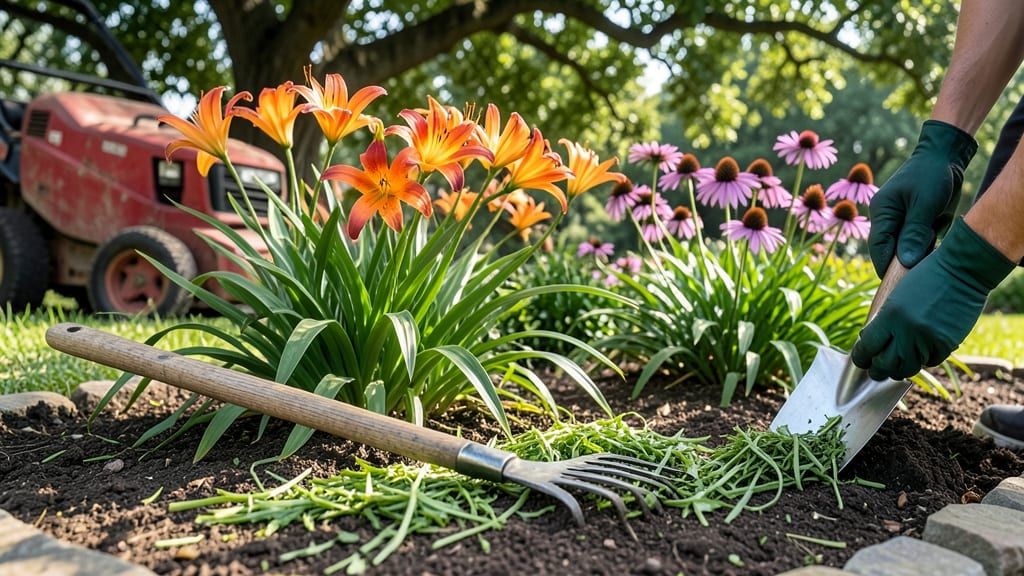
Putting grass clippings in your garden acts as a natural soil booster, delivering nitrogen-rich nutrients that feed plants while smothering weeds and locking in moisture—just keep them finely chopped and spread thinly to prevent plant suffocation. Skip this method if your lawn has been treated with herbicides or pesticides.
Grass clippings are essentially free plant food packed with nitrogen, which is essential for leafy growth. 🌱 When left on the lawn or spread in garden beds, they break down quickly, releasing nutrients that improve soil structure and encourage beneficial microbial activity.
Unlike synthetic fertilizers, this approach builds soil health over time while reducing waste—just remember to mow your lawn at the right height (3-4 inches) to prevent clippings from clumping together.
For best results, use clippings as a mulch layer no thicker than ¼ inch around plants. This prevents thatch buildup while keeping weeds at bay. If your garden has moisture-sensitive plants like succulents or cacti, skip this method entirely—grass clippings can retain too much dampness.
Instead, compost them first or use them around thirsty vegetables like tomatoes or peppers.
💡 In This Article
- How Grass Clippings Improve Soil Fertility
- Best Practices for Using Grass Clippings in Landscaping
How grass clippings improve soil fertility
Grass clippings are a powerhouse of nitrogen, containing about 4-5% nitrogen by dry weight, which is roughly 30-40% of their total nutrient content. This nitrogen comes from the grass's natural growth process, where it absorbs nitrogen from the air and soil through its roots.
When clippings decompose, this nitrogen is released in forms that plants can easily absorb, like ammonium and nitrate. 🌱 Unlike synthetic fertilizers that provide a quick but short-lived nutrient boost, grass clippings release nutrients gradually as they break down, feeding plants over weeks rather than days.
The decomposition process also creates an ideal environment for soil microbes. These tiny organisms—like bacteria and fungi—break down the clippings into simpler compounds, releasing not just nitrogen but also small amounts of phosphorus and potassium.
This microbial activity improves soil structure by creating tiny air pockets, which helps roots breathe and water drain better. Think of it like a hidden ecosystem: the clippings feed the microbes, the microbes enrich the soil, and the soil nourishes your plants.
For comparison, straw mulch provides minimal nitrogen (0.5%) and decomposes much slower, while leaves add some nitrogen but can mat and block moisture.
One of the most underrated benefits is moisture retention. Grass clippings form a natural mulch layer that traps humidity near the soil surface, reducing evaporation by up to 30% compared to bare soil. This is especially valuable in hot climates where water conservation is key.
The clippings also act as a weed barrier by blocking sunlight from reaching weed seeds. However, this effect works best when the layer stays thin—thicker than ½ inch can suffocate plants by preventing air and water from reaching the roots, creating a suffocating blanket rather than a nourishing one.
There’s a science to why grass clippings outperform other organic mulches in certain situations. For example, wood chips release very little nitrogen (0.2%) and take years to break down, while grass clippings decompose in just 2-4 weeks when spread thinly.
The key is their high carbon-to-nitrogen ratio (20:1), which is ideal for quick microbial activity. Too much carbon (like from leaves) slows decomposition, while too little nitrogen (like in straw) can deplete soil nitrogen as microbes break it down.
Grass clippings strike the perfect balance for most garden soils.
For plants that thrive in nitrogen-rich environments—like leafy greens, tomatoes, or corn—grass clippings are a game-changer. A ¼-inch layer around these plants can provide enough nitrogen to reduce the need for synthetic fertilizers by up to 50%.
However, for nitrogen-sensitive plants like blueberries or azaleas, clippings can actually harm them by altering soil pH. Always match your mulch to the plant’s needs, and consider composting clippings first if you’re unsure.
What most gardeners don’t realize is that the texture of clippings matters just as much as their nutrient content. Finely chopped clippings (½ inch or smaller) decompose faster and blend into the soil more easily than coarse clumps.
This is why mulching mowers—those that shred clippings into tiny pieces—are so effective. They turn lawn maintenance into a soil-building exercise without any extra effort. 💫