
Tools
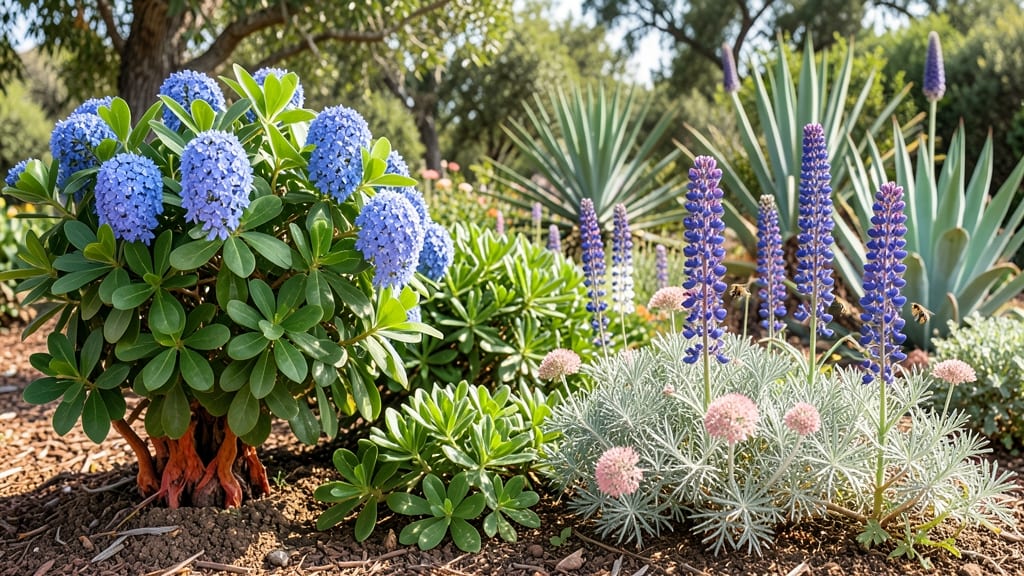
San Diego's garden zone covers USDA Hardiness Zones 9b through 11, with coastal areas typically falling in 9b-10a and inland valleys reaching up to Zone 11. The region's dramatic microclimates—shaped by ocean breezes, elevation changes, and urban heat pockets—demand careful plant selection and seasonal timing for thriving gardens.
San Diego's coastal areas experience cooler temperatures and higher humidity due to Pacific breezes, while inland valleys can hit 110°F+ in summer. 🌵 These variations mean a plant that thrives in La Jolla's Zone 10a might struggle in Chula Vista's Zone 11 heat.
I always recommend checking local frost dates—coastal areas rarely drop below 30°F, while inland spots can see light freezes. For example, citrus trees flourish in coastal gardens but need winter protection in inland microclimates.
Understanding these differences helps you choose the right plants for your specific location. Coastal gardens benefit from shade-tolerant varieties like fuchsias and camellias, while inland areas thrive with drought-resistant bougainvillea and succulents. The key is matching your garden's microclimate to the plants' natural growing conditions.
💡 In This Article
- Understanding San Diego’s Unique Plant Hardiness Variations
- Microclimate-Specific Plant Selection Guide for San Diego Gardens
Understanding San Diego’s unique plant hardiness variations
San Diego's hardiness zones reflect a dramatic temperature gradient shaped by geography. Coastal areas like La Jolla and Del Mar typically fall in USDA Zone 10a, where winter lows rarely drop below 30°F and summer highs stay around 75°F.
Just 20 miles inland, cities like Chula Vista and El Cajon reach Zone 11, where summer temperatures can exceed 105°F and frost is virtually unknown. The ocean acts as a massive heat sink, moderating coastal temperatures while inland areas bake under the sun's direct rays.
The elevation plays a crucial role too. Areas like Mount Laguna at 6,000 feet experience cooler nights (40-50°F) and can see light frost, creating a Zone 9b microclimate despite being just 30 miles from Zone 11 valleys.
This elevation shift happens rapidly—traveling 1,000 feet upward can drop temperatures by 3.5°F on average. The result? A single hillside might contain three distinct hardiness zones within a mile's radius!
Seasonal shifts add another layer of complexity. Coastal fog, which rolls in during summer afternoons, can drop temperatures 10-15°F in minutes, creating temporary Zone 9b conditions even in Zone 10a areas. Meanwhile, inland urban heat islands push summer temps 5-10°F higher than rural areas.
These rapid fluctuations mean some plants that handle coastal conditions may wilt in inland heat, while others that thrive inland might suffer from coastal humidity and fungal diseases.
Frost risk varies dramatically too. Coastal areas rarely see frost, while inland valleys might experience 2-3 frost nights per year, typically between December and February. The 1990 freeze that devastated citrus groves in inland areas (where temps dropped to 24°F) had minimal impact on coastal gardens.
This frost pattern explains why citrus trees flourish in Zone 10a coastal gardens but require winter protection in Zone 11 inland microclimates.
Even within Zone 10a, microclimates create surprises. A north-facing slope in Carlsbad might experience 5°F cooler winter nights than a south-facing yard just blocks away. These local variations mean gardeners should observe their specific yard's conditions for 3-5 years before making final plant selections.
For example, olive trees thrive in coastal Zone 10a but may struggle in inland Zone 11 heat without proper irrigation.
The science behind these variations involves adiabatic cooling (temperature drops with elevation), specific heat capacity of water (ocean's temperature-stabilizing effect), and urban heat island effect (concrete and asphalt absorbing heat).
Understanding these mechanisms helps explain why a bougainvillea might thrive in Chula Vista but struggle in Encinitas—it's not just about the zone number, but the specific environmental conditions within that zone.