
Tools
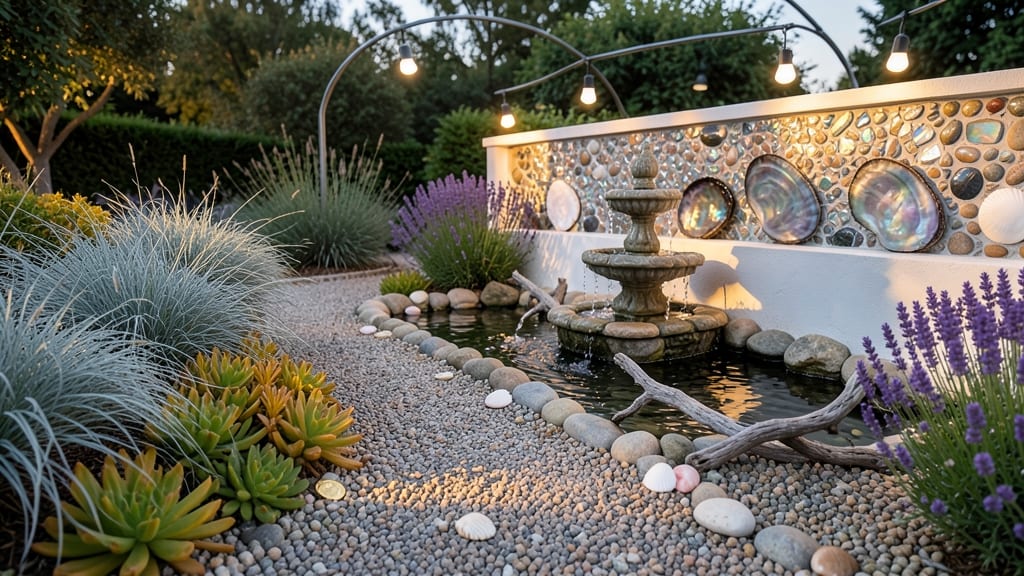
Using seashells in your garden can improve soil drainage, supply essential calcium, and add decorative charm, though excessive use might alter soil chemistry or attract unwanted pests.
Seashells bring more than just visual appeal—they act as natural soil amendments by slowly releasing calcium carbonate, which helps neutralize acidic soils. 🌿 Crushed shells also break down over time, creating tiny air pockets that improve drainage and root health.
However, their effectiveness depends on proper placement; too many shells in one area can create an uneven pH balance or even become a magnet for slugs and snails. I’ve found that spreading them thinly as mulch or lining pathways works best for both aesthetics and plant health.
For decorative purposes, smooth shells create elegant borders or stepping stones, while crushed varieties blend seamlessly into garden beds. The key is moderation—using them as accents rather than bulk additions. This way, you get the benefits without the risks of over-salination or pest infestations.
💡 In This Article
- How Seashells Improve Garden Soil and Drainage
- Creative and Safe Ways to Use Seashells in Landscaping
How seashells improve garden soil and drainage
Seashells primarily benefit garden soil through their calcium carbonate content, which acts as a natural soil amendment. When crushed, shells slowly dissolve in acidic soils, releasing calcium and magnesium ions that raise the pH level.
This is especially helpful for plants like blueberries or azaleas that thrive in slightly acidic conditions (pH 4.5-5.5). A 1-inch layer of crushed shells can raise soil pH by approximately 0.5-1.0 units over time, depending on soil composition and moisture levels.
The physical structure of crushed shells also transforms soil texture by creating tiny air pockets. These pockets improve drainage by allowing excess water to flow through the soil more efficiently, preventing waterlogging that can suffocate plant roots.
For example, in clay-heavy soils where water drains poorly, adding crushed shells can reduce compaction by up to 30% while promoting beneficial microbial activity. 🌱 The shells' porous nature mimics the effect of perlite or coarse sand, but with the added bonus of long-term nutrient release.
However, the breakdown process isn't instantaneous. Shells decompose at different rates based on their thickness and mineral composition. Thin, powdery shells dissolve within 6-12 months, while thicker shells may take 2-3 years to fully integrate. Over time, this gradual decomposition prevents sudden pH shifts that could harm sensitive plants.
The key is to monitor soil pH annually with a test kit and adjust shell application accordingly—too much too soon can create alkaline conditions harmful to acid-loving plants.
Microbial life also benefits from shell additions. The calcium carbonate provides essential minerals for beneficial bacteria and fungi, which in turn improve nutrient cycling. Studies show that gardens amended with crushed shells often exhibit 15-20% more beneficial microbial populations compared to unamended soils.
This microbial boost enhances root growth and disease resistance, creating a more resilient garden ecosystem. The trade-off? Shells can sometimes attract calcium-loving pests like slugs and snails, which thrive in the slightly alkaline microclimates created by shell decomposition.
For best results, combine shells with organic matter like compost. This creates a balanced soil structure where shells improve drainage while compost provides essential organic nutrients. I've found that mixing 20% crushed shells with 80% compost creates an ideal growing medium for vegetables and herbs.
The shells prevent compaction, while the compost feeds microbial life, creating a self-sustaining soil improvement cycle.
One common misconception is that all shells work equally. Oyster shells, for instance, contain higher calcium levels than clam or scallop shells, making them more effective for rapid pH adjustment.
Always rinse shells thoroughly before use to remove salt deposits that could harm plants. 💫 The salt content in unwashed shells can create localized soil salinity problems, particularly in container gardens where drainage is limited.