
Tools
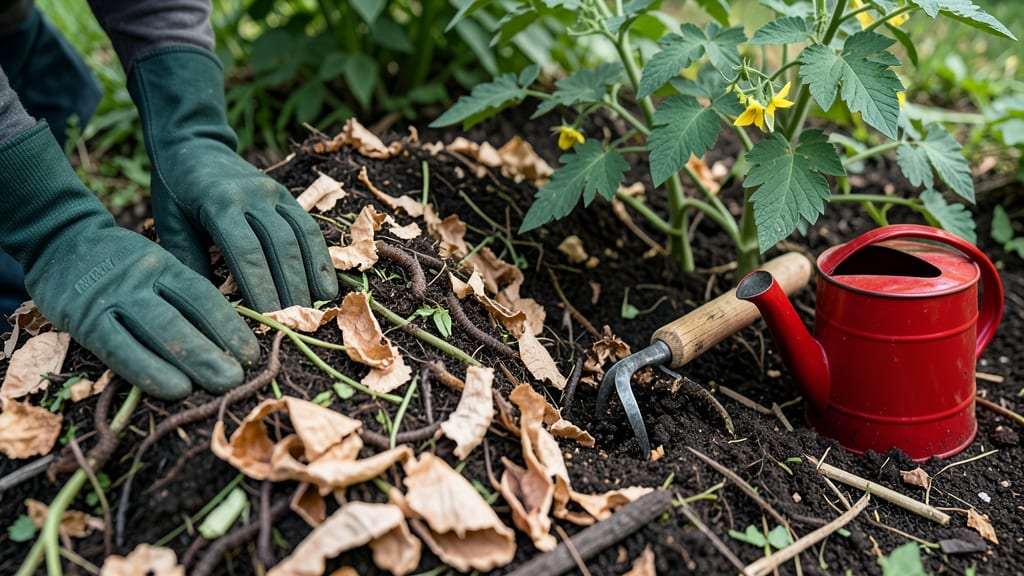
Using shredded paper in the garden as mulch or compost enriches soil with carbon while suppressing weeds, but avoid glossy or colored paper, which may contain harmful chemicals or ink toxins for plants. Stick to plain, uncoated paper for safety.
Shredded paper works wonders in the garden by breaking down slowly to add organic matter, which improves soil aeration and moisture retention. 🌱 Unlike synthetic mulches, it decomposes naturally, feeding beneficial microbes while preventing weed growth.
I've found that newspaper and plain printer paper are my go-to choices—they decompose cleanly without leaving behind toxic residues. Just make sure to shred it finely for even distribution and faster breakdown.
For best results, apply a 2-3 inch layer around plants, keeping it away from stems to prevent moisture buildup. This method is especially useful for vegetable gardens and flower beds where maintaining healthy soil structure is key.
The carbon-rich material helps balance nitrogen levels, creating an ideal environment for root development.
💡 In This Article
- How Shredded Paper Benefits Soil and Plant Growth
- Safe vs. Unsafe Paper Types for Garden Use
How shredded paper benefits soil and plant growth
Shredded paper acts as a slow-release carbon source when it decomposes, which is crucial for soil health. When buried or layered in the garden, it breaks down through microbial activity, adding organic matter that improves soil structure.
This process increases porosity, allowing roots to penetrate more easily and water to drain efficiently. Unlike synthetic mulches like plastic, which block airflow and create compacted soil, paper mulch mimics natural leaf litter, promoting a loose, crumbly texture ideal for root growth.
The carbon-to-nitrogen (C:N) ratio of paper is typically around 100:1, which is perfect for feeding beneficial microbes that decompose it. These microbes release enzymes that break down cellulose fibers into simpler compounds, creating a nutrient-rich environment.
Over time, this process enhances soil fertility by increasing microbial biomass and improving nutrient cycling. For example, a 2-3 inch layer of shredded paper can take 3-6 months to fully decompose, depending on moisture and temperature, gradually releasing nutrients without overwhelming plants.
One of the most noticeable benefits is weed suppression. The thick layer of shredded paper blocks sunlight from reaching weed seeds, preventing germination while allowing moisture to penetrate the soil.
Unlike plastic mulch, which can trap heat and harm beneficial soil organisms, paper mulch stays cool and encourages beneficial fungi and bacteria. This dual action—suppressing weeds while feeding soil life—makes it a sustainable choice for organic gardens.
For container plants or small garden beds, shredded paper can also act as a moisture-retaining mulch. It absorbs and slowly releases water, reducing evaporation and keeping roots consistently hydrated.
I’ve observed that plants grown with paper mulch show stronger root systems and better resistance to drought compared to those with bare soil or synthetic covers. The key is to keep the layer loose and aerated, avoiding compaction that could hinder water infiltration.
Another advantage is its versatility. Unlike heavy organic mulches like straw, which can harbor pests or diseases, paper mulch is lightweight and easy to apply. It’s especially useful in urban gardens where space is limited, as it can be layered directly over soil or mixed into compost piles.
When combined with nitrogen-rich materials like grass clippings or manure, it creates a balanced decomposition environment that accelerates nutrient release.
For those concerned about aesthetics, shredded paper blends naturally into garden beds, especially when mixed with wood chips or leaves. Over time, it darkens and becomes indistinguishable from natural mulch, making it a discreet yet effective option for both functional and decorative gardening.