
Tools
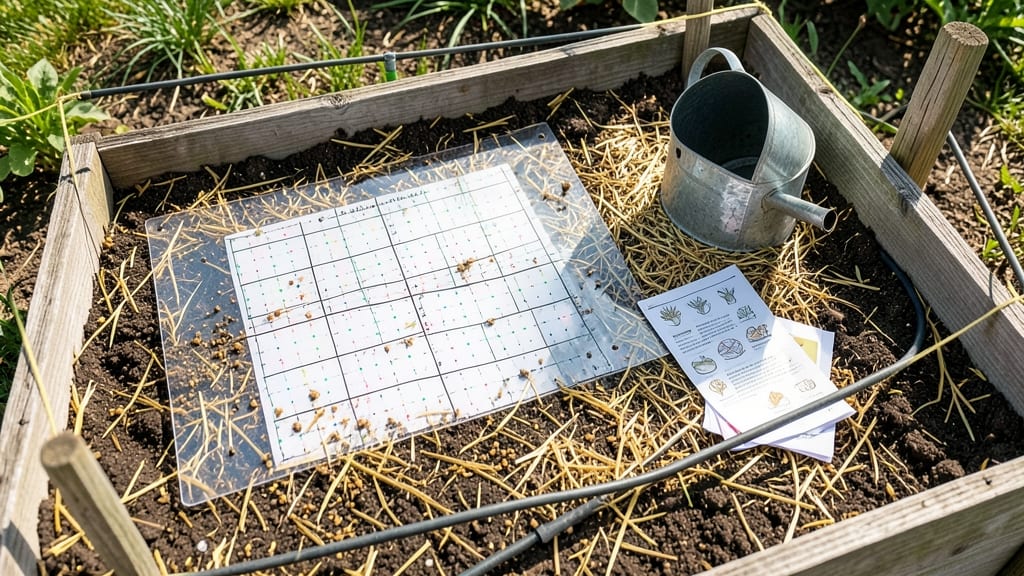
Square foot gardening plans maximize small spaces by dividing beds into 1-foot squares, each planted with high-density crops like 16 carrots, 9 onions, or 1 tomato plant per square. This method boosts yield while minimizing waste and weeds through careful spacing and soil enrichment.
This space-efficient gardening system, developed by Mel Bartholomew, transforms even tiny yards or balconies into productive growing areas. 🌱 The key lies in the grid layout—each square accommodates the exact number of plants needed for their mature size, preventing overcrowding while maximizing every inch.
For example, leafy greens like lettuce can fit 16 plants per square, while larger crops like tomatoes get their own dedicated space. The soil mix (typically 1/3 compost, 1/3 peat moss, and 1/3 vermiculite) ensures optimal drainage and nutrient retention, which is crucial for high-density planting.
What makes this method particularly effective is how it reduces competition for resources. Plants with similar water and nutrient needs are grouped together, and companion planting principles are naturally integrated. For instance, placing basil near tomatoes can deter pests while improving flavor.
The grid system also simplifies maintenance—you can easily rotate crops yearly to prevent soil depletion and keep weeds at bay.
💡 In This Article
- How Square Foot Gardening Optimizes Plant Spacing and Soil
- Step-by-Step Guide to Designing Your Square Foot Garden Layout
How square foot gardening optimizes plant spacing and soil
The square foot gardening system revolutionizes space efficiency by treating each 1-foot square as an independent growing unit. Mel Bartholomew's design eliminates traditional row spacing, which wastes up to 50% of garden space.
Instead, plants are arranged based on their mature size—leafy greens like spinach occupy 16 plants per square, while root crops such as carrots fit 16 plants but require deeper soil. This precision prevents overcrowding, which triggers nutrient competition and disease spread.
The grid system also creates natural pathways between squares, making it easier to access plants without trampling soil.
The soil mix is the secret weapon behind this method's success. Bartholomew's recommended blend—one-third compost, one-third peat moss, and one-third vermiculite—creates an ideal growing medium. Compost provides essential nutrients, peat moss retains moisture, and vermiculite improves aeration.
This combination supports root development while preventing compaction, which is critical when planting at high densities. For example, a square planted with 9 onions will thrive because the soil remains loose enough for bulb expansion, unlike heavy clay soil where roots struggle to penetrate.
Companion planting is woven into the system's fabric. By grouping plants with similar needs, you create micro-ecosystems that enhance growth. For instance, placing basil near tomatoes not only repels pests but also improves tomato flavor through natural chemical interactions.
The grid layout makes it easy to implement these pairings without complex planning. This approach also minimizes water waste—since plants in the same square have comparable moisture requirements, irrigation is more efficient. Unlike traditional gardens where water runs off between rows, square foot gardens retain moisture precisely where it's needed.
Root zone science plays a crucial role in this method's effectiveness. Most vegetables have shallow root systems that spread horizontally rather than vertically. For example, lettuce roots typically grow 6-12 inches deep but spread 12-18 inches wide.
The 1-foot square perfectly matches this growth pattern, preventing root competition. In contrast, deep-rooted plants like carrots (12-16 inches deep) get their own dedicated squares to avoid stunted growth from competing with shallower-rooted neighbors.
Weed suppression is another significant advantage. The dense planting creates natural shade that inhibits weed seeds from germinating. In traditional gardens, weeds often thrive in the open spaces between rows. Here, the close spacing of plants blocks sunlight, creating a self-mulching effect.
This reduces the need for synthetic mulches while maintaining soil moisture. The grid system also makes weeding faster—you can target specific squares rather than battling weeds across entire beds.
One often-overlooked benefit is the system's adaptability to different growing conditions. For shade-tolerant plants like lettuce or spinach, you can dedicate entire sections to low-light squares. Conversely, sun-loving crops like peppers or tomatoes get their own high-exposure areas.
This flexibility allows gardeners to maximize their space regardless of sunlight limitations. The key is understanding each plant's light requirements and arranging them accordingly within the grid.