
Tools
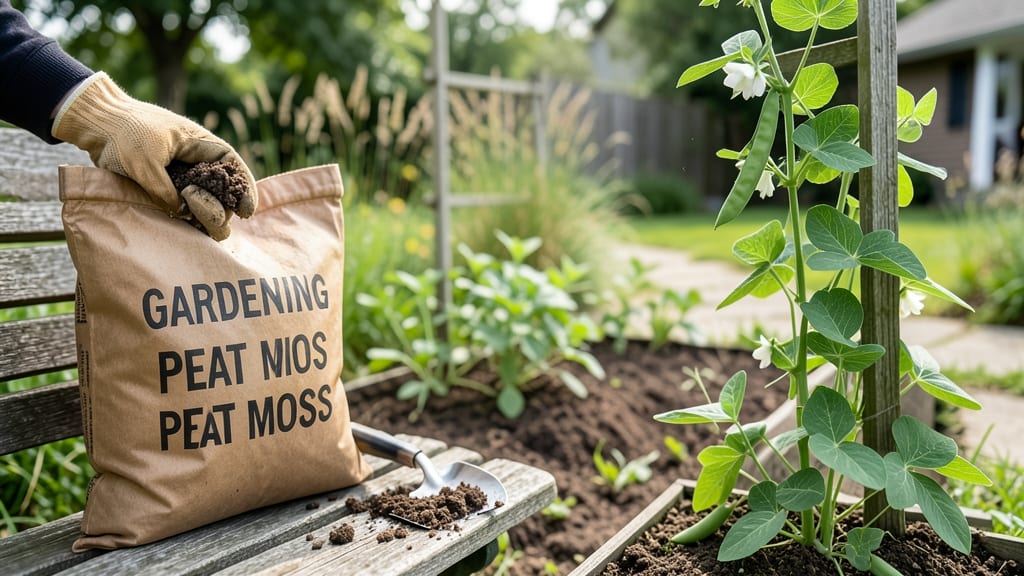
The uses for peat moss in the garden make it a powerful soil amendment that improves drainage, creates acidic conditions perfect for acid-loving plants, and helps moisture retention for delicate root systems. It's especially valuable for blueberries, azaleas, and rhododendrons while also preventing compaction and aiding seed germination.
The uses for peat moss in the garden work its magic through its unique composition—about 90% organic matter that holds water like a sponge while still allowing excess to drain. 🌱 The reason it's so effective for acid-loving plants is its ability to lower soil pH naturally, creating the ideal environment for crops like blueberries that need that tangy soil chemistry.
I've found it particularly helpful when mixing with compost to create well-aerated, nutrient-rich beds that prevent that dreaded compacted soil feeling.
Beyond acidification, peat moss acts as a natural soil conditioner that improves structure whether you're working with heavy clay or sandy soil. The key is using it in the right proportions—typically 20-30% of your planting mix—so you get all the benefits without overwhelming your plants.
For container gardening, I often blend it with perlite and compost to create the perfect lightweight medium that retains moisture while preventing root rot.
💡 In This Article
- How Peat Moss Enhances Soil Chemistry and Plant Growth
- Practical Ways to Use Peat Moss in Your Garden Layout
How peat moss enhances soil chemistry and plant growth
Peat moss works its magic primarily through its ability to acidify soil—its natural pH ranges between 3.5 and 4.5, making it perfect for plants that thrive in acidic conditions like blueberries, azaleas, and rhododendrons.
The science behind this lies in its high humic acid content, which releases hydrogen ions into the soil, gradually lowering the pH over time.
For example, blueberries need soil pH between 4.5 and 5.5, and peat moss helps maintain this range without harsh chemical amendments. 🌿 Unlike lime, which raises pH, peat moss adjusts soil chemistry organically while adding beneficial organic matter.
The moisture retention power of peat moss comes from its unique fibrous structure, which can hold up to 20 times its weight in water while still allowing excess to drain.
This sponge-like quality prevents drought stress in plants by keeping roots consistently hydrated, even in sandy soils where water drains too quickly. I've noticed this is especially valuable for seedlings and container plants, where moisture fluctuations can be deadly.
The secret lies in its hydrophobic surface—water clings to the fibers through capillary action, releasing it slowly to roots as needed.
Peat moss also acts as a nutrient buffer by binding essential minerals like nitrogen, phosphorus, and potassium, releasing them gradually to plants. This slow-release mechanism prevents nutrient runoff and ensures steady growth, particularly for acid-loving plants that might otherwise suffer from nutrient lockout in alkaline soils.
For instance, when growing hydrangeas (which change color based on soil pH), adding peat moss not only acidifies the soil but also creates an ideal environment for their root systems to access nutrients efficiently. 🌸
One often overlooked benefit is how peat moss improves soil aeration. Its fibrous texture creates pockets of air between soil particles, preventing compaction—a common problem in heavy clay soils.
I've seen dramatic improvements in root development when amending compacted garden beds with peat moss, as roots can spread more easily in the looser, well-aerated mix. This is particularly helpful for shallow-rooted plants like strawberries or ornamental grasses that struggle in dense soils.
However, peat moss isn't a one-size-fits-all solution. While it excels for acid-loving plants, it can be overkill for vegetables like tomatoes or peppers that prefer slightly acidic to neutral soil (pH 6.0-7.0). The key is testing your soil first—most garden centers offer simple pH test kits.
For neutral-soil plants, you might blend peat moss with compost or wood ash to balance the acidity while still gaining its moisture-retention benefits. This thoughtful approach ensures you're using peat moss as a targeted amendment rather than a universal fix.
Consider this comparison: A 10-gallon container mix for blueberries might contain 50% peat moss, 30% compost, and 20% perlite for optimal drainage and acidity.
For tomatoes in the same container, you'd reduce the peat moss to 20% and increase compost to 50% while adding limestone to neutralize the pH. These ratios highlight how peat moss's benefits can be tailored to specific plant needs through careful blending. 🌱