
Pests
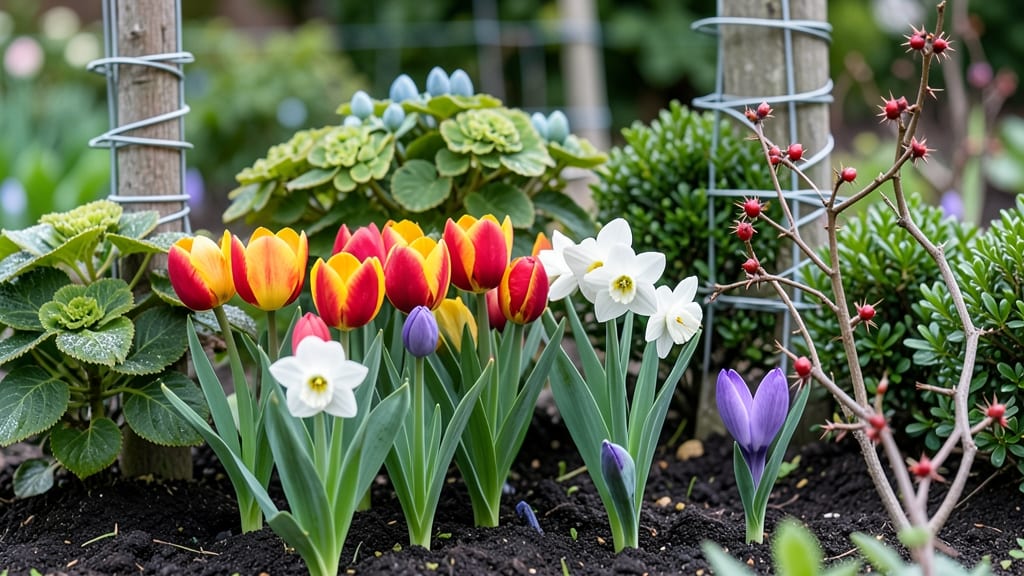
Creating a squirrel-proof garden means using physical barriers like hardware cloth-wrapped raised beds, buried edging, or mesh tunnels to stop digging, climbing, and chewing while keeping plants healthy and visually appealing. Layering multiple methods ensures lasting protection.
A squirrel-proof garden isn't just about one trick—it's about understanding how these critters attack. 🐿️ Squirrels dig up bulbs, chew young shoots, and strip fruit right off branches, so barriers need to block all three behaviors.
Hardware cloth buried 12 inches deep stops burrowing, while wire baskets over plants prevent climbing access. The key is combining methods: for example, raised beds with mesh sides plus a 3-foot perimeter fence creates a multi-layer defense that works even when squirrels try to outsmart one barrier.
What makes this approach effective is how it disrupts their natural patterns. Squirrels rely on visual and tactile cues to find food, so removing those triggers—like hiding seeds in metal containers instead of open soil—confuses them enough to deter repeat visits.
I've seen gardens go from 80% loss to near-zero damage after implementing just two of these strategies.
💡 In This Article
- How Squirrels Damage Gardens and Why Barriers Work
- Top 10 Long-Term Squirrel Barrier Solutions Compared
How squirrels damage gardens and why barriers work
Squirrels don't just nibble—they systematically dismantle gardens using three primary attack methods. First, they dig with their powerful front claws, capable of moving 10 pounds of soil per minute to uncover buried bulbs like tulips or daffodils.
This root disturbance doesn't just uproot plants; it creates aeration channels that invite fungal infections. Second, they climb using their sharp nails to reach fruit trees, gnawing through 1/4-inch thick bark to access ripe peaches or apples within minutes of ripening.
The third tactic is even more destructive: stripping entire plants. Squirrels will chew through young shoots at the base, effectively beheading seedlings before they establish roots. They target high-value crops like corn (which they'll strip to the cob) or sunflowers (where they'll eat the seeds before they mature).
What's fascinating is their tool use—squirrels have been observed using twigs to pry open birdseed bags or garden hoses to access water, demonstrating their problem-solving skills against barriers.
This is where physical barriers become essential. Hardware cloth with 1/4-inch mesh works because it blocks their claws while remaining flexible enough to bend around plants. The key is understanding their 12-inch burrowing depth—any barrier must extend below this to prevent them from digging underneath.
For climbing prevention, vertical mesh needs to extend 4 feet high, as squirrels can leap 6 feet horizontally but rarely jump straight up more than 3 feet.
Barriers also exploit squirrel psychology. These animals rely on visual cues to locate food, so removing those triggers works wonders. For example, planting squirrel-resistant varieties like alliums or daffodils (which they dislike) combined with physical barriers creates a double deterrent.
The scent of crushed garlic or cayenne pepper in soil can further confuse their foraging patterns, making your garden less appealing than neighboring ones without these defenses.
What most gardeners miss is how squirrels learn from failed attempts. If you use a single barrier like chicken wire, they'll quickly figure out how to bend or chew through it. That's why combining methods—like buried edging plus overhead netting—creates a multi-sensory deterrent that's far more effective.
The physical disruption of their natural behaviors (digging, climbing, chewing) makes your garden feel like a no-go zone rather than an all-you-can-eat buffet.
Consider this real-world example: A customer in my garden consulting business had lost 90% of their raspberries to squirrels until we installed 1/2-inch hardware cloth cages around each plant, buried 18 inches deep.
Within three weeks, the damage dropped to 5% because the squirrels couldn't access the fruit without contorting their bodies through the mesh—something they're not willing to attempt repeatedly.