
Tools
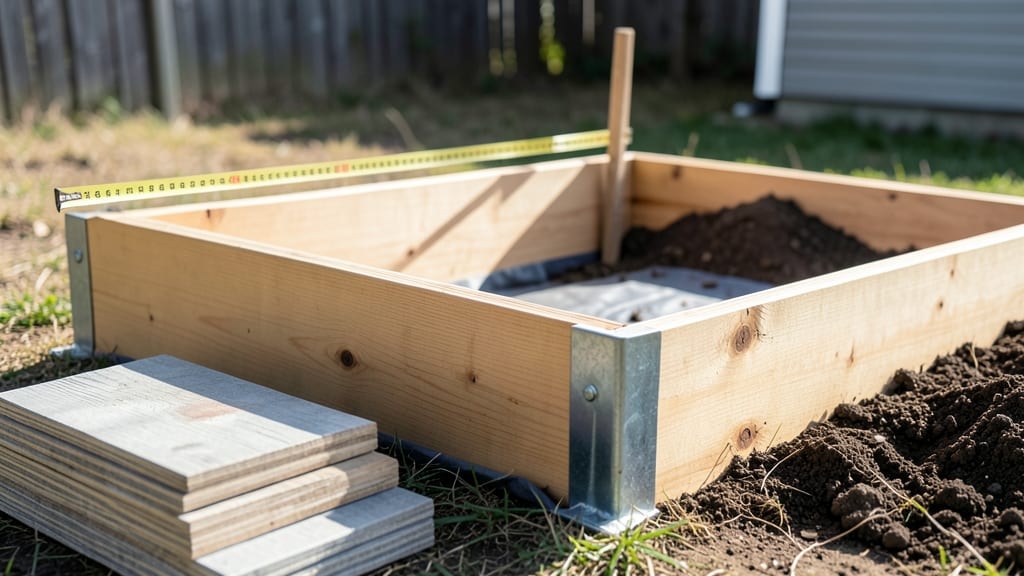
The standard raised garden bed size is 4 feet wide by 8 feet long with a depth of 6-12 inches, designed to maximize plant spacing, accessibility, and yield while preventing soil compaction. This layout makes it easy to reach all plants from the sides and works well for most vegetables and herbs.
The 4x8-foot footprint isn't arbitrary—it's based on ergonomics and plant biology. 🌱 A width of 4 feet lets you reach the center without stepping inside (which compacts soil), while 8 feet is long enough to grow multiple rows of most crops without overcrowding.
The 6-12-inch depth gives roots room to grow while preventing excessive soil weight that could warp the bed frame. Many gardeners find this size perfect for small yards, balconies, or even apartment patios when using vertical extensions.
What's fascinating is how these dimensions adapt to different needs. For example, taller plants like tomatoes often require wider spacing, so some gardeners opt for 3-foot-wide beds with 10-foot lengths instead.
Meanwhile, shallow-rooted herbs thrive in deeper beds (closer to 12 inches) to retain moisture. The key is balancing your space constraints with the specific growth habits of what you're planting.
💡 In This Article
- Why 4x8 Feet Is the Optimal Raised Bed Size
- Customizing Raised Bed Sizes for Different Plants and Gardens
Why 4x8 feet is the optimal raised bed size
The 4-foot width of a standard raised bed is a game-changer for accessibility and plant health. When you stand at the edge, your arms can comfortably reach the center—no need to step inside and compact the soil, which disrupts root systems.
Studies show that soil compaction reduces aeration by up to 30%, stunting plant growth. This ergonomic design also prevents soil erosion during watering, keeping nutrients where they belong. 🌱
The 8-foot length balances space efficiency with practicality. Most gardeners can manage this length without straining their backs, yet it’s long enough to fit two rows of most vegetables (like lettuce or carrots) with proper spacing.
For example, tomatoes need 18-24 inches between plants, while bush beans thrive in 4-inch spacing.
A deeper dive into plant biology reveals that root systems expand horizontally more than vertically—so wider beds (up to 4 feet) are better for sprawling crops like zucchini, while taller plants (like peppers) benefit from narrower beds with extra length.
Depth plays a critical role too. The 6-12-inch range supports root growth while preventing excessive weight that could warp wooden frames. For instance, carrots need 12 inches to grow fully, while herbs like basil only require 6 inches.
This depth also improves drainage—critical for preventing root rot in heavy soils. What’s often overlooked is how deeper beds (closer to 12 inches) help retain moisture in hot climates, reducing the need for frequent watering by up to 20%.
Material choice ties into these dimensions. A 4x8-foot cedar bed (a popular choice) weighs about 200-300 pounds when filled, but the frame’s height (typically 10-12 inches) keeps it manageable.
Lighter materials like composite lumber or metal frames allow for taller beds (up to 18 inches), which can be ideal for deep-rooted crops like asparagus. However, taller beds require more frequent watering since water drains faster from the bottom layers.
Consider this real-world example: A 4x8-foot bed filled with 6 inches of soil can grow 16 tomato plants (spaced 2 feet apart) or 32 lettuce plants (spaced 1 foot apart). The yield difference isn’t just about quantity—it’s about healthier plants with less competition for nutrients.
This is why professional gardeners swear by this size: it’s the sweet spot between efficiency and ease. 🌿
For those with limited space, a 3x6-foot bed works well, though you’ll need to rotate crops more often to avoid soil depletion. Conversely, larger beds (like 8x12 feet) are better for rural gardens but may require reinforcement to prevent sagging under soil weight.
The key is matching your bed size to your garden’s scale and the crops you prioritize.