
Landscaping
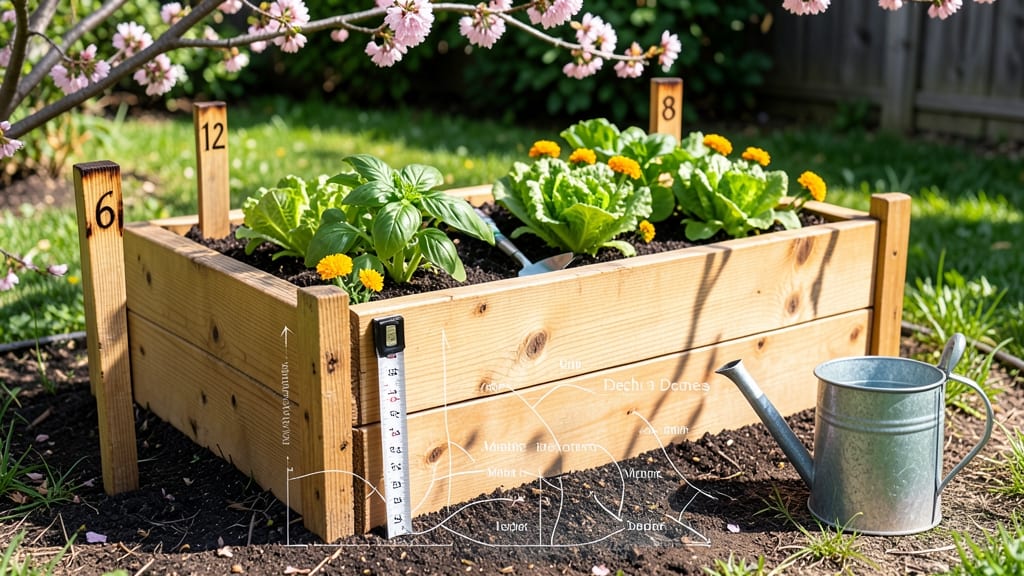
The ideal raised garden bed height is a game-changer for your plants—too low and roots struggle for space, too high and drainage becomes a nightmare.
If you’ve ever watched your tomatoes sprawl over the edge or your herbs wilt from soggy soil, you know how much height matters. The right dimensions aren’t just about aesthetics; they’re about giving roots room to breathe, keeping moisture balanced, and even making gardening easier on your back.
Most experts recommend a standard height of 6 to 12 inches for vegetables, but deep-rooted crops like potatoes or asparagus need taller beds—sometimes up to 2 feet. Meanwhile, shorter beds (4–6 inches) work for herbs and shallow-rooted plants, though they may require more frequent watering.
In this guide, I’ll break down the science behind optimal heights, how to adjust for your climate, and whether taller beds are worth the extra effort—or if you’re better off sticking to the basics.

Standard raised garden bed height: what experts recommend for root space
Choosing the right raised garden bed height is one of the first decisions that impacts your harvest. Most experts recommend a standard height between 6 and 12 inches—this range balances root space, drainage, and gardener accessibility.
However, the ideal height depends on what you're growing and your specific needs. For example, shallow-rooted plants like lettuce or herbs thrive in beds just 6 inches deep, while deep-rooted crops such as asparagus or carrots need 12+ inches of soil.
Beyond plant requirements, bed height affects soil volume and water retention. A taller bed (like 18–24 inches) holds more soil, reducing the need for frequent watering but requiring extra materials.
Meanwhile, shorter beds (6 inches) are easier to maintain but limit your plant choices. Let’s break down the science-backed recommendations for optimizing your bed’s height based on your goals.
🌱 Key Insight: The 6–12 inch range is the sweet spot for most gardeners, but customization is key for specialized needs like wheelchair accessibility or container gardening.
A 6–8 inch bed is perfect if you’re growing shallow-rooted plants like lettuce or radishes. These beds are lightweight, easy to fill with soil, and require less material. However, they limit your options for deeper crops.
For most vegetable gardens, a 10–12 inch height is the gold standard—it accommodates tomatoes, peppers, and carrots while keeping maintenance manageable.
If you’re planning for deep-rooted crops like asparagus or potatoes, aim for 18–24 inches. This depth mimics in-ground conditions and prevents roots from hitting the bed’s bottom.
Just remember: taller beds need sturdier materials (like cedar or metal frames) to avoid warping or collapsing under the weight of wet soil.
For gardeners with mobility challenges, a 24–30 inch bed is ideal. The extra height reduces bending and strain, making gardening more comfortable. Plus, deeper beds help in heavy-soil regions by preventing roots from becoming waterlogged or compacted.
One often-overlooked factor is soil volume. A taller bed holds more soil, which means better moisture retention and fewer weeds. However, filling a 24-inch bed requires 3 cubic feet of soil per square foot—that’s a lot of hauling!
Mixing in compost or aged manure can lighten the load while enriching the soil.
Pro tip: If you’re unsure about height, start with a 12-inch bed. It’s versatile enough for most vegetables and can be extended later if needed. Just add a second layer of lumber or use interlocking bed boards for easy expansion.
🌿 Remember: The best height is the one that works for your plants, your body, and your climate. Don’t be afraid to experiment—many gardeners start with a 6-inch bed and add height as their needs evolve.
How raised garden bed height affects drainage & soil quality
Your raised garden bed’s height isn’t just about aesthetics—it directly impacts how well your plants thrive. Too shallow, and roots struggle for space; too tall, and you risk poor drainage or uneven soil moisture.
The right height balances water retention, root depth, and soil temperature for optimal plant health. Let’s break down how height influences these critical factors and how to troubleshoot common issues.
Most gardeners assume taller beds always mean better drainage, but that’s not always true. A bed that’s too high (over 12 inches) can create pockets where water pools, while shallow beds (under 6 inches) may dry out too quickly.
The ideal height depends on your climate, soil type, and the plants you’re growing. For example, carrots and potatoes need deeper beds (10–12 inches), while herbs like basil thrive in shallower setups (6–8 inches).
🚨 WARNING: Common Drainage Pitfalls in Raised Beds
⚠️ Height Mistakes That Ruin Drainage
- No bottom liner: Without hardware cloth or landscape fabric, soil erodes into the ground, clogging drainage holes.
- Compacted soil: Filling beds with heavy clay or unamended soil creates waterlogged zones, even in tall beds.
- Over-mulching: Thick mulch layers (over 3 inches) can suffocate roots and trap excess moisture.
💡 Fix it: Use gravel or sand at the bottom for drainage, mix in compost for aeration, and keep mulch to 2 inches.
Soil temperature is another hidden benefit of bed height. Taller beds (10–12 inches) warm up faster in spring because they’re elevated above cool ground soil. This gives a 2–3 week head start for cool-season crops like lettuce or peas.
However, in hot climates, taller beds can overheat surface soil. To mitigate this, add a 2-inch layer of straw mulch to retain moisture and regulate temperature.
If your raised bed stays soggy after rain, the issue might be nutrient leaching. Waterlogged soil washes away essential minerals like nitrogen and potassium, leaving plants stunted. To test drainage, fill a hole in the bed with water—if it drains in under an hour, your bed is fine.
If not, add perforated drainage pipes or mix in coarse sand to improve airflow. For nutrient recovery, top-dress with composted manure or a balanced fertilizer every 4–6 weeks.
For gardeners in high-rainfall areas, consider building beds with sloped sides (1–2 degrees) to encourage runoff. This simple design tweak prevents water from pooling at the center, where roots are most concentrated.
Pair this with a drip irrigation system to deliver water slowly at the soil surface, reducing erosion risks. Even a 6-inch-tall bed can benefit from these adjustments if your local climate is particularly wet.
Remember, the best bed height isn’t one-size-fits-all. Start with a 6–12 inch standard, then adjust based on your observations. Monitor soil moisture with a moisture meter, and amend your soil annually with organic matter to maintain structure.
With the right height and care, your raised bed will become a self-regulating ecosystem where plants flourish year after year. 🌱