
Tools
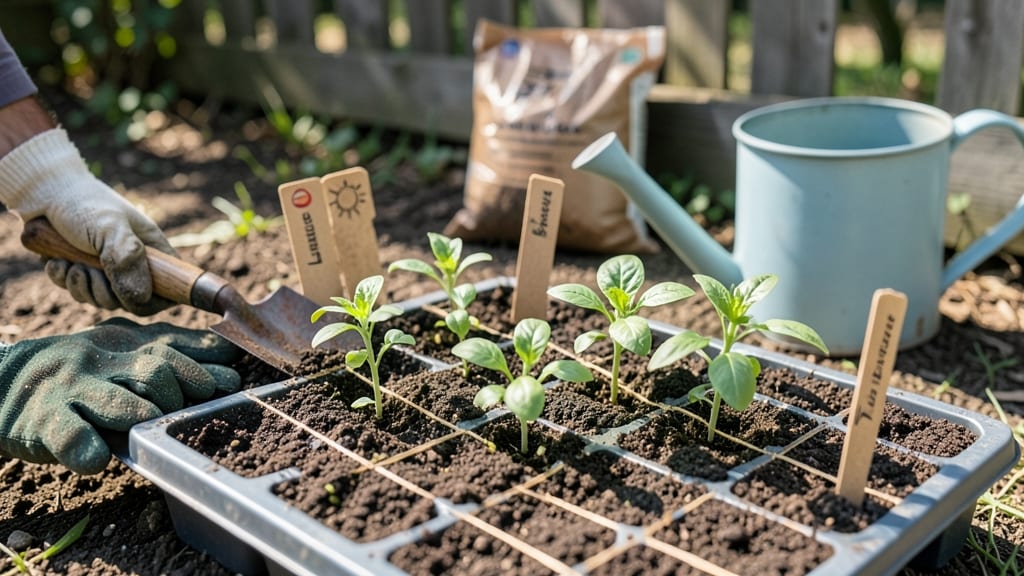
Taking the right steps for gardening can turn a patch of dirt into a thriving oasis—even for total beginners.
Dreaming of a thriving garden but unsure where to start? Follow this step-by-step gardening timeline to transform your outdoor space—no green thumb required. Whether you’re planting flowers, veggies, or herbs, the key is breaking it down into manageable phases, from soil prep to harvest.
Most new gardeners hit snags because they skip the basics—like testing soil pH or spacing plants correctly. I’ll show you how to avoid those mistakes, plus when to water, fertilize, and protect your plants from pests. By the end, you’ll have a clear, month-by-month plan that works for your climate.
Ready to dig in? You’ll learn how to choose the right plants, time your planting perfectly, and keep your garden flourishing all season long—without the guesswork.
12 Essential steps for gardening beginners: month-by-month planning guide
Starting a garden can feel overwhelming, but breaking it down into monthly steps makes it manageable. Whether you're planting vegetables, flowers, or herbs, this timeline ensures you stay on track from soil prep to harvest.
I’ll walk you through each phase, including deadlines and seasonal tasks tailored for Zone 6a—adjust for your local climate as needed.
First, test your soil in early spring to check pH and nutrient levels. Most plants thrive in slightly acidic to neutral soil (6.0–7.0 pH). If your soil is too dense, mix in compost or organic matter to improve drainage and fertility.
This step is critical—skipping it can lead to poor plant growth or disease.
Next, plan your garden layout based on sunlight exposure. Group sun-loving plants (like tomatoes and peppers) together in the south-facing area, while shade-tolerant plants (such as lettuce or ferns) can go near structures or trees. Use stakes or labels to mark each plant’s location for easy maintenance.
Here’s a month-by-month breakdown of key tasks to keep your garden thriving:
| Month | Task | Deadline | Notes |
|---|---|---|---|
| January-February | Plan garden layout | Before March | Sketch design, note sunlight |
| March | Prep soil | Early March | Add compost, till soil |
| April | Start seeds indoors | Mid-April | Tomatoes, peppers, herbs |
| May | Transplant seedlings | After last frost | Hardening off first |
| June-July | Direct sow warm-season crops | June 15 | Corn, beans, cucumbers |
| August | Plant fall crops | Early August | Lettuce, spinach, kale |
| September | Fertilize for late growth | Mid-September | Use balanced 10-10-10 |
| October | Harvest remaining crops | Before first frost | Tomatoes, peppers, herbs |
| November | Clean up garden beds | End of month | Remove dead plants, add mulch |
| December | Plan next year’s garden | Before January | Review successes, note failures |
In April, harden off seedlings by gradually exposing them to outdoor conditions over 7–10 days. This process helps them adjust to sunlight, wind, and temperature fluctuations before transplanting. Use a shade cloth during the day and bring them indoors at night for the first few days.
By June, focus on mulching to retain moisture and suppress weeds. Apply 2–3 inches of organic mulch (like straw or wood chips) around plants, keeping it 2 inches away from stems to prevent rot. Mulch also regulates soil temperature, which is especially helpful during hot summer months.
As summer progresses, monitor for pests like aph
How to choose the right plants for your gardening timeline
Selecting the perfect plants for your garden isn’t just about aesthetics—it’s about matching your local climate, growing season, and even your patience level.
Fast-growing bush beans or radishes can give you rewards in as little as 30 days, while tomatoes or squash take 60-90 days to mature.
Understanding your frost dates (like my Zone 6a with last frost on April 15) helps determine when to plant cool-season crops like lettuce or warm-season favorites like peppers.
Start by identifying your garden’s sunlight exposure. A south-facing plot gets full sun (6+ hours), while shadier spots suit hostas or ferns. Check your USDA hardiness zone—it’s your gardening GPS!
For example, zucchini thrives in Zones 3-11 but needs warm soil to germinate. My Zone 6a lets me plant cool-season crops in early spring and warm-season crops after May 1.
| Plant Type | Growth Timeline | Best Planting Window | Frost Tolerance | Sunlight Needs |
|---|---|---|---|---|
| Fast-Growing Vegetables | 30-45 days | March-May, August-Sept | Moderate (some tolerate light frost) | Full sun (6+ hours) |
| Radishes, Bush Beans, Lettuce | 25-60 days | Early spring, late summer | High (cool-season crops) | Partial sun (4-6 hours) |
| Seasonal Crops | 60-90 days | May-June (after frost) | Low (sensitive to frost) | Full sun (6-8 hours) |
| Tomatoes, Peppers, Squash | 70-120 days | Late spring (soil >50°F) | None (warm-season crops) | Full sun (8+ hours) |
| Perennials | 1-3 years to mature | Spring or fall | Varies (check zone) | Partial to full sun |
| Lavender, Hostas, Daylilies | 2-3 years for full bloom | Early spring (Zone 6a) | Moderate (some hardy) | Partial shade (4 hours) |
Don’t overlook succession planting—it’s the secret to a non-stop harvest. After pulling carrots in June, I replant