
Tools
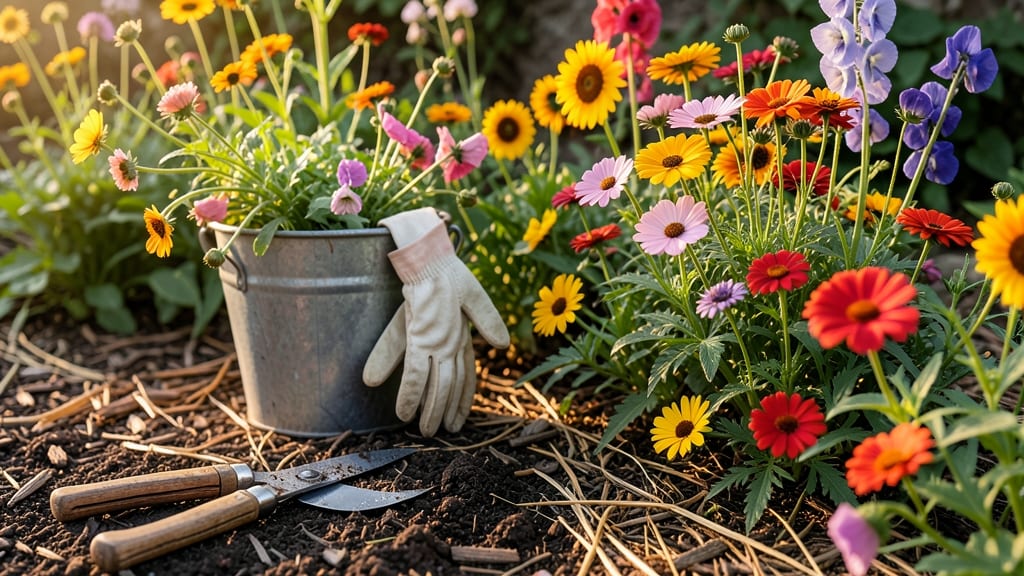
A cutting garden creates a lush, functional space by strategically layering plants with varying heights, bloom cycles, and fragrances—such as placing towering sunflowers behind spiky hollyhocks, interspersing lavender with roses for scent, and tucking thyme at the front—for abundant harvests and visual appeal. Focus on full sun exposure, well-draining soil, and staggered planting schedules to maintain year-round productivity.
A cutting garden isn't just about pretty flowers—it's a carefully curated ecosystem designed for both beauty and utility. 🌿 The key lies in creating visual depth through height variations (tall backdrops, mid-level bloomers, and low ground covers) while ensuring each plant supports the others.
For example, pairing cosmos with basil not only creates stunning color contrasts but also naturally repels pests, while dahlias and snapdragons extend your cutting season through complementary bloom times.
The magic happens when you think about how plants interact: fragrance layers (like mint or rosemary) can mask less pleasant odors, while pollinator-friendly flowers attract beneficial insects that boost your garden's health.
This approach transforms your garden into a self-sustaining harvest system where you can enjoy fresh blooms from early spring through late fall. The secret weapon? Seasonal succession planting—replacing spent spring bulbs with summer annuals and then transitioning to hardy perennials for winter interest.
With the right layout, you'll spend less time weeding and more time enjoying the fruits (and flowers) of your labor.
💡 In This Article
- Designing a Cutting Garden Layout for Maximum Harvest
- Best Plant Pairings for Long-Stemmed Blooms and Pollinator Support
Designing a cutting garden layout for maximum harvest
At the heart of a productive cutting garden is the three-tiered height system that mimics natural ecosystems. Start with back-row structural plants like sunflowers (reaching 4-7 feet) or hollyhocks (up to 5-6 feet) to create vertical interest and provide shade for shorter varieties.
These giants should receive 6-8 hours of direct sunlight daily—their broad leaves capture light efficiently through a process called light interception, which boosts overall garden productivity.
The middle layer features blooming workhorses such as dahlias (3-5 feet) or cosmos (2-3 feet), while the front edge hosts low-growing fillers like thyme (6-12 inches) or sweet alyssum (3-6 inches) to soften the garden's outline.
Spacing is where the science of regrowth comes into play. For example, dahlias need 18-24 inches between plants to develop strong stems—crowding them reduces airflow, increasing fungal risks like powdery mildew.
Meanwhile, cosmos can thrive with just 12 inches of space because their self-seeding nature creates dense clumps naturally. 🌱 The key is balancing cutting frequency with plant recovery:: if you harvest one-third of stems at a time, most perennials (like lavender) will rebound within 4-6 weeks, while annuals (like zinnias) may need replanting every 6-8 weeks for continuous blooms.
Fragrance layers add a functional dimension beyond aesthetics. Place strongly scented plants like rosemary or mint near seating areas to mask less pleasant garden odors (like compost piles) through aroma diffusion.
These plants also attract pollinators—bees prefer lavender's 1-2 foot high clusters because the dense flowers provide easy landing platforms. The fragrance strategy works best when you position scent emitters where breezes carry their aroma toward high-traffic areas, creating a natural perfume garden effect.
Seasonal transitions require strategic planning. Spring bulbs like tulips (12-18 inches tall) should give way to summer annuals (like 5-foot tall gladiolas) by June, while fall crops of chrysanthemums (2-3 feet) extend the harvest into October.
The soil's moisture retention becomes critical here—amending with 2-3 inches of compost improves drainage while maintaining humidity for root development. A mulch layer of 2-3 inches (straw or wood chips) suppresses weeds and preserves soil temperature, which is particularly important for heat-sensitive plants like snapdragons.
Airflow optimization prevents disease spread. Leave 12-18 inches of space between rows to allow circulation, especially in humid climates where fungal spores thrive. The windbreak effect created by tall plants also protects delicate blooms from storm damage.
For instance, placing 6-foot tall delphiniums on the north side of the garden shields more fragile 2-foot tall sweet peas from prevailing winds while still allowing sunlight penetration.
Consider this layout example for a 4x6 foot cutting bed: Back row: 5 sunflowers (3 feet apart); Middle: 9 dahlias (18 inches apart) in a staggered pattern; Front: 12 thyme plants (12 inches apart).
This arrangement creates 120 square feet of harvestable space while maintaining visual balance. The dahlias' staggered planting ensures continuous blooms as some stems mature while others regrow.