
Vegetables
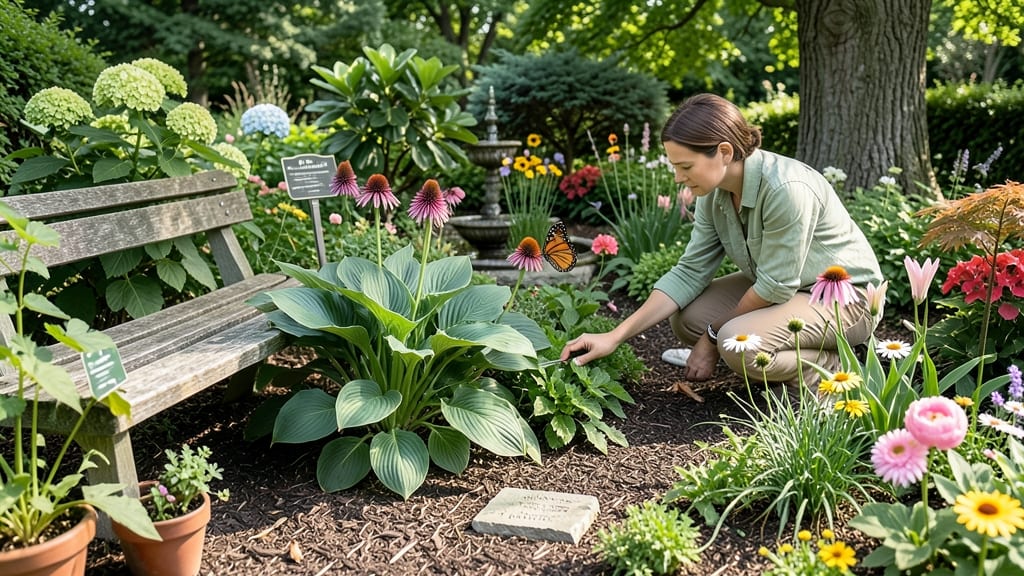
The Toronto Botanical Garden features stunning seasonal displays, rare botanical collections, and themed gardens like the Japanese Garden and Children's Garden, creating a vibrant experience for nature lovers year-round. Its sprawling 200-acre property includes native plant exhibits, educational programs, and peaceful walking paths through specialty gardens.
The Toronto Botanical Garden is more than just a green space—it's a living classroom where every season brings something new. 🌸 Spring transforms the grounds into a riot of tulips and peonies, while summer showcases sun-loving perennials in full bloom.
What makes this garden special is its commitment to preserving native species alongside curated collections, like the serene Japanese Garden or the interactive Children's Garden. Whether you're a plant enthusiast or just looking for a peaceful escape, there's always something to discover.
Beyond the beauty, the garden offers hands-on learning through workshops and guided tours, making it perfect for families, students, and curious visitors. The thoughtful layout ensures accessibility for all, with well-maintained trails and shaded areas.
Pro tip: Check their seasonal event calendar—festivals like the Winter Lights Festival turn the garden into a magical wonderland after dark.
💡 In This Article
- Seasonal Blooms and Plant Collections at Toronto Botanical Garden
- Planning Your Visit: Best Gardens and Events by Season
Seasonal blooms and plant collections at Toronto botanical garden
The Toronto Botanical Garden's seasonal transformations are a masterclass in horticultural timing. In spring, 20,000 tulip bulbs planted in the Dutch Garden bloom synchronously thanks to precise chilling requirements—most varieties need 12-16 weeks below 40°F to trigger flowering.
The garden's microclimates allow early bloomers like 'Darwin Hybrid' tulips to appear by late April, while later varieties extend the show into June. 🌷 This timing isn't random; it's based on Toronto's USDA Zone 6b climate, where careful species selection ensures continuous color.
Summer's star is the 1,200-rose collection in the Rose Garden, featuring 120 varieties that bloom from June to October. The garden uses a "repeat-flowering" strategy by planting both hybrid teas (which bloom once seasonally) alongside floribundas and grandifloras that produce multiple flushes.
The Japanese Garden's wisteria vines, with their 20-foot-long racemes, demonstrate another seasonal strategy—pruning in late winter to encourage vigorous spring growth when temperatures consistently reach 50°F.
Fall foliage transforms the Woodland Garden into a fiery spectacle, thanks to native species like sugar maples and red oaks that change color when daylight shortens to 12 hours and temperatures drop below 50°F.
The garden's 8-acre native plant collection includes 300 species adapted to Toronto's climate, providing year-round interest. Even winter has its highlights—the evergreen collection features 40 species of conifers that maintain their color through snowfall, creating vertical structure when deciduous plants sleep.
What makes these collections special is the garden's layered planting technique. Each bed combines 3-5 plant types with varying bloom times and heights—like pairing 3-foot-tall peonies (spring) with 6-inch salvia (summer) and 2-foot asters (fall).
This creates continuous color from April to November, a technique borrowed from European cottage gardens but adapted for Toronto's shorter growing season. The Children's Garden's sensory path demonstrates this perfectly, with textured plants like lamb's ear and fragrant lavender arranged to engage all senses year-round.
The garden's conservatory extends these seasonal displays indoors, where 1,500 tropical plants thrive in 70-80% humidity and 75-85°F temperatures. This controlled environment showcases plants that wouldn't survive Toronto's winters, like orchids that bloom year-round under 12-hour photoperiods.
The contrast between these tropical specimens and the hardy native plants outside illustrates the garden's dual mission: celebrating both local biodiversity and global botanical diversity. 🌿
Behind the scenes, the garden's plant propagation team maintains these collections through careful seed banking and tissue culture techniques. Rare species like Trillium grandiflorum (a threatened wildflower) are propagated from seed in sterile conditions to prevent fungal contamination.
This scientific approach ensures visitors can enjoy these plants for generations—something that would be impossible with wild-collected specimens alone.
For visitors, this means every season offers something unique. Spring brings bulb festivals, summer features night-blooming plants like moonflower, fall delivers pumpkin displays, and winter transforms the garden into a holiday light display with 100,000 LED lights.
The careful planning behind these seasonal highlights makes the Toronto Botanical Garden a year-round destination rather than just a seasonal attraction.