
Tools
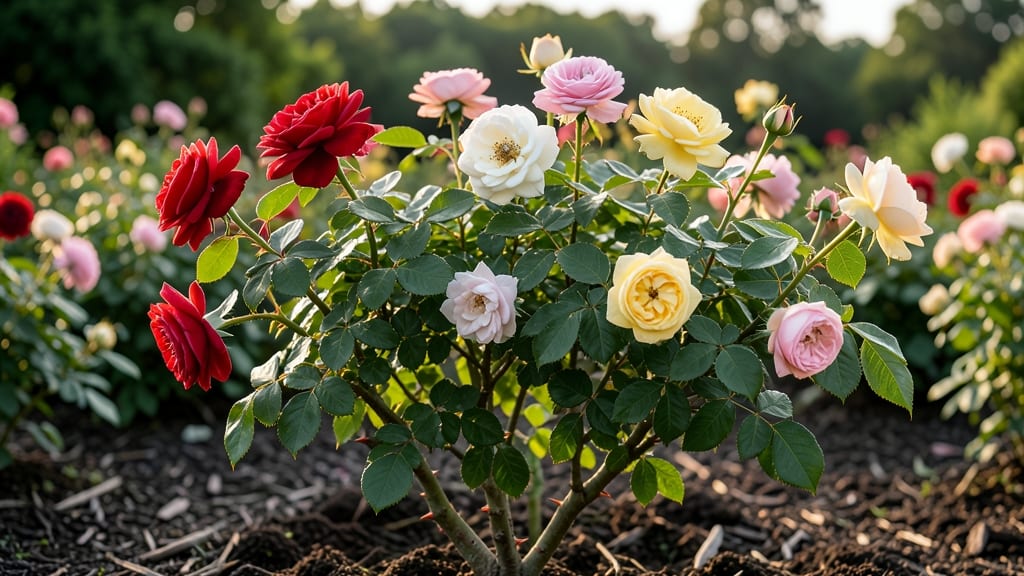
The Rose Garden at Stanley Park is most stunning in late spring through early summer, when 50,000 blooms peak between May and June, with seasonal highlights like winter holly displays and autumn foliage framing the pathways.
The Rose Garden at Stanley Park transforms into a breathtaking floral display during its peak season, thanks to Vancouver's unique maritime climate. 🌸 This garden thrives in late spring and summer because the cool, moist air and mild temperatures create ideal conditions for roses to flourish.
The garden's carefully curated collection of over 50 varieties ensures a vibrant show, with each bloom reaching its full potential in the sun-drenched pathways. Beyond the roses, the garden's seasonal transitions—from winter's evergreen holly to autumn's fiery foliage—make it a year-round destination worth planning your visit around.
For the best experience, I recommend visiting on weekdays to avoid crowds and capturing photos during the golden hours of morning or late afternoon. The garden's accessibility features, like paved pathways and benches, make it enjoyable for all visitors.
Plus, you can easily combine your visit with nearby attractions such as the Vancouver Aquarium or the park's scenic seawall for a full day of exploration.
💡 In This Article
- Why Stanley Park’s Rose Garden Blooms Best in Late Spring
- Seasonal Planning for Visiting Stanley Park’s Rose Garden
Why Stanley Park’s rose garden blooms best in late spring
Stanley Park’s 50,000 roses thrive in late spring because of Vancouver’s maritime climate, where cool ocean breezes and consistent rainfall create perfect growing conditions. Unlike inland gardens, which often face extreme temperature swings, this region maintains 50-60°F average temperatures during peak bloom, preventing heat stress that can scorch petals.
The garden’s well-draining, nutrient-rich soil—amended with compost and organic matter—further supports robust growth, allowing roses to develop their signature fragrance and vibrant colors.
The blooming cycle is triggered by daylight length and temperature cues. As daylight stretches beyond 14 hours in May, roses receive the photoperiod signal to flower, while consistent 60-70°F daytime highs and 50°F nighttime lows prevent dormancy.
This extended bloom period—unlike inland gardens that peak in just 2-3 weeks—means Stanley Park’s roses stay lush for 6-8 weeks, from late May through July.
The garden’s 50+ varieties, including hybrid teas and climbers, are chosen specifically for this climate, ensuring a continuous spectrum of colors from pale pinks to deep reds.
What sets this garden apart is its microclimate management. Strategically placed windbreaks and irrigation systems protect blooms from salt spray and sudden downpours, while the park’s elevation gradient (from sea level to 170 feet) creates diverse growing zones.
For example, David Austin English roses planted near the seawall benefit from salt-tolerant soil amendments, while climbing roses on trellises in sunnier areas reach their full potential. This thoughtful design ensures every section of the garden hits peak bloom within a 2-week window of each other.
Beyond climate, the garden’s pollinator-friendly practices play a role in its vibrancy. Native bees and butterflies thrive here thanks to interplanted herbs like lavender and thyme, which attract beneficial insects that enhance pollination. The result? Roses develop fuller petals and more fragrance than those in chemically treated gardens.
Visitors often remark on the intense, honey-like scent that fills the air—this is no accident, but a byproduct of the garden’s natural ecosystem approach.
For those planning a visit, timing is everything. The first flush of blooms typically appears in late May, with 80% of the garden in full bloom by early June.
By mid-July, while some varieties begin to fade, the climbing roses on the pergola sections reach their peak, creating a dramatic canopy effect. This staggered bloom ensures the garden remains a visual spectacle even after the initial rush of spring flowers.
What most visitors don’t realize is how the garden’s pruning schedule influences the bloom cycle. Roses are pruned in late winter (February-March) to encourage new growth, but the heaviest flowering stems are preserved until late spring.
This delayed pruning is crucial—it allows the plant to store energy during Vancouver’s mild winters, ensuring a stronger bloom in spring rather than a scattered display.
The garden’s horticulturists also use mulching techniques to retain soil moisture, which is especially important during the drier summer months when irrigation is reduced.
To experience the garden at its absolute best, aim for a visit on a weekday morning in late May or early June. The soft morning light enhances the roses’ colors, and the fewer crowds mean you can wander the 1.5-acre garden at a leisurely pace.
Pro tip: Bring a polarizing filter for your camera—it reduces glare from the sea-level mist and makes the petals appear even more vibrant. The garden’s fragrance peaks between 10 AM and 2 PM, so plan your stroll accordingly if you’re sensitive to strong scents.