
Tools
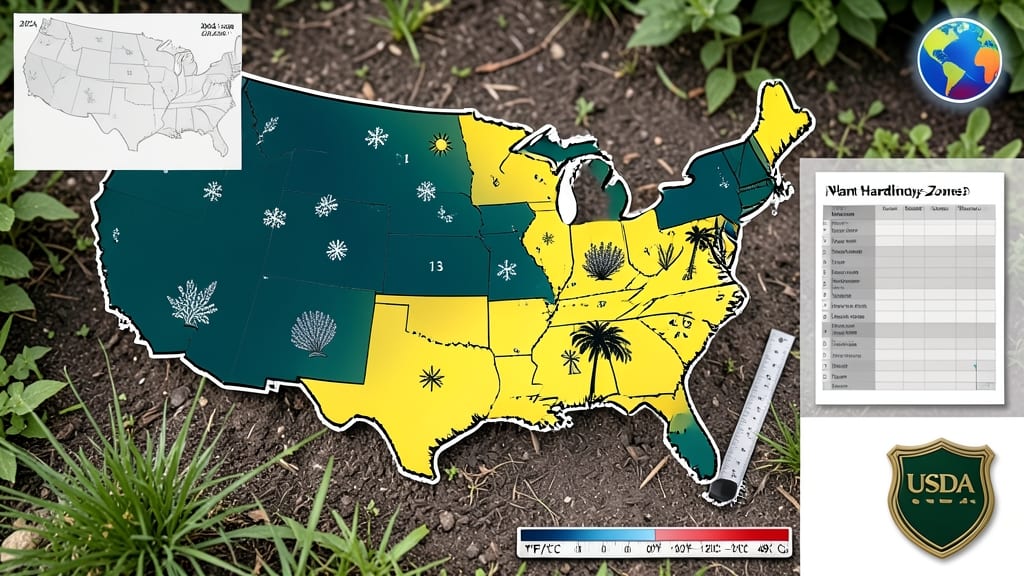
The USDA Gardening Zones 2025 update refines climate-based planting guidelines by incorporating 30-year temperature averages, shifting some regions into cooler zones due to microclimates and localized data adjustments. Check the new interactive map for precise zone assignments before selecting plants.
The 2025 update reflects three decades of climate data, adjusting for localized variations like urban heat islands and elevation changes that older maps overlooked.
This means your garden's hardiness zone might now be 1-2 degrees cooler than previously listed, potentially expanding what you can grow successfully. 🌱 For example, regions in the Southeast may now support cold-hardy plants that previously struggled with late-season frosts.
Always verify your exact zone using the USDA's interactive tool, as these changes can significantly impact plant selection and care strategies.
This revision also accounts for long-term temperature trends rather than just recent fluctuations, providing more reliable guidance for gardeners planning long-term landscapes. The updated zones help you avoid costly mistakes—like planting tender annuals too early—by matching your location's true climate patterns.
I recommend bookmarking the new map and checking it annually, as these adjustments will continue evolving with climate science.
💡 In This Article
- How USDA Zone Changes Impact Plant Selection
- 2025 USDA Zone Map: How to Find and Use Your New Gardening Zone
How USDA Zone changes impact plant selection
The 2025 USDA Gardening Zones now reflect 30-year temperature averages instead of the previous 10-year data, creating more stable guidelines.
This shift accounts for localized climate patterns like urban heat islands—cities can be 5-10°F hotter than surrounding rural areas—which explains why some urban gardens now fall into warmer zones than their ZIP codes suggest.
For example, a backyard in downtown Atlanta might now be classified as Zone 8a instead of 7b, allowing gardeners to grow peaches or figs that previously struggled with late frosts. 🌿
Hardiness ratings have also tightened, with some plants now requiring 1-2 degrees cooler conditions than older maps indicated. Take roses: Many hybrid teas now thrive in Zone 5a (down from 5b), meaning gardeners in the Upper Midwest can confidently plant varieties like 'Knock Out' that once faced higher winter risks.
The new zones also better reflect elevation effects—mountain regions may now show cooler classifications, while valley floors could shift warmer, directly influencing which perennials like lavender or Russian sage will survive.
This precision matters because misjudging your zone can lead to plant failures. A Zone 6b gardener might have assumed they could grow blueberries (Zone 4-7), but if their actual microclimate sits at Zone 5a, the bushes could suffer winter dieback.
The 2025 update helps avoid such mistakes by incorporating localized frost data and heatwave trends, giving gardeners a clearer picture of their true growing conditions. 🌡️
What’s surprising is how these changes can expand gardening possibilities. In the Pacific Northwest, for instance, some areas now qualify for Zone 8b instead of 7a, opening doors to Mediterranean herbs like rosemary and oregano that once required container growing.
Conversely, parts of the Northeast may now be classified as Zone 5a, making it safer to plant hardy kiwi varieties that previously faced uncertain survival. Always cross-check with the USDA’s interactive tool—your actual yard might differ from the general zone due to sun exposure or wind patterns.
For container gardeners, the shift is especially valuable. Plants like citrus trees (Zone 9-11) can now thrive in Zone 8a regions if moved indoors during winter, thanks to the updated heat tolerance thresholds.
The new zones also clarify which tender perennials (Zone 8-10) can overwinter in Zone 7b with proper mulching—like canna lilies or elephant ears—that once required digging up each fall. This level of detail transforms gardening from guesswork into data-driven success. 📊
One advanced consideration: Soil temperature now plays a role in some zone adjustments, particularly in wetter climates where cold air pools near the ground. For example, a Zone 6a garden in the Mississippi Delta might see slower spring warming, delaying planting times for heat-loving crops like tomatoes.
The 2025 zones help account for these nuances by integrating ground-level temperature sensors from cooperating weather stations nationwide. This means your planting calendar should align with the new zone’s last frost dates, not just the old USDA averages.