
Tools
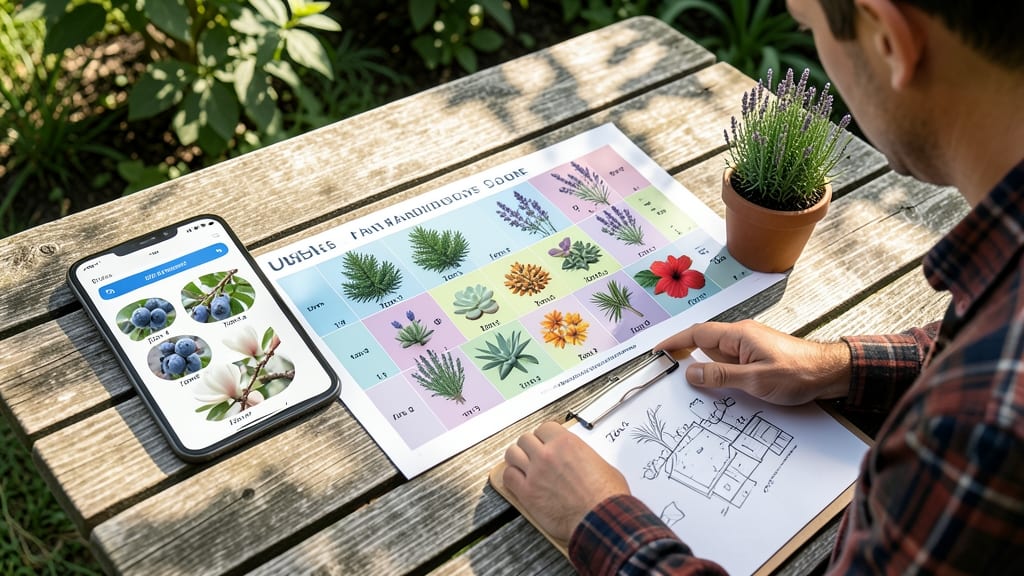
To find your gardening zones by zip, use the USDA Plant Hardiness Zone Map to identify your location's cold tolerance range, which helps determine which plants will thrive based on your area's seasonal temperature averages.
This system divides the country into 13 zones (1-13) based on the average annual minimum winter temperatures, with each zone representing a 10°F range. 🌱 For example, Zone 5 endures -15°F to -10°F winters, while Zone 9 stays above 20°F.
Knowing your zone ensures you select plants that can survive your region's coldest months, preventing costly failures. Microclimates—like sunny south-facing slopes or sheltered valleys—can even shift your effective zone by one level, so always verify with local data.
Most gardeners start by entering their zip code into the USDA's interactive online map, which instantly pinpoints their zone. Mobile apps like Gardenate or PlantSnap also provide this info along with planting timelines.
For extra precision, check with your local agricultural extension office—they often have hyper-local adjustments based on elevation and weather patterns.
💡 In This Article
- Understanding USDA Plant Hardiness Zones and Their Impact
- Step-by-Step Guide to Locate Your Zone Using Zip Code
Understanding USDA plant hardiness zones and their impact
The USDA Plant Hardiness Zone Map divides the U.S. into 13 zones based on the average annual minimum temperature over a 30-year period. Each zone represents a 10°F range, with Zone 1 experiencing -60°F to -50°F winters and Zone 13 staying above 60°F.
This system helps gardeners select plants that can withstand their area's harshest winter conditions. For example, a Zone 6 plant like peonies can survive -10°F to 0°F, while a Zone 10 palm tree needs protection above 30°F. 🌡️
These zones determine plant survival because most species have a critical temperature threshold below which their cells freeze and die. The USDA calculates zones using data from 7,500+ weather stations across the country, analyzing 30 years of records to account for natural climate fluctuations.
This long-term approach ensures the zones reflect long-term growing conditions rather than temporary weather anomalies. For instance, a sudden -20°F cold snap in Zone 7 won't reclassify the area—only sustained temperature patterns do.
Microclimates can shift your effective zone by one level or more. A south-facing wall can add 5-10°F of warmth, while a shady valley might drop temperatures by 2-5°F. Urban areas often experience "heat islands" where pavement and buildings trap warmth, potentially raising zones by 1-2 levels.
To account for this, I recommend testing your microclimate by planting a sensitive species like hydrangeas—if they survive winters they're not "zoned" for, you're likely in a warmer microclimate. 🌿
Zone boundaries aren't always straight lines—they follow isotherms (lines of equal temperature) that create irregular shapes. This means two nearby zip codes might fall into different zones.
For example, Denver (Zone 5b) sits at 5,280 feet elevation, while nearby Boulder (Zone 6a) benefits from its 5,430-foot altitude and different wind patterns. Always cross-reference your zip code result with local observations to refine your planting strategy.
Understanding these zones prevents costly mistakes. A Zone 5 gardener who plants a Zone 8 azalea risks losing it to winter freeze, while a Zone 10 gardener who plants a Zone 3 rose might struggle with heat stress.
The zones serve as a starting point—your local climate history and microclimate observations should always fine-tune the recommendations. 🌍
For maximum accuracy, combine the USDA map with your local cooperative extension service, which maintains detailed records of frost dates, heat waves, and soil conditions. They often provide hyper-local adjustments that the national map can't capture. This layered approach ensures your garden thrives year after year. ✨