
Container Gardens
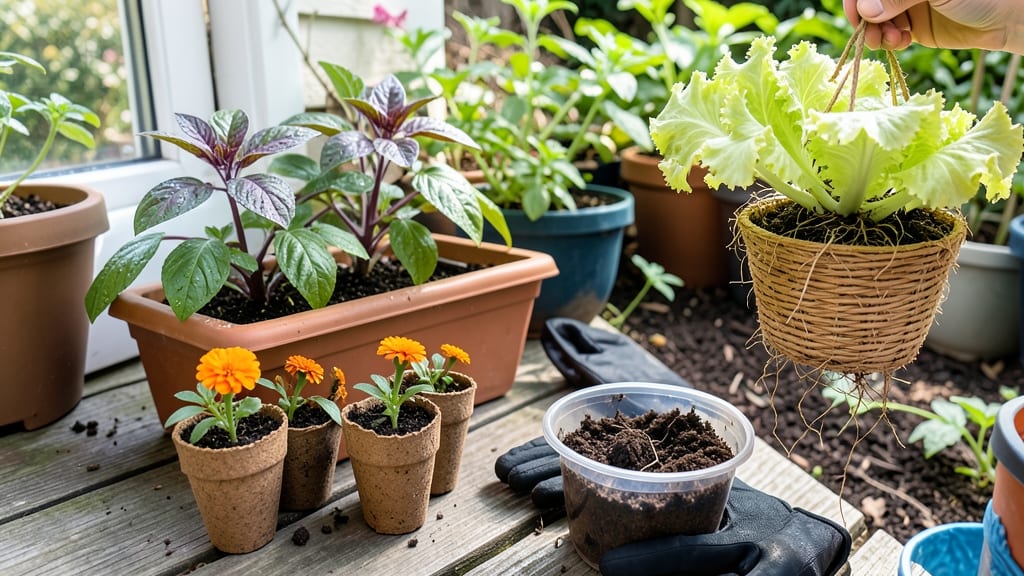
Using garden soil in containers can harm plants due to compaction, poor drainage, and disease risks, but mixing it with perlite or compost (1:1 ratio) improves aeration and fertility for safe use in small amounts.
Garden soil packed into containers creates a dense, heavy medium that suffocates roots by limiting oxygen flow. 🌱 The natural clay and organic matter in yard soil compact easily, trapping moisture and inviting fungal growth—problems that potting mixes are specifically designed to avoid.
Even "lightened" with amendments, garden soil still risks introducing weeds or pathogens unless sterilized first, making it a high-risk choice for container gardening unless you're working with small, temporary setups.
For best results, I recommend using a commercial potting mix as your base and only adding garden soil in 20-30% increments when you need extra nutrients. This approach gives your plants the structure they need without the drawbacks of pure garden soil.
Always pair it with coarse sand or perlite to maintain that critical airflow.
💡 In This Article
- Why Garden Soil Fails in Container Gardening
- Best Ways to Modify Garden Soil for Containers
Why garden soil fails in container gardening
Garden soil is designed for in-ground planting where roots can spread freely and natural compaction happens over time. In containers, however, this same soil becomes a suffocating environment. The clay particles and organic matter pack tightly together, reducing pore space by up to 50% compared to loose potting mixes.
This compaction creates anaerobic zones where roots struggle to breathe, leading to stunted growth or even root rot. 🌱 The ideal potting mix contains 25-30% air space—something garden soil simply can't provide without heavy amendments.
The nutrient balance in garden soil also shifts dramatically in containers. While in-ground plants benefit from the slow-release minerals in native soil, container plants need readily available nutrients that leach out quickly.
Garden soil often lacks the micronutrients (like iron or zinc) that potting mixes include, causing deficiencies like yellowing leaves (chlorosis) within weeks. The high organic matter in yard soil also breaks down faster in confined spaces, creating a nutrient crash after just 4-6 weeks of use.
Pathogens and weed seeds are another hidden danger. Garden soil can harbor fungal spores, nematodes, and dormant weed seeds that become active in warm, moist containers. Unlike in-ground gardens where these issues spread over large areas, container plants have no escape—leading to rapid disease outbreaks.
Even sterilized garden soil loses effectiveness quickly because the beneficial microbes that suppress pathogens in the ground don't thrive in the confined, nutrient-poor environment of pots.
Consider this comparison: A typical potting mix contains 50-70% inorganic matter (perlite, vermiculite) to prevent compaction, while garden soil is 90% organic matter by volume. The difference is like comparing a sponge to a brick—one absorbs water and air, while the other becomes waterlogged and airtight.
This structural mismatch explains why plants in garden soil often show signs of stress within 2-3 weeks, even with regular watering.
For example, tomatoes grown in unamended garden soil typically produce 30-40% fewer fruits than those in proper potting mix due to root oxygen deprivation.
The same soil can support healthy in-ground vegetables because roots have space to grow downward, but containers force roots into a compacted, nutrient-poor environment where they can't access what they need. 🌿