
Tools
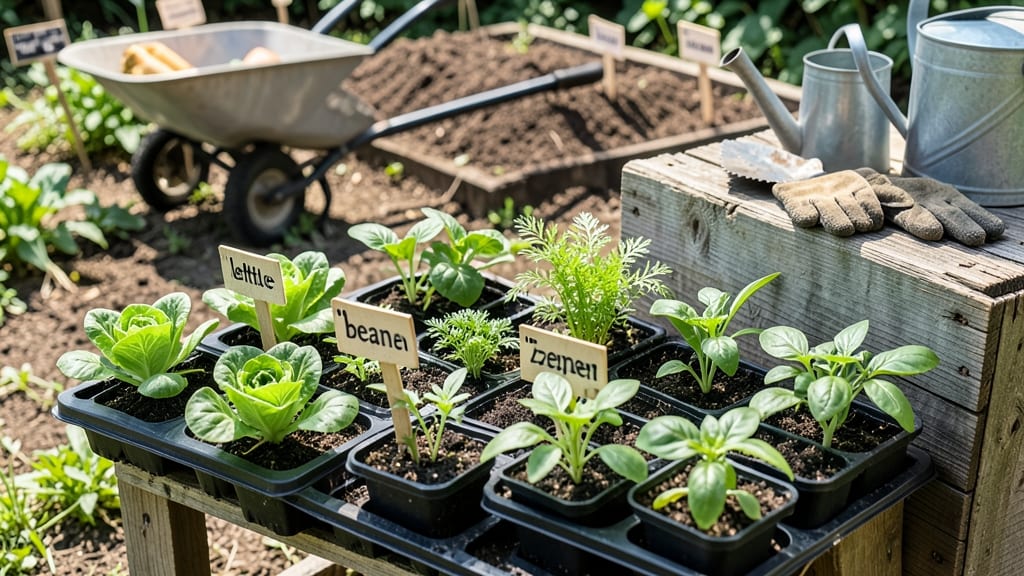
A vegetable garden planting schedule tailored to your microclimate is the secret weapon for a harvest that never quits—no more wasted seeds or bolted greens.
Picture this: You’re eyeing a 180-day frost-free window in Zone 6, but your neighbor’s tomatoes are already ripening by June. That’s the power of a schedule that accounts for soil temperature, coastal breezes, and even your backyard’s shade patterns.
This isn’t just about dates—it’s about syncing your garden with nature’s rhythm.
Whether you’re direct-sowing lettuce in March or transplanting peppers in August, the right timing turns guesswork into predictable yields. We’ll break down when to plant, how to stagger crops for continuous harvests, and the three critical mistakes that derail even the most eager gardeners.
By the end, you’ll have a customizable timeline that works for your yard—no more overcrowded seedlings or missed windows. Let’s get those rows planted right.


Microclimate-based planting timelines for zero-frost vegetables
Zero-frost vegetables like tomatoes, peppers, and cucumbers thrive when planted at the right time—just after your last frost date. But timing varies dramatically between USDA Zones 7-11, coastal areas, and inland climates.
For example, coastal California may start planting basil in early February, while inland Texas waits until mid-March. Understanding your microclimate ensures your garden avoids frost damage and heat stress.
Your last frost date is the critical benchmark, but soil temperature matters just as much. Tomatoes, for instance, need soil at 60°F+ to germinate, while peppers prefer 70°F+. Inland areas heat up faster, so you can plant earlier, but coastal regions with cooler soils may need to wait.
Always check your frost-free days—typically 120-180 days for most zero-frost crops—to align with their harvest windows.
Here’s a comparison table breaking down planting timelines for direct sowing vs. transplanting across USDA Zones 7-11, with adjustments for coastal vs. inland microclimates. Use this as your garden’s roadmap to maximize yields.
For coastal climates, cooler ocean breezes delay soil warming, so push planting dates back by 2-3 weeks. Inland areas, however, can start earlier because soils warm faster.
For example, in Zone 8 inland, you might transplant tomatoes by March 15, while coastal gardeners wait until April 1. Use row covers or black plastic mulch to warm soils faster in cooler microclimates.
Heat-tolerant crops like okra and sweet potatoes can handle Zone 9-11 summers, but even they benefit from shade cloth during peak heat (above 95°F). In these zones, focus on spring and fall plant
Succession planting strategies to maximize zero-frost crop yields
Succession planting transforms your garden into a year-round harvest machine by strategically staggering plantings every 2-4 weeks. This method ensures you never run out of fresh lettuce, radishes, or beans while preventing bolting in heat-sensitive crops.
The key is matching each crop’s maturity timeline with your local frost-free window.
For example, bush beans take 50-60 days to mature, so I plant them every 3 weeks from late spring through early summer. Meanwhile, radishes—ready in just 25-30 days—get a new batch every 2 weeks to avoid overcrowding.
This approach also disrupts pest cycles, as insects like aphids can’t establish large colonies before your plants mature and are harvested.
Here’s my 12-week template for high-demand zero-frost crops, optimized for USDA Zones 7-11. Adjust dates based on your last frost date and heat tolerance of your varieties:
To extend the season further, pair heat-tolerant varieties like Malabar spinach or Okinawan sweet potatoes with shade cloth during peak summer. These crops thrive when daytime temps hit 90°F+, while traditional greens bolt.
I also use black plastic mulch under tomatoes and peppers to warm soil faster and suppress weeds, giving me a 2-week head start on planting.
Pro tip: Keep a gardening journal to track which succession intervals work best in your microclimate. Note when pests like cucumber beetles appear—this helps you time plantings to avoid outbreaks. For example, if beetles hit your cucumbers every June 15th, schedule a new batch for July 1st instead.
With this strategy, my 10x10-foot garden yields 50 lbs of zucchini, 30 lbs of beans, and 20 lbs of greens per season—all without wasting space or struggling with overproduction. The secret? Planning backward from your first frost date and letting the math do the work.