
Tools
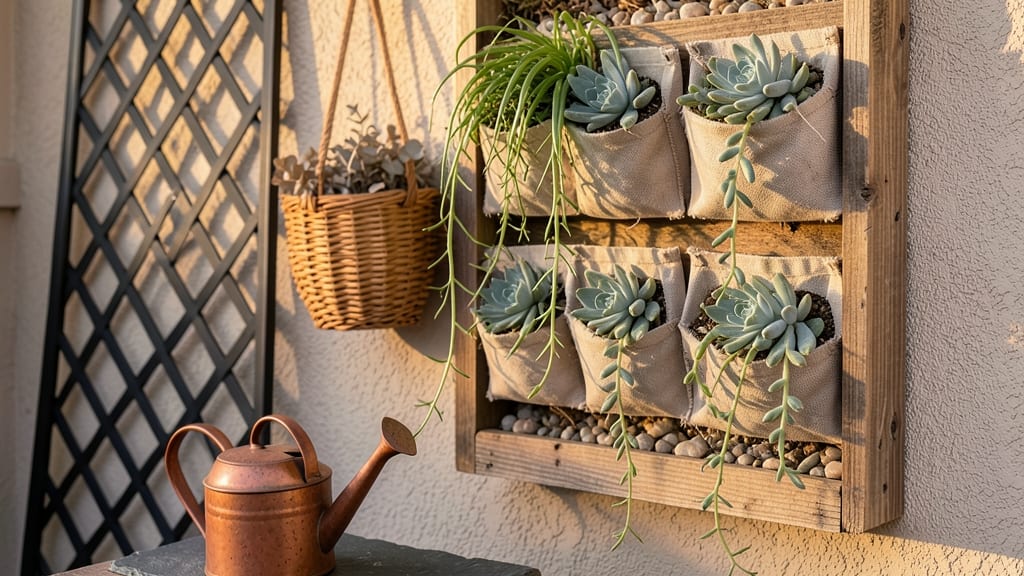
An outdoor wall garden transforms even the smallest yard into a thriving green space 🌱 by turning vertical surfaces into productive growing areas.
Running out of yard space? You’re not alone—many urban gardeners and small-space owners are discovering that wall gardens can double (or triple) their growing capacity without taking up precious floor room.
Whether you’re dreaming of a lush herb wall for your kitchen or a cascading flower display on a balcony, the right design can turn bare walls into a vibrant, functional garden that works year-round.
Below, I’ll walk you through the best layouts, plant picks, and DIY tricks to create a stunning outdoor wall garden that’s both beautiful and easy to maintain.
10 Best outdoor wall garden designs for small yards and urban spaces
If you're dreaming of a lush garden but struggling with limited space, vertical gardening is your solution. Outdoor wall gardens transform bare walls into vibrant green canvases while maximizing your growing area.
Whether you have a tiny balcony or a small urban patio, these designs prove that space constraints don't mean sacrificing your green thumb. The key is choosing the right structure and plants for your climate and sunlight conditions.
From modular pocket planters to cascading herb spirals, each design offers unique benefits. Some prioritize edible plants like herbs and veggies, while others focus on aesthetic appeal with flowering vines and succulents.
The best part? Many of these designs require minimal maintenance once established. Let's explore the top 10 outdoor wall garden designs that will turn your vertical space into a thriving garden oasis.
Comparison Table: Top Outdoor Wall Garden Designs
For urban balconies or small patios, pocket planters are a game-changer. These lightweight, modular systems attach directly to walls and are perfect for growing herbs like basil and thyme or even strawberries. The best part?
They're easy to install and require minimal maintenance. I've seen these transform concrete walls into edible gardens in just a few weeks. Start with a small section and expand as your confidence grows!
If you prefer a more natural look, a trellis wall is ideal. This design allows climbing plants** like clematis or grapes to create a stunning vertical display. Install a sturdy trellis on your wall and watch as vines grow upward, providing shade and beauty. For
Creating a stunning wall garden outdoor starts with selecting the right plants for vertical spaces. Unlike traditional gardens, wall gardens require compact growth habits and adaptability to limited soil depth. I’ve found that focusing on three key factors—sunlight exposure, soil conditions, and space constraints—makes all the difference in achieving a thriving vertical oasis. First, assess your wall’s sunlight patterns. Most outdoor walls receive either full sun (6+ hours) or partial shade (3-6 hours). Plants like thyme, lavender, and rosemary thrive in full sun, while ferns, impatiens, and hostas prefer shade. Misjudging sunlight can lead to leggy growth or wilting—so observe your space before committing to plants.
How to choose plants for your wall garden outdoor: sunlight, soil, and space needs
Plant Type
Sunlight Needs
Water Needs
Mature Size
Best For
Herbs (Basil, Thyme, Oregano)
Full Sun (6+ hrs)
Moderate (1-2x/week)
12-24 inches
Cooking, fragrance
Succulents (Sedum, Echeveria)
Partial Sun (3-6 hrs)
Low (1x/week)
6-12 inches
Drought tolerance
Climbing Flowers (Nasturtium, Clematis)
Full Sun to Partial Shade
Moderate-High
3-8 feet (with support)
Vertical interest
Ferns (Boston, Maidenhair)
Partial to Full Shade
High (daily misting)
12-36 inches
Moisture-loving areas
Vegetables (Lettuce, Radishes)
Partial Sun (4-6 hrs)
Moderate-High
6-18 inches
Edible harvests
Next, consider your soil and drainage. Wall gardens often use lightweight growing mediums like coco coir or hydroponic mixes, which dry out faster than garden soil. I recommend adding perlite or vermiculite to improve aeration, especially for succulents and herbs.
Test your soil’s pH—most herbs prefer 6.0-7.0, while azaleas and blueberries need acidic soil (4.5-5.5).
Space is another critical factor. Climbing plants like jasmine or morning glories need trellises or wire mesh, while compact varieties such as dwarf lavender or thyme fit into shallow pockets.
Measure your wall’s height and width—taller plants (like clematis) should go at the bottom, with shorter ones (like petunias) near the top to avoid shading.
Don’t overlook maintenance needs. Some plants, like succulents and sedum, require minimal watering, while ferns and lettuce need consistent moisture. I’ve found that grouping plants with similar care requirements together simplifies upkeep. For example, place drought-tolerant herbs near succulents in the same pocket to reduce watering trips.
Finally, think about seasonal changes. Some plants, like pansies or violas, handle cooler temperatures well, while others, like tomatoes or peppers, need warmer conditions. If you live in a USDA Zone 5-7 area, opt for hardy perennials like heuchera or hebe to ensure year-round greenery.
With the right plant selection and a little planning, your wall garden outdoor will become a vibrant, space-saving masterpiece that blooms with life and color. Start small, experiment with combinations, and enjoy the process of watching your vertical garden grow! 🌿✂️🌱