
Flowers
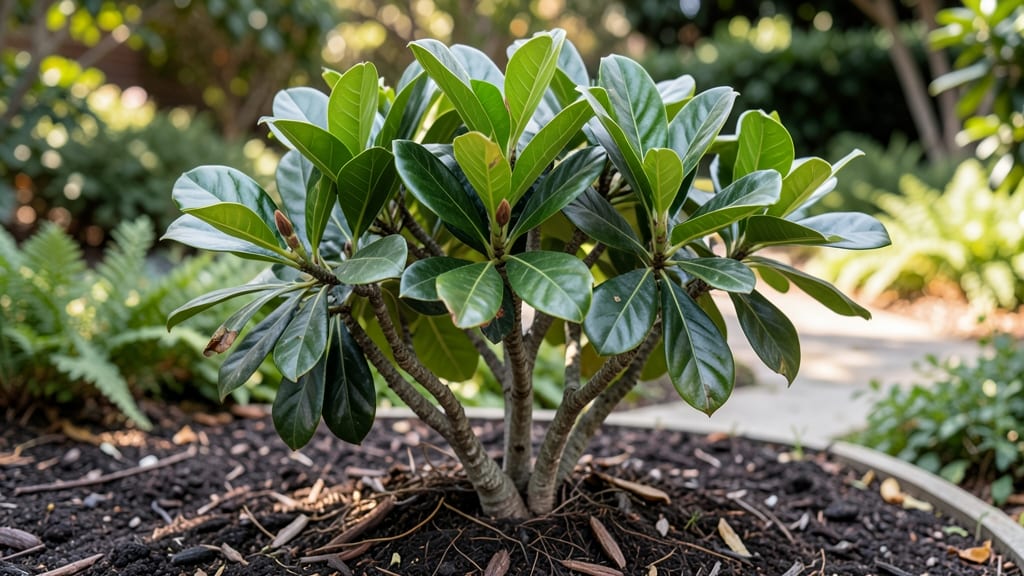
When winter arrives, you might wonder, what do gardenias look like in the winter—especially when their glossy leaves fall away and the shrub seems to vanish.
If you’ve ever questioned whether your prized gardenia has disappeared or simply entered a seasonal break, you’re not alone—many gardeners struggle to recognize their beloved shrubs during dormancy.
Don’t panic when the foliage falls away; this is completely normal for gardenias in USDA Zones 6a-9b, where cold weather triggers a natural slowdown. Instead of bare branches, look for woody stems and tight buds forming along the branches—these are the first signs of spring’s return.
Below, I’ll walk you through how to identify a dormant gardenia, the subtle changes to watch for, and simple care tips to keep it thriving until the blooms return in late spring.
Identifying gardenia dormancy: visual clues and seasonal changes
When winter arrives, your gardenia shrub may seem to disappear—but don’t panic! This evergreen plant actually enters a dormant phase, slowing growth to conserve energy. Unlike deciduous plants, gardenias rarely lose all their leaves, but they do exhibit subtle winter changes that help them survive colder temperatures.
The most noticeable winter transformation is a reduction in new growth. You’ll see slower leaf production and fewer blooms, as the plant focuses on maintaining its existing structure. The leaves may also appear darker or slightly smaller than in summer, a natural response to lower light levels.
Here’s how to recognize a healthy dormant gardenia versus one under stress:
| Feature | Dormant Gardenia | Stressed Gardenia |
|---|---|---|
| Leaves | Retains most leaves (may darken or shrink slightly) | Drops leaves prematurely or develops brown spots |
| Stems | Thick, woody, and slightly shriveled (not brittle) | Soft, mushy, or covered in mold |
| Bud Formation | Small green buds appear late winter (spring prep) | No buds or blackened, dried buds |
| Root Activity | Slow growth, stores energy for spring | Roots appear rotten or pull away easily |
| Soil Condition | Moist but not soggy (mulched) | Waterlogged or bone-dry |
One of the most misunderstood winter signs is the appearance of woody stems. In dormancy, gardenias develop a thicker bark layer to protect against frost. If you gently scrape a small section of bark, you’ll find a green layer underneath—a sign the plant is alive and storing nutrients.
Another key indicator is the formation of spring buds, often visible by late winter. These tiny, green or pinkish swellings appear at the stem tips or leaf axils. Unlike summer blooms, these buds are smaller and firmer, signaling the plant’s readiness to burst into growth when temperatures rise.
If your gardenia loses more than 50% of its leaves or develops yellowing foliage, it may be suffering from overwatering or nutrient deficiency. Healthy dormant gardenias retain most of their leaves, though they may appear less vibrant due to reduced sunlight.
Always check for pest damage or fungal spots before assuming dormancy.
In regions with harsh winters (USDA Zone 6 or colder), gardenias may enter a deeper dormancy. This means their growth nearly stops completely, and they rely on mulch and insulation to survive.
If you’re unsure whether your plant is dormant or dead, wait until late winter or early spring—new shoots should emerge within 4-6 weeks if the plant is alive.
One common mistake is pruning dormant gardenias too early. Avoid heavy trimming until you see new spring growth, as this helps the plant conserve energy. Instead, focus on light shaping and removing only dead or diseased branches during winter.
Remember, gardenias are tropical plants adapted to mild climates. In colder zones, they rely on seasonal adjustments like slower metabolism and reduced water needs. By recognizing these natural winter adaptations, you’ll give your gardenia the best chance to rebound beautifully in spring.
How to tell if your gardenia is dead vs. dormant in winter
Winter can turn your gardenia into a mystery—its glossy leaves vanish, and its branches seem bare. But don’t panic! A dormant gardenia looks very different from a dead one. The key is understanding the subtle signs that reveal whether your plant is simply resting or in trouble.
I’ve learned the hard way that bark texture, root health, and even the smell of the stems can tell you everything you need to know.
First, check the bark. A healthy dormant gardenia’s bark remains smooth and slightly greenish-gray, even in winter. If the bark is dry, cracked, or peeling, that’s a red flag.
Next, look for buds or tiny leaves hidden among the branches—these are clear signs of life. Even if your gardenia looks bare, these dormant buds are preparing for spring’s big bloom.
Dormant Gardenia vs. Dead Gardenia
- Bark: Smooth, slightly greenish-gray
- Leaves: Dropped but buds remain
- Stems: Flexible, not brittle
- Roots: Alive (test with gentle tug)
- Bark: Dry, cracked, or blackened
- Leaves: None, no buds
- Stems: Brittle, snaps easily
- Roots: Rotten or mushy (if dug up)
💡 Pro Tip: Gently scratch the bark—if it’s green underneath, your gardenia is alive! If it’s brown and dry, it’s likely dead.
Now, let’s talk roots. Digging up a small section of the root system can save your gardenia. Healthy roots should be white or light tan and firm to the touch. If they’re black, mushy, or smell rotten, your plant is dead.
But if the roots feel firm and springy, even if your gardenia looks bare, it’s just conserving energy for spring.
Don’t forget to check for regrowth signs in late winter. Look for tiny new leaves or swollen buds—these are your gardenia’s way of telling you it’s still alive. If you see green shoots or even a single leaf, your plant is dormant and will bounce back with proper care.
Patience is key here; gardenias take their time to wake up from winter’s nap.
Finally, consider the environment. Gardenias in USDA Zones 7-10 often stay evergreen or semi-dormant, while those in colder zones may lose all their leaves. If your gardenia is in a protected microclimate (like near a south-facing wall), it might retain a few leaves.
But if it’s completely bare, that’s normal for dormancy—just not a death sentence.
If you’re still unsure, wait until late winter and give your gardenia a light pruning. Cut back any dead branches, but leave the rest alone. A healthy dormant gardenia will reward you with fragrant blooms come spring—just give it time and the right care. 🌸