
Planting
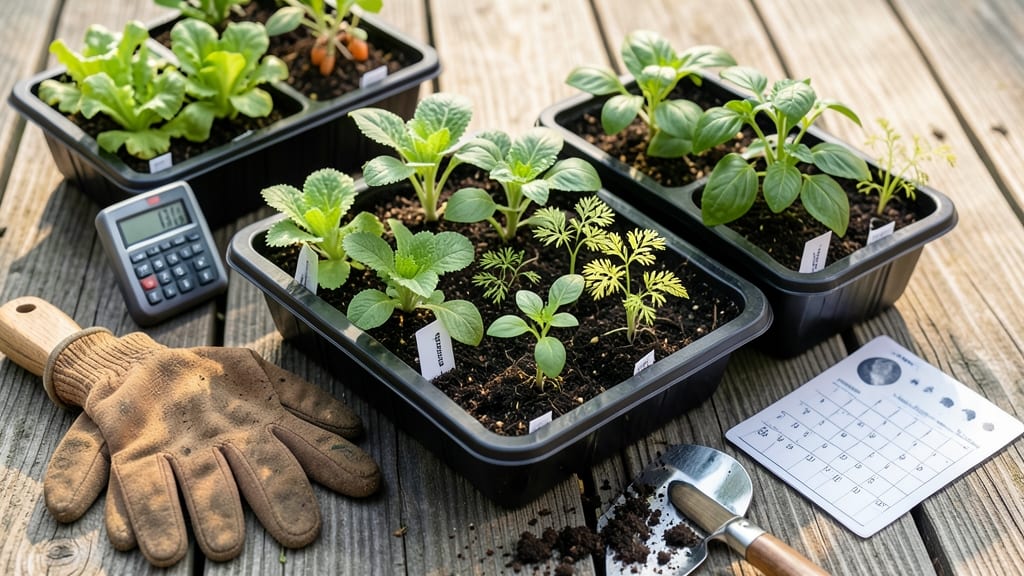
Planting a garden at the right time means the difference between a lush harvest and seeds that never sprout — and your hardiness zone is just the starting point.
Timing your garden planting by your hardiness zone alone can mean the difference between a thriving harvest and wasted seeds — especially when microclimates create unexpected growing conditions right in your backyard.
Whether you're in Zone 6a or a tropical climate, soil temperature, frost dates, and even your yard's sun exposure can shift your ideal planting window by weeks. The key? Understanding how your local microclimate interacts with standard planting guides.
Below, I’ll break down exactly how to adjust your planting schedule by zone, including when to plant cool-season crops like 🌱 General Garden and how to override the rules for your specific microclimate.
How to determine your exact planting window by USDA zone and frost dates
Your USDA hardiness zone is just the starting point for figuring out when to plant a garden. While it tells you what plants can survive winter, it doesn’t account for your local frost dates or the specific heat needs of your crops.
For example, basil in Zone 7 might need to wait until after Memorial Day, even if your zone says it’s safe earlier.
To pinpoint your exact planting window, you’ll need to combine three key pieces of information: your USDA zone, your average last frost date, and the minimum soil temperature for your chosen plants. Skipping this step often leads to frost-killed seedlings or stunted growth from cold soil.
Here’s how to calculate your precise planting window, including a summary table for quick reference:
Start by finding your last average frost date for your area. The National Oceanic and Atmospheric Administration (NOAA) provides free frost date maps, or check local Cooperative Extension Service records.
For example, in Zone 6a, the last frost typically falls around April 15, but this can vary by 1–2 weeks depending on elevation and latitude.
Next, adjust for soil temperature. A soil thermometer is your best tool here—most seeds need soil that’s at least 50°F for cool-season crops and 60°F+ for warm-season varieties.
If your soil is too cold, even after the frost date, delay planting until it warms up. For instance, cucumbers won’t germinate below 65°F.
For warm-season crops, also account for heat accumulation. Plants like eggplants need 1,000+ growing degree days (GDD) to mature. Use a GDD calculator to ensure your planting window aligns with your climate’s heat buildup. In Zone 8, this might mean waiting until mid-May for heat-loving plants.
Don’t forget to plan for succession planting. Even after your initial window closes, you can often squeeze in a second crop by choosing fast-maturing varieties or using row covers to extend the season.
For example, in Zone 5, you might plant bush beans in early June for a late-summer harvest.
Finally, use a planting calendar tailored to your zone. While general guidelines exist, local weather patterns—like unpredictable spring frosts or early heatwaves—can shift your window by weeks. Always have row covers or a greenhouse on hand to protect young plants if late frosts threaten.
By combining your USDA zone, frost dates, and soil temperature, you’ll avoid the most common gardening mistakes and set your plants up for success. Start with the summary table above, then fine-tune with local data for the most accurate planting window in your backyard. 🌱
Microclimate adjustments that can shift your planting time by weeks
Your USDA hardiness zone only tells part of the story when deciding when to plant a garden in your area. Microclimates—those tiny pockets of unique conditions—can shift your planting window by 2 to 4 weeks, sometimes even more.
A south-facing wall might warm soil enough to start tomatoes 3 weeks earlier, while a windy hilltop could delay planting until after the official last frost date.
Understanding these microclimates lets you extend your growing season or protect delicate plants from unexpected cold snaps. Whether you're in Zone 5 or Zone 7, small adjustments can mean the difference between a bountiful harvest and struggling seedlings. Let’s explore how to work with your yard’s natural advantages.
🌱 Comparison Table: Microclimate Adjustments by Scenario
If your garden sits in a sunken area, cold air pools there, delaying planting until after the official last frost date. Conversely, a raised bed warms up faster, letting you plant cool-season crops like broccoli 2 weeks earlier than flat ground.
Even a paved driveway nearby can create a warmer microclimate—ideal for heat-sensitive plants like basil.
For Zone 5 gardeners, these adjustments can turn a short growing season into a longer harvest window. For example, using row covers over early lettuce can push your first harvest from June to May.
In Zone 7, the opposite is true: shade cloth over late-season tomatoes prevents sunscald, extending ripening by 3 weeks.
Start by mapping your yard’s microclimates with a simple test: Place thermometers in sunny, shady, and sheltered spots for a week. Note where soil warms fastest—this is where to plant heat-loving crops earliest.
For cool-season plants, prioritize the coldest spots to avoid bolting. With these tweaks, you’ll maximize your garden’s potential no matter your zone. 🌿