
Advice
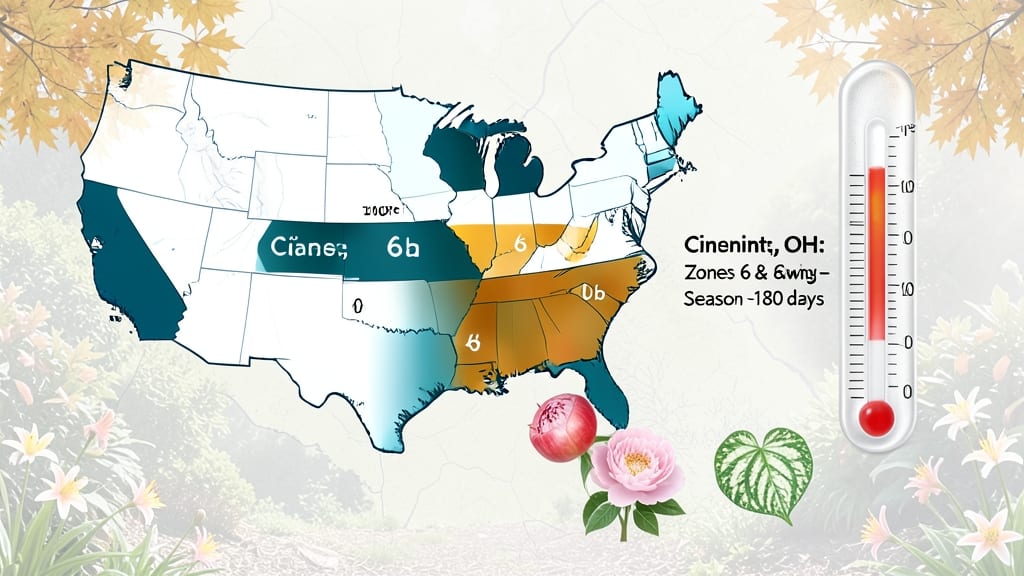
What gardening zone is Cincinnati, Ohio in? The city falls in USDA Hardiness Zones 6a to 6b, which helps gardeners like you pick the right plants and time them perfectly for the Queen City’s climate.
If you’ve ever planted too early and lost seedlings to a late frost or struggled with heat-sensitive veggies wilting in July, knowing your zone is the key to avoiding those gardening headaches.
With average last frost dates around April 15 and first frosts hitting October 15, Cincinnati’s growing season is short enough that timing matters—especially when microclimates in neighborhoods like Hyde Park or Norwood can shift temperatures by 5°F.
Below, I’ll break down how to use your zone for smarter planting, from frost dates to the best cold-hardy varieties for your garden’s unique conditions.
Cincinnati's official USDA Zones: 6a to 6b explained
Cincinnati, Ohio, sits squarely in USDA Hardiness Zones 6a and 6b, where average minimum winter temperatures range from -5°F to 0°F in Zone 6a and 0°F to 5°F in Zone 6b. This classification is critical for selecting plants that thrive in your local climate, ensuring your garden flourishes year after year.
Understanding these zones helps you avoid frost damage and maximize your growing season.
Your USDA zone determines which perennials, annuals, and vegetables will survive Cincinnati's winters and thrive during the warm months. For example, cold-hardy plants like peonies, daylilies, and Russian sage do exceptionally well, while tender varieties like tomatoes and basil need protection or must be started indoors before the last frost.
Here’s a quick breakdown of what these zones mean for your garden:
Your USDA zone also influences when to plant. For instance, cool-season vegetables like kale and peas can be sown as early as March, while warm-season crops such as beans and cucumbers should wait until after the last frost in mid-April.
Always check your local frost dates, as they can shift slightly each year.
Perennials are another area where your zone matters. Plants labeled for Zone 6 or lower will overwinter successfully, while those for Zone 7+ may struggle. For example, lavender (Zone 5-9) thrives in Cincinnati, but bougainvillea (Zone 9-11) won’t survive winters without protection.
Cincinnati’s microclimates can also tweak these guidelines. Urban areas like downtown may experience slightly warmer temperatures due to the heat island effect, while rural areas near the Ohio River might see cooler conditions. Adjust your plant choices based on your specific location within the city.
To make the most of your zone, start a garden journal to track which plants succeed (or fail) each year. Note any late frosts or early heat waves, as these can disrupt your planting schedule.
For example, if you notice tomatoes struggling in Zone 6a, consider starting them indoors or choosing earlier-maturing varieties.
If you’re new to gardening in Cincinnati, begin with low-maintenance perennials like daylilies or sedum, which are forgiving and well-suited to your zone. For annuals, opt for marigolds, zinnias, and sunflowers, which bloom reliably in Zones 6a and 6b.
With the right choices, your garden will not only survive but thrive in Cincinnati’s unique climate.
Remember, your USDA zone is just a starting point. Pay attention to your garden’s performance each season, and don’t hesitate to experiment with season extenders like row covers or cold frames to push your growing season further. Happy gardening! 🌱
Microclimates in Cincinnati: how Urban heat islands and elevation affect your garden
Cincinnati's USDA Zone 6a/6b designation gives you a starting point, but the city's microclimates create dramatic differences between neighborhoods. Urban heat islands in downtown areas can push temperatures 5-10°F higher than rural Bluegrass regions, while elevation changes near Mount Adams create cooler microclimates perfect for tender plants.
In Hyde Park, for example, lush gardens thrive with longer growing seasons thanks to tree canopy protection, while Norwood's industrial areas experience warmer nights that extend tomato and pepper production.
These variations mean your planting zone might effectively be Zone 5b in one yard and Zone 7a just miles away.
Wind patterns also play a crucial role—Mount Adams gardens experience stronger prevailing winds that dry soil faster, while southern exposures near the Ohio River benefit from warmer microclimates ideal for tropical plants like elephant ears or ginger that wouldn't survive elsewhere in the city.
Soil composition varies dramatically too: Clay-heavy soils in northern neighborhoods drain poorly, while sandy loam in southern areas warms up faster in spring. This means tomatoes might ripen 2 weeks earlier in a south-facing garden bed compared to a north-facing yard just blocks away.
To adapt, I recommend testing your specific microclimate by monitoring last frost dates for 3 years and adjusting your planting calendar accordingly. For example, Hyde Park gardeners can safely plant peppers by April 20th, while Bluegrass region growers should wait until May 10th to avoid frost damage.
Even within your yard, microclimates exist—a south-facing wall can create a Zone 7 microclimate perfect for roses or jasmine, while the north side might stay in Zone 5. Understanding these variations lets you maximize your garden's potential by placing the right plants in the right spots. 🌱