
Planting
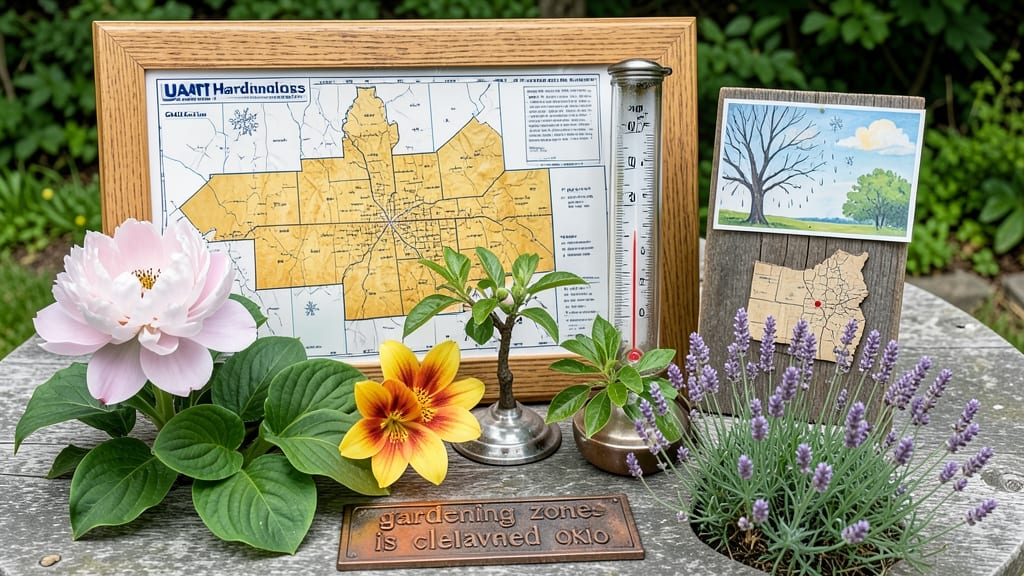
What gardening zone is Cleveland, Ohio? The city falls under USDA Hardiness Zones 5b to 6a, where winter lows typically range from -15°F to -5°F. The city's proximity to Lake Erie creates localized variations that can extend growing seasons in sheltered areas.
Understanding your gardening zone helps you choose the right plants for Cleveland's climate. The USDA classification system groups areas by average annual minimum temperatures, and Cleveland's range—5b to 6a—means you can grow a wide variety of perennials and shrubs that thrive in cold winters.
The lake's moderating influence creates warmer microclimates near the shore, allowing some gardeners to push their zones slightly higher. For example, areas just a few blocks from Lake Erie might experience 1-2°F warmer conditions, which can make a difference for heat-sensitive plants.
This zone variation explains why you might see successful gardens with different plant selections just a short drive apart. For instance, peonies and daylilies thrive in Cleveland's core zones, while roses and hydrangeas often do better near the lake where winters are slightly milder.
Always check specific plant hardiness ratings when selecting new additions for your garden. 🌿
💡 In This Article
- How USDA Zones 5b-6a Define Cleveland’s Growing Seasons
- Microclimate Adjustments: Lake Erie’s Impact on Cleveland Gardens
How USDA zones 5b-6a define Cleveland’s growing seasons
The USDA Plant Hardiness Zone Map divides North America into 13 zones based on average annual minimum temperatures, and Cleveland’s classification as zones 5b to 6a reflects its cold winters. Zone 5b represents areas where temperatures dip to -15°F to -10°F, while 6a covers -10°F to -5°F.
These ranges determine which plants can survive Cleveland’s harshest winters, with most of the city falling squarely in 6a due to its inland location. 🌡️
Cleveland’s winter extremes come from its continental climate, where cold air masses from Canada dominate.
The National Weather Service records show that the city averages 70 days per year below freezing, with the last spring frost typically occurring around April 20th and the first fall frost arriving by October 10th.
These frost dates create a 160-day growing season in most areas, though Lake Erie’s influence can extend this in sheltered microclimates. The zone classification helps gardeners select plants with cold tolerance matching these conditions.
Here’s what these zones mean for your garden: Plants rated for zones 3-6 will thrive in Cleveland, while tropical species (zones 9-11) won’t survive winters.
For example, maple trees (zone 3-8) and apple trees (zone 4-8) are excellent choices, while citrus (zone 9-11) requires container growing or winter protection. The zone system also accounts for Cleveland’s 1,800 heating degree days annually, which affects plant growth rates during warmer months.
What most people don’t realize is how historical temperature shifts affect zone classifications. Cleveland’s zones have gradually warmed by 1-2°F over the past 30 years due to climate change, making zone 6a more common than in previous decades.
This shift allows gardeners to experiment with marginally hardier plants, like dwarf lilacs (zone 3-7) or Russian sage (zone 4-9), which were once considered risky. Always verify a plant’s hardiness rating against your specific zone to avoid winter damage.
The USDA system also considers 30-year temperature averages, which means recent mild winters might not fully reflect current conditions. For instance, the 2011-2020 climate normals show Cleveland’s average minimum winter temperature at -3°F, closer to zone 6a than 5b.
This data helps explain why some gardeners in northern Cleveland (near zones 5b) struggle with hollyhocks (zone 4-8) while those near Lake Erie can grow clematis (zone 4-9) successfully in zone 6b.
To maximize your garden’s potential, use the USDA zone as a starting point but also consider microclimates and plant-specific hardiness. For example, a south-facing wall can create a 2-3°F warmer microclimate, allowing you to grow zone 7 plants like butterfly bushes in otherwise zone 6a areas.
Always check the Arbor Day Foundation’s Plant Hardiness Map for the most up-to-date zone boundaries and local variations. 🌱