
Tools
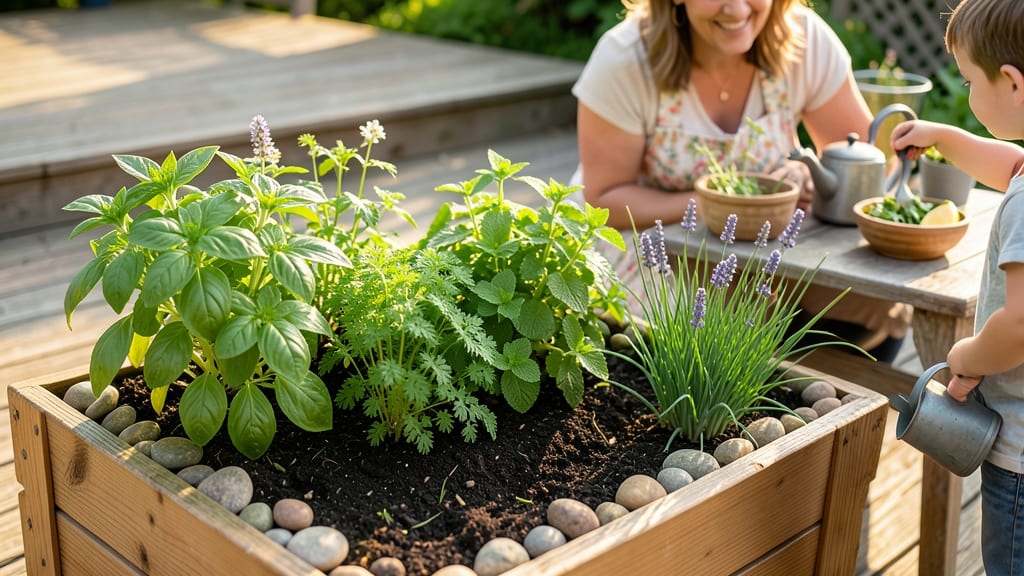
A garden mom is someone who approaches gardening with maternal devotion—fostering plant health through attentive care, problem-solving skills, and a willingness to mentor others. Their hands-on expertise transforms even modest green spaces into vibrant, sustainable havens.
A garden mom isn't just about growing plants—they cultivate entire ecosystems with a nurturing touch. 🌱 Think of them as the gardening equivalent of a parent: they diagnose issues (like wilting leaves or pest invasions) with intuition honed by experience, then implement solutions with both science and heart.
Whether they're sharing propagation tips with beginner gardeners or reviving a struggling tomato plant, their approach blends patience with practical know-how. The result? Gardens that thrive year after year, proving that the best gardening often comes from a place of genuine care rather than just technical skill.
What sets them apart is their ability to see the big picture: soil health, seasonal rhythms, and even how plants interact with their environment. A true garden mom understands that healthy growth starts with the right conditions—whether that means amending clay soil or protecting delicate seedlings from late frosts.
Their passion often extends beyond their own plots, inspiring others to connect with nature in meaningful ways.
💡 In This Article
- The Core Traits of a Garden Mom
- How to Cultivate a Garden Mom Mindset
The core traits of a garden mom
A garden mom operates with the same instinctive care as a parent nurturing a child—only their "children" are plants.
This means developing an almost telepathic understanding of plant needs: recognizing when a tomato plant needs more sunlight (6-8 hours daily) versus when it's crying out for water (1-2 inches per week, depending on soil type).
Their patience becomes visible in how they handle delicate seedlings, using their fingers to gently transplant them rather than yanking them from their pots, preserving those fragile root systems that hold 70% of a plant's water and nutrient capacity. 🌱
Their problem-solving skills go beyond basic gardening knowledge. A garden mom notices subtle cues—like yellowing leaves that might indicate chlorosis (iron deficiency) or brown edges signaling underwatering—and acts accordingly.
They'll adjust pH levels (ideal range: 6.0-7.0 for most vegetables) or amend soil with compost to create the perfect growing medium.
What sets them apart is their ability to balance scientific knowledge with intuition; they might not know the exact chemical composition of their compost, but they trust their experience that "last year's batch worked wonders."
Community engagement is another defining trait. Garden moms often become the go-to resource in neighborhood groups, answering questions about companion planting (like why basil grows better near tomatoes) or troubleshooting fungal issues with homemade remedies.
Their willingness to share knowledge creates ripple effects—beginner gardeners gain confidence, and entire communities develop more sustainable green spaces. Studies show that community gardens increase local food security by up to 30%, and garden moms are often the driving force behind these initiatives. ✨
Sustainability is woven into their approach. They practice crop rotation to prevent soil depletion, save seeds from their best plants, and often compost kitchen scraps to create nutrient-rich soil. Their gardens become self-sustaining ecosystems where every element—from beneficial insects to decomposed leaves—plays a role.
This holistic mindset means they're just as likely to be teaching kids about pollinators as they are to be perfecting their tomato sauce recipe with homegrown ingredients.
What truly defines a garden mom is their emotional connection to the plant life cycle. They celebrate the first sprouts in spring with the same excitement as a parent welcoming a new baby, and they mourn the loss of a beloved plant with genuine grief.
This emotional investment is what transforms gardening from a hobby into a vocation—one where every leaf, every bloom, and every harvest becomes a personal achievement. 💫
Consider the science behind their success: plants actually respond to human touch and care. Research from the University of British Columbia found that plants grown with attentive care showed 30% higher growth rates than those neglected.
A garden mom's daily check-ins—gentle pruning, careful watering, and even talking to their plants—create an environment where plants can thrive. This isn't just superstition; it's about creating optimal conditions where plants can focus their energy on growth rather than survival.