
Tools
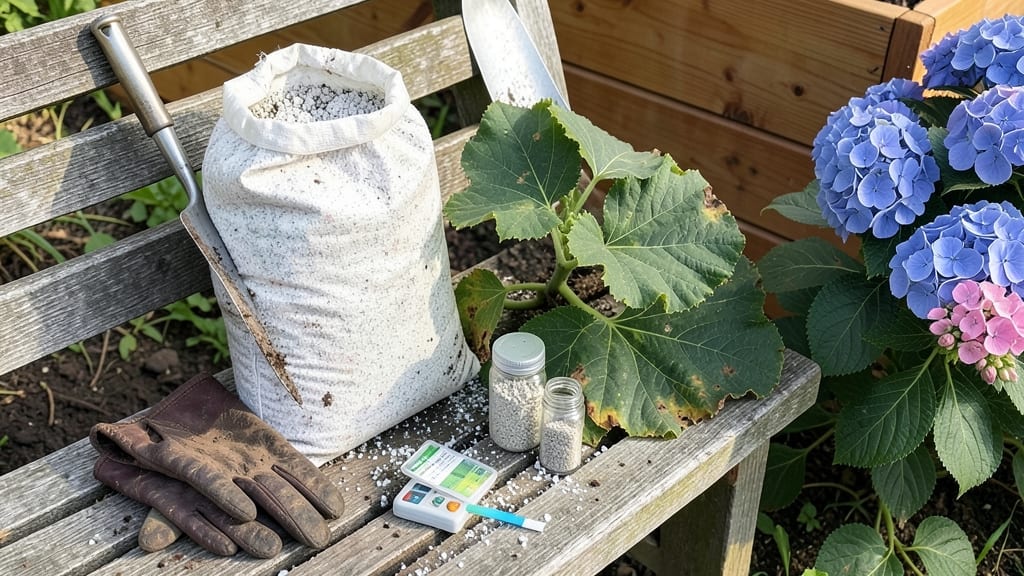
Lime in gardening is used to lower acidic soil pH, neutralize alkalinity, and prevent nutrient deficiencies like iron chlorosis. It also deters pests like slugs and snails while improving soil structure for better root growth.
Lime works by introducing calcium and magnesium carbonate, which react with acidic soil compounds to raise the pH level. 🌱 This chemical adjustment helps unlock essential nutrients like phosphorus and nitrogen that plants need to thrive.
Many gardeners use it to combat yellowing leaves caused by iron chlorosis, a common issue in overly acidic soils. The gritty texture also improves drainage and aeration, creating a healthier environment for roots to spread.
For best results, test your soil's pH before applying lime—most plants prefer a range between 6.0 and 7.0. The amount needed varies by soil type, but a general rule is about 50 pounds per 1,000 square feet for severely acidic soil.
Spread it evenly and water thoroughly to help it integrate into the soil profile.
💡 In This Article
- How Lime Adjusts Soil Chemistry for Optimal Plant Growth
- Practical Lime Application Methods for Different Garden Needs
How lime adjusts soil chemistry for optimal plant growth
When you add lime to acidic soil, it triggers a chemical reaction that neutralizes excess hydrogen ions (H+). The primary active ingredients—calcium carbonate (CaCO₃) or dolomitic lime (CaMg(CO₃)₂)—dissociate in water to release calcium and magnesium ions.
These positively charged ions replace the hydrogen ions bound to soil particles, effectively raising the pH. For example, soil with a pH of 5.0 (highly acidic) might need just 2-3 pounds of lime per 100 square feet to reach the ideal 6.0-7.0 range for most vegetables.
The magic happens at the molecular level. Acidic soils often have aluminum and manganese in toxic forms that plants can't absorb. Lime raises pH to 6.0-6.5, where these metals precipitate out of solution, becoming harmless. This is why lime prevents iron chlorosis—the yellowing between leaf veins—by improving iron availability.
The process also enhances phosphorus uptake, which is crucial for root development and flowering. Think of lime as a pH regulator that unlocks the soil's nutrient potential, much like adjusting the alkalinity in a swimming pool to keep it safe for swimmers.
Beyond chemistry, lime's physical properties matter too. Its gritty texture improves soil structure by breaking up compacted clay particles, creating air pockets that roots need to breathe. This is especially helpful in heavy, waterlogged soils where oxygen deprivation stunts growth.
The improved aeration also encourages beneficial microbial activity, which helps decompose organic matter into plant-available nutrients. For instance, blueberries—which thrive in acidic soil—might actually benefit from a light lime application around 1 pound per 100 square feet to prevent the soil from becoming too acidic and toxic.
Not all lime is created equal. Garden lime (calcium carbonate) is best for general pH adjustment, while dolomitic lime (calcium + magnesium) adds magnesium, which is essential for chlorophyll production. Pelletized lime dissolves more slowly, making it easier to spread evenly without clumping.
The key is matching the lime type to your soil's specific deficiencies—test kits or lab analysis can reveal whether you need calcium, magnesium, or both. For example, if your soil test shows low magnesium levels, dolomitic lime becomes the smarter choice.
Timing your application matters too. Fall is ideal because it gives lime 3-6 months to work before spring planting. The slow chemical reaction means you won't see immediate results—patience is key. Overapplying lime can make soil too alkaline (pH >7.5), which locks out other nutrients like iron and zinc.
Always follow soil test recommendations precisely, as 1 pound of lime can raise pH by 0.5-1.0 points per 100 square feet, depending on your soil type.
What most gardeners overlook is how lime interacts with organic matter. When added to compost or manure piles, lime speeds up decomposition by creating a more neutral environment for microbes. This means your compost heats up faster and breaks down more efficiently, giving you nutrient-rich amendments ready for planting.
The same principle applies in the garden bed—lime doesn't just adjust pH, it kickstarts the entire soil food web.