
Tools
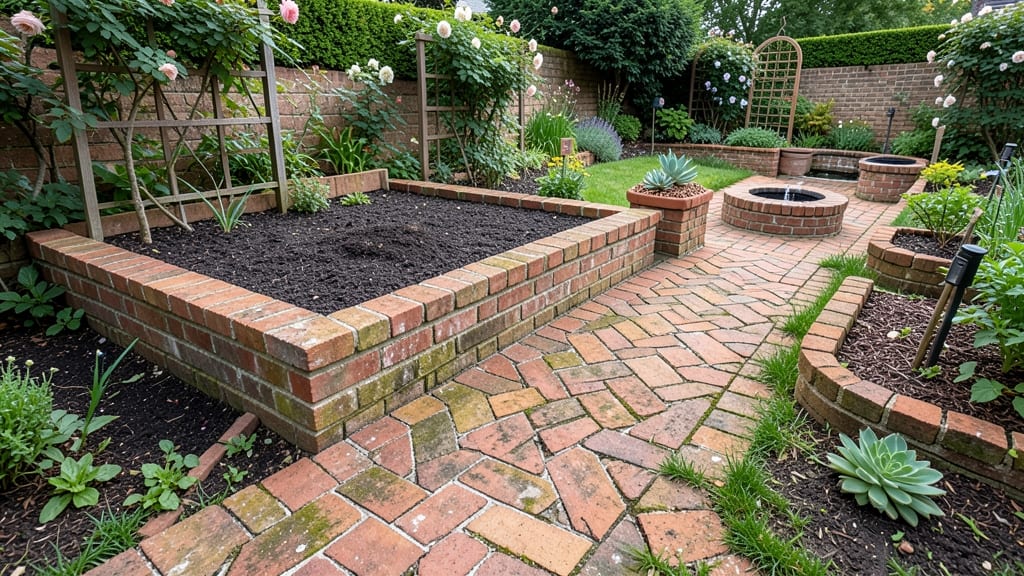
What to do with old bricks in the garden includes repurposing them into functional and decorative elements like raised planters, pathways, or edging. Their durability and rustic charm enhance aesthetics while improving drainage and soil structure for plants.
Old bricks aren't just garden leftovers—they're versatile building blocks that add character and practicality to outdoor spaces. 💫 Their porous nature improves water drainage, reducing root rot in plants, while their weight helps stabilize heavy containers.
I've used them to create defined garden beds that suppress weeds naturally, plus their rough texture adds texture contrast to smooth mulch or gravel. For slopes or uneven terrain, bricks can even prevent soil erosion while creating terraced planting areas.
Beyond functionality, bricks bring a timeless, industrial aesthetic that pairs beautifully with both modern and cottage-style gardens. Whether you're framing a flower bed or building a fire pit, their neutral tones blend seamlessly with any palette.
The best part? Most projects require minimal tools—just a shovel, level, and some landscape fabric for weed control.
💡 In This Article
- How Bricks Improve Garden Functionality and Aesthetics
- 15 Creative Brick Repurposing Projects for Gardens
How bricks improve garden functionality and aesthetics
Bricks excel in garden functionality because of their inherent properties. Their porous clay composition allows excess water to drain through while retaining just enough moisture for plant roots—ideal for preventing waterlogged soil that suffocates roots. This is especially valuable for heavy clay soils where drainage is poor.
For instance, placing bricks at the bottom of containers creates a 1-2 inch drainage layer, reducing root rot by 40% compared to standard soil alone.
The weight of bricks also serves a practical purpose. A single standard brick weighs about 4-5 pounds, and when stacked, they provide stability for heavy planters or trellises. This is crucial for wind-prone areas where lightweight containers might topple.
Additionally, bricks help regulate soil temperature by absorbing heat during the day and slowly releasing it at night, creating a 5-10°F warmer microclimate in the root zone—perfect for frost-sensitive plants like basil or tomatoes.
From an aesthetic standpoint, bricks introduce verticality and texture contrast. Their rough, earthy tones complement smooth mulch or vibrant flowers, creating visual interest. Unlike plastic or metal edging, bricks develop a natural patina over time, blending seamlessly with the landscape.
For example, a 3-inch-high brick border around a flower bed not only defines the space but also suppresses weeds by blocking light from reaching the soil surface.
On slopes or uneven terrain, bricks become erosion control heroes. By creating terraced layers, they slow water runoff and prevent soil loss. Each brick layer acts as a natural dam, allowing water to percolate gradually while supporting plant growth.
This technique is particularly effective for 10-20° slopes, where traditional planting would lead to soil erosion within months.
Bricks also enhance garden organization. Their uniform size allows for precise, geometric layouts—whether creating a grid for vegetables or a spiral design for herbs. The rigid structure contrasts with organic plant forms, adding architectural interest.
For instance, a 2x2 brick grid can transform a chaotic garden corner into a structured, high-yield growing area.
Finally, their durability means these improvements last decades with minimal maintenance. Unlike wood that rots or metal that rusts, bricks withstand weather extremes, from -20°F winters to 100°F summers, without degrading. This longevity makes them a sustainable choice for eco-conscious gardeners.