
Blooming
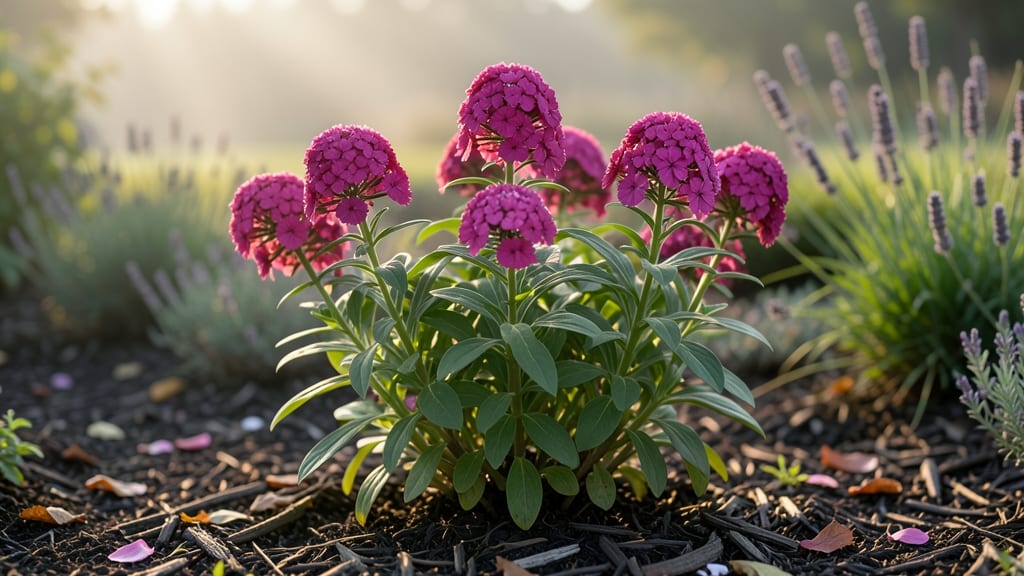
Garden phlox blooms between mid-June and late August, turning your summer garden into a riot of color 🌸 that hummingbirds can’t resist.
If you’ve ever wondered why your garden seems to explode with vibrant color just as summer peaks, garden phlox might be the secret behind it—but timing is everything.
These hardy perennials deliver a breathtaking floral display that can last weeks, but knowing exactly when to expect their blooms ensures you don’t miss a single show-stopping moment.
The exact timing depends on your USDA zone, with cooler climates like Zone 6a seeing blooms start slightly later, around early July. Warmer southern regions often kick off their phlox season as early as late June, giving you a head start on those summer color cravings.
Below, I’ll break down how to coax the longest blooms from your phlox, from deadheading tricks to soil secrets, so your garden stays in full bloom for as long as possible.
Garden phlox blooming seasons: exact timing by US hardiness zones
If you’ve planted garden phlox hoping to transform your late-summer garden into a vibrant canvas, timing is your secret weapon. These clumping and tall phlox varieties typically burst into bloom between June and August, but the exact window depends heavily on your USDA hardiness zone and local climate.
Understanding these patterns lets you plan for peak color and enjoy weeks of fragrant, butterfly-attracting blooms.
Cooler northern zones (like zones 3-5) often see early bloomers in late June, while warmer southern zones (like zones 8-9) may not reach their full glory until mid-to-late July.
Even within the same zone, microclimates—such as urban heat islands or shaded garden corners—can shift bloom times by 1-2 weeks. Let’s break down what to expect where you garden.
🌸 Pro Tip: Early-season phlox varieties (like ‘Early Call’) can start blooming as early as mid-June in zones 4-5, while late-season types (like ‘David’ phlox) might linger until early September in zones 6-7. This overlap creates a continuous color show if you mix varieties.
| USDA Zone | Typical Bloom Window | Peak Bloom Month | Duration (Weeks) | Climate Notes |
|---|---|---|---|---|
| Zones 3-4 | Late June – Early August | July | 4-5 weeks | Cooler summers; shorter bloom season |
| Zones 5-6 | Early June – Mid-August | Late June – July | 6-7 weeks | Ideal balance of heat and moisture |
| Zones 7-8 | Mid-June – Late August | July – Early August | 7-8 weeks | Longer season; may need afternoon shade |
| Zones 9 | Late May – September | June – July | 8-10 weeks | Extended season; may rebloom with care |
In zones 3-4, where summers are short, phlox often bloom earlier and more intensely to take full advantage of the warmest months. I’ve seen ‘Olympic Flame’ phlox in zone 4 gardens explode into color by July 4th, creating a dramatic backdrop for summer celebrations.
The trade-off? Their blooms may fade by early August unless you’re in a cooler microclimate.
Gardeners in zones 5-6 enjoy the sweet spot for phlox, with blooms stretching from early June to mid-August. This is where tall garden phlox varieties like ‘David’ truly shine, offering 6-7 weeks of continuous color if deadheaded regularly.
The key here is consistent moisture—phlox in these zones often benefits from drip irrigation during dry spells to maintain vibrant blooms.
Southern zones (7-9) can push phlox blooms later into the season, sometimes even into early September. However, heat stress in zone 9 gardens can cause early wilting. To combat this, I recommend planting phlox in morning sun with afternoon shade and mulching heavily to retain moisture.
Some varieties, like ‘Lipstick’ phlox, are bred for heat tolerance and can handle zone 9 summers with ease.
Don’t overlook altitude adjustments: Phlox in mountainous regions (even within zone 6) may bloom 2-3 weeks later than their lowland counterparts. For example, a zone 6 garden at 5,000 feet elevation might see peak blooms in early August instead of late July.
Always account for local growing degree days when planning your phlox display.
💧 Watering Wisdom: Phlox in zones 8-9 often need daily watering during peak bloom to prevent bud drop. In contrast, zone 4 phlox may only require watering every 5-7 days once established. Always water at the base of the plant to avoid fungal issues on the foliage.
For the longest possible bloom season, consider planting a mix of early, mid, and late-season phlox. For instance, pair ‘Early Call’ (early) with ‘David’ (mid) and ‘Blue Paradise’ (late) to create a 3-month color show. This strategy
How to extend your phlox blooms: pruning and care tips for longer color
Once your garden phlox starts blooming—typically in mid-June to late August—you’ll want to stretch that vibrant show as long as possible. The secret lies in consistent care that keeps your plants energized and ready to produce new flowers.
I’ve found that combining proper pruning with targeted watering and soil nutrition can extend blooms by 3-4 weeks or more.
Start by focusing on deadheading, which is the simplest way to encourage more blooms. When you remove spent flowers, you’re signaling the plant to redirect its energy toward producing new buds instead of seeding.
This small habit can transform a single burst of color into a continuous summer display that keeps your garden buzzing with activity.
Deadhead Regularly
Pinch off spent blooms every 2-3 days during peak bloom. Use clean pruners or your fingers to avoid damaging stems.
Water Deeply in Morning
Provide 1 inch of water weekly (more in drought). Water at soil level to prevent fungal diseases that thrive in wet foliage.
Fertilize Lightly After Blooming
Apply a balanced 10-10-10 fertilizer every 4-6 weeks during active growth. Stop fertilizing 6 weeks before first frost to harden off plants.
Adjust Light Exposure
Ensure 6+ hours of sunlight daily. If blooms fade early, consider partial shade in hot climates to prevent stress.
Mulch for Soil Health
Add 2-3 inches of mulch to retain moisture and regulate soil temperature. Use organic mulch like shredded bark or straw.
Don’t overlook the importance of seasonal pruning. After your phlox finishes blooming, cut back 1/3 of the plant’s height to encourage bushier growth next year. This late-summer trim also helps prevent powdery mildew, a common issue in crowded or humid gardens.
I’ve seen phlox beds thrive for years when given this simple post-bloom refresh.
For longer-lasting color, consider planting early, mid, and late-season varieties together. This staggered approach ensures your garden stays in bloom from June through September, creating a seamless transition of colors. Pair ‘David’ phlox (early bloomer) with ‘Lipstick’ phlox (late-season) for a non-stop floral parade.
With these care tips, your garden phlox will reward you with weeks of vibrant blooms that attract pollinators and brighten your outdoor space. The key is consistency—stay on top of deadheading, water wisely, and give your plants the nutrients they need to keep producing those stunning flowers.