
Blooming
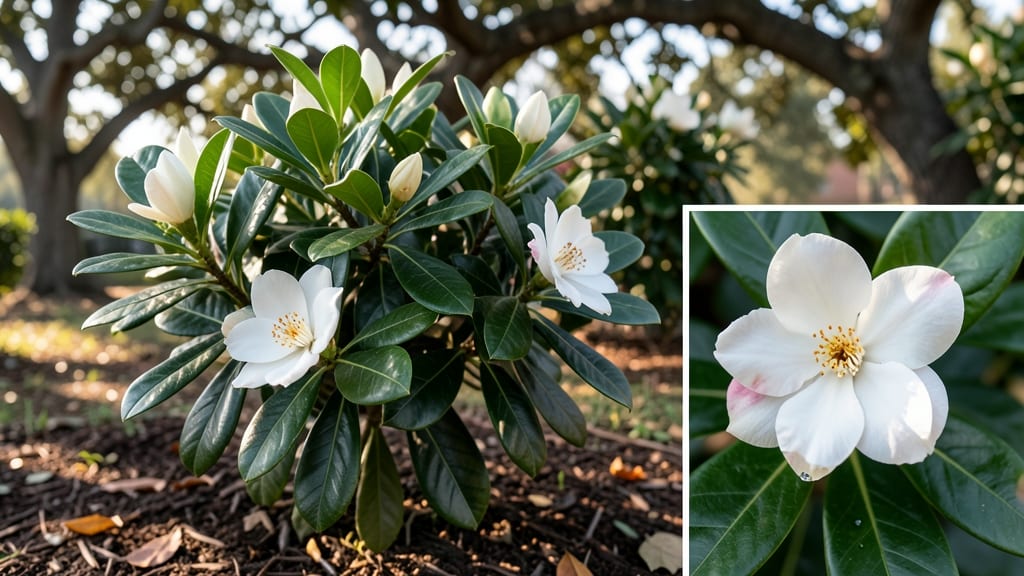
Gardenias bloom in late spring to summer, typically between May and August, though their timing shifts based on the specific variety and your local climate zone.
Most gardenias follow this seasonal pattern because they need consistent warmth and longer daylight hours to trigger blooming. 🌸 In cooler regions like USDA Zones 7-9, expect blooms to start around late May or June and continue until frost, while tropical varieties in Zones 10-11 may flower year-round with occasional breaks.
The Cape Jasmine variety, for example, often blooms in late summer, while Radicans gardenias may produce flowers in early spring before the main flush. Understanding your zone helps predict when to expect those signature white, fragrant blooms.
What's fascinating is how gardenias "read" their environment—temperature fluctuations or sudden cold snaps can delay blooms, while proper care (like acidic soil and partial shade) keeps them on schedule.
I've found that pruning after blooms fade in late summer encourages stronger next-year flowers, and a balanced 10-10-10 fertilizer in early spring gives them the boost they need.
💡 In This Article
- Gardenia Bloom Timing by Variety and Climate
- Tips to Encourage Gardenia Blooms on Schedule
Gardenia bloom timing by variety and climate
Gardenia blooms are triggered by a combination of temperature and daylight hours, with most varieties needing consistent warmth above 60°F (15°C) and at least 12-14 hours of daylight per day.
The most popular variety, Gardenia jasminoides, typically blooms in late spring to early summer because its natural flowering cycle aligns with these conditions.
In USDA Zone 8 (like Atlanta or Dallas), you'll often see blooms starting in late May, while in Zone 9 (such as Miami or Los Angeles), blooming may begin as early as April and continue until October.
The difference comes down to how quickly the soil warms—gardenias are frost-sensitive, and even a light freeze can delay blooms until temperatures stabilize.
The Gardenia augusta variety, known for its larger flowers, tends to bloom slightly later than jasminoides, often in June or July, because it requires even more consistent warmth.
Tropical varieties like Gardenia radicans (Cape Jasmine) sometimes break this pattern by producing blooms in late summer or early fall, especially in Zones 10-11 where frost is never a concern. What's fascinating is how these plants use photoperiodism—they "count" daylight hours to time their blooms.
When days start shortening in late summer, some varieties (like augusta) may even produce a second, smaller flush of flowers before dormancy.
Climate plays a huge role in bloom timing because gardenias are native to tropical and subtropical regions. In Zone 7 or cooler, gardeners often treat them as annuals or container plants, moving them indoors before frost.
This disrupts their natural cycle, which is why you might see blooms delayed until July or August—the plants are essentially "catching up" after a cooler spring. Meanwhile, in Zone 11, gardenias may bloom year-round with only minor pauses during the hottest months, when temperatures exceed 90°F (32°C).
The key takeaway? Your local climate dictates whether you'll enjoy a single spectacular bloom season or a staggered display throughout the year.
Frost sensitivity is another critical factor. Gardenias can't tolerate temperatures below 30°F (-1°C) for more than a few hours, which is why northern gardeners often see blooms pushed later into summer. Even a 32°F (0°C) night can damage buds, causing them to drop or delay opening.
This is why Gardenia jasminoides in Zone 6 might not bloom until July, while the same variety in Zone 9 could start as early as May.
The plant's response to cold is almost like a biological reset—it waits for stable warmth before committing to flowering, ensuring it doesn't waste energy on blooms that would be damaged.
Here's a quick comparison of how varieties and zones affect bloom timing:
- Zone 7-8 (e.g., St. Louis, Raleigh): Blooms June-August, often delayed by spring frosts
- Zone 9-10 (e.g., Orlando, San Diego): Blooms April-October, with possible year-round flowering in Zone 11
- Tropical varieties (e.g., radicans): Late summer/fall blooms in warm climates
- Container-grown gardenias: Blooms may shift 2-4 weeks later due to temperature fluctuations
The most reliable bloomers are those grown in their ideal Zone 9-10 range, where they experience minimal temperature swings. In these conditions, gardenias often produce their first buds within 6-8 weeks of stable warmth, followed by continuous blooms every 2-3 weeks throughout the growing season.
This is why southern gardeners can count on gardenias as a near-perennial bloomer—once established, they reward patience with months of fragrant, creamy-white flowers. 🌸