
Picking
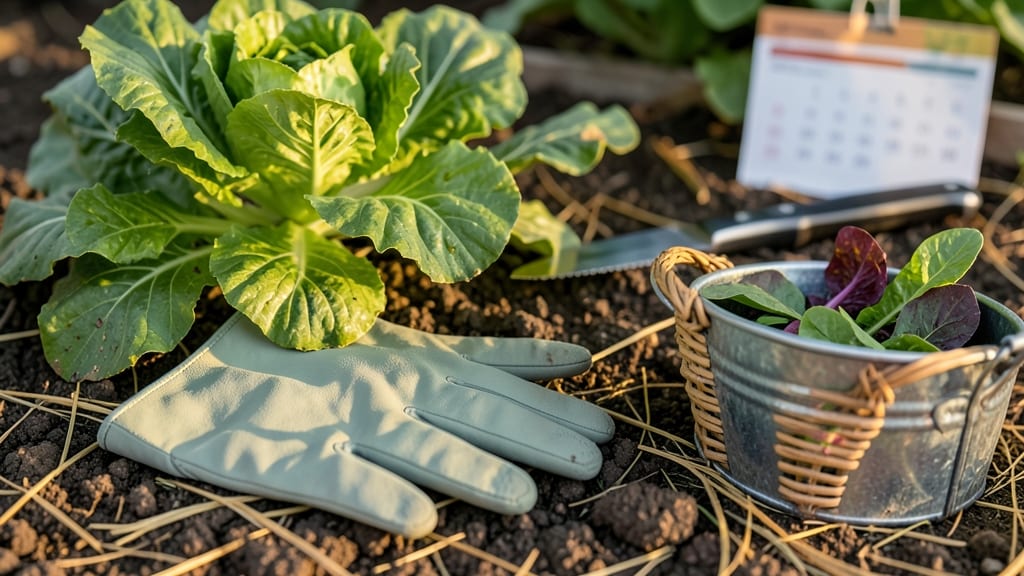
Garden lettuce is ready to pick when leaves reach 4-6 inches and feel crisp to the touch — timing your harvest this way keeps your 🥬 plants productive for weeks.
Wondering why your garden lettuce isn't producing crisp, flavorful leaves? The secret lies in knowing exactly when to harvest—before bitterness sets in or the plant bolts. Mastering the leaf-by-leaf technique ensures a continuous supply of fresh greens all season long.
For loose-leaf varieties, you can start harvesting outer leaves as soon as they reach 3-4 inches, while head lettuce should wait until the entire head feels firm and tightly packed. This simple check prevents overgrowth and keeps your plants happy.
In this guide, I’ll break down the exact visual cues to look for, the best harvesting tools to use, and how to avoid common mistakes that ruin your yield—so you can enjoy fresh, homegrown lettuce all season.
How to identify perfectly harvest-ready lettuce leaves (with visual cues)
Knowing when to harvest your garden lettuce is the key to enjoying crisp, flavorful leaves instead of bitter or bolted greens. The perfect harvest moment arrives when leaves reach their ideal size, texture, and color—before the plant sends up a flower stalk.
For loose-leaf varieties, this often happens in just 30-45 days, while head lettuces like romaine or iceberg take 45-60 days to mature.
Timing your harvest correctly prevents two common pitfalls: harvesting too early, which means small, underdeveloped leaves, or waiting too long, which leads to tough, bitter, or woody stems. The good news?
Lettuce is one of the most forgiving crops to harvest—you can pick leaves as they mature without harming the plant. This leaf-by-leaf approach even encourages continuous growth, giving you a steady supply of fresh greens all season.
Visual cues are your best friend when determining harvest readiness. Focus on three key indicators: leaf size, color intensity, and stem crispness. For example, butterhead lettuce is ready when leaves reach 3-4 inches, while romaine should be 6-8 inches tall with tightly packed leaves. Below, we’ll break down these cues in a side-by-side comparison to help you spot the perfect moment.
| Cue | Mature Lettuce (Ready to Harvest) | Overripe Lettuce (Past Prime) |
|---|---|---|
| Leaf Size | 3-6 inches (varies by variety) | 7+ inches (leaves become large and floppy) |
| Color | Vibrant, deep green, red, or purple | Pale, yellowing, or dull |
| Texture | Crisp, firm, and tender | Tough, bitter, or woody stems |
| Stem | Crisp when bitten, no hollow sound | Hollow or spongy when bitten |
| Growth Stage | Leaves fully formed, head tight (for head lettuce) | Flower stalk (bolt) emerging or leaves curling |
For loose-leaf varieties like oakleaf or red sails, start harvesting the outer leaves when they reach 3-4 inches. These varieties regrow quickly, so you can pick a few leaves every 2-3 days without harming the plant.
The goal is to keep the center leaves healthy so they can continue growing. Use clean, sharp scissors or fingers to snip or pluck leaves just above the base where new growth emerges.
Head lettuces, such as romaine or iceberg, require a slightly different approach. Harvest the entire head when the outer leaves are fully formed and the head feels firm to the touch. Gently grasp the base of the head and twist it off cleanly.
If you notice the inner leaves are still small, wait a few more days—they’ll catch up! Avoid harvesting head lettuce by pulling individual leaves, as this can damage the plant and reduce yield.
One of the biggest mistakes gardeners make is waiting too long to harvest. When lettuce matures past its prime, it develops bitter compounds and tough fibers, ruining the tender texture you love.
Pay attention to the color shift: mature lettuce leaves are a deep, rich green (or red/purple for colored varieties), while overripe leaves may turn yellow or brown at the edges. Additionally, check the stem—if it sounds hollow when bitten, it’s past its peak.
Seasonal timing also plays a role in harvest readiness. In spring and fall, lettuce grows quickly due to cooler temperatures, while summer heat can cause it to bolt prematurely. To extend your harvest season, provide partial shade during hot afternoons and keep the soil consistently moist.
Mulching around the base of the plant helps maintain even moisture and prevents temperature fluctuations that trigger bolting.
Pro tip: Harvest your lettuce in the morning after the dew has dried but before the sun intensifies. This ensures the leaves are crisp and full of moisture. Store harvested leaves in a perforated plastic bag in the fridge, where they’ll stay fresh for up to 5-7 days.
For the best flavor, use them within 2-3 days of picking.
By mastering these visual cues and harvesting techniques, you’ll enjoy a continuous supply of fresh, flavorful lettuce all season long. The more you practice, the easier it becomes to spot the perfect moment—before bitterness sets in or the plant bolts. Happy harvesting! 🥬
Leaf-by-leaf harvesting schedule: when and how to pick for maximum yield
Timing your lettuce harvest is everything—pick too early, and you waste potential; too late, and you risk bitterness or bolting. The key is a leaf-by-leaf approach that keeps your plants producing fresh greens for weeks.
Unlike head lettuce, loose-leaf varieties thrive when you harvest outer leaves first, allowing the center to regrow.
For head lettuce varieties like romaine or iceberg, wait until the entire head feels firm and reaches its mature size (typically 30-60 days after planting). But for butterhead or leaf lettuce, you can start harvesting as soon as the outer leaves reach 3-4 inches.
This method extends your harvest by 4-6 weeks per plant!
📅 Weekly Harvesting Timeline by Lettuce Type
- Loose-Leaf Varieties (e.g., Oakleaf, Red Sails): Start harvesting outer leaves at 3-4 weeks (4-6" long). Repeat every 7-10 days for continuous yield.
- Butterhead (e.g., Bibb, Boston): Harvest outer leaves at 5-6 weeks. For full heads, wait 7-8 weeks until tightly closed.
- Romaine/Cos (e.g., Paris Island): Pick individual leaves at 6-7 weeks (6-8" tall). For whole heads, harvest at 8-10 weeks when crisp.
- Iceberg: Harvest only whole heads at 9-12 weeks—no leaf-by-leaf picking! Look for firm, compact heads.
Use the right tools to minimize damage: Clean scissors or sharp pruners work best for larger leaves, while your fingers are perfect for delicate varieties. Always cut or pinch just above a leaf node (where new growth emerges) to encourage regrowth. Avoid tearing leaves—this stresses the plant and invites pests.
Morning is the best time to harvest lettuce. The leaves are crispest and coolest, and you’ll avoid the afternoon heat that can cause bolting (when lettuce sends up a flower stalk).
After harvesting, rinse leaves in cool water and store them in a perforated plastic bag in the fridge for up to 5-7 days.
Pro tip: If your lettuce starts to bolt (sends up a tall flower stalk), it’s time to harvest everything immediately—the leaves will become bitter and tough. This is especially common in hot weather or when days get longer.
For a second crop, let a few plants bolt, collect the seeds, and replant them in fall for a late-season harvest.
With this schedule, you’ll enjoy fresh lettuce for months—no more sad, wilted greens in your garden! The secret is consistency: check your plants weekly, harvest selectively, and watch your yield soar. Happy harvesting! 🥬