
Planting
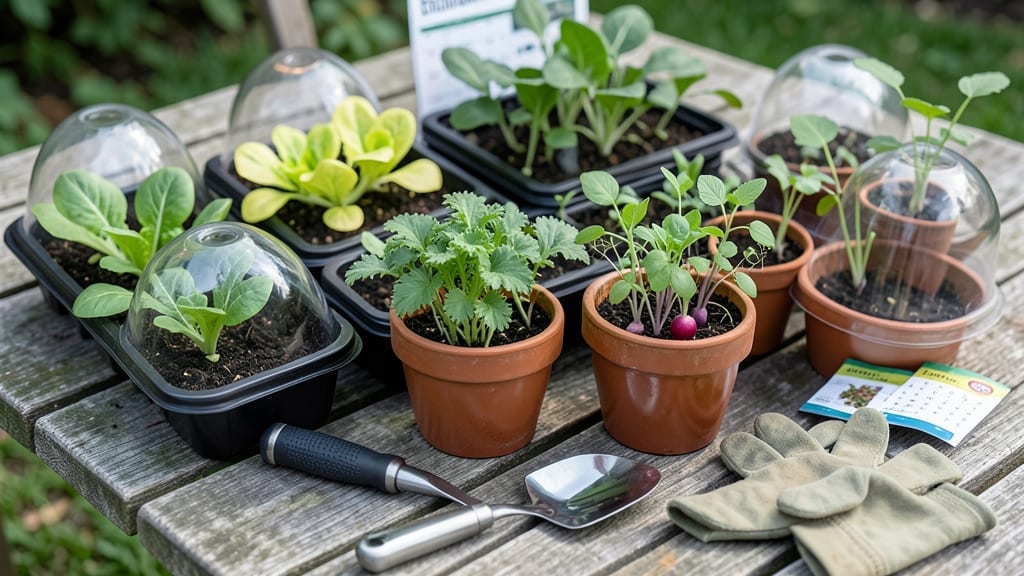
The best time to plant a garden in Michigan is after the last frost date, typically between late April and mid-June for spring crops, and again in late August to early September for fall harvests.
Michigan’s unpredictable spring weather can turn your gardening dreams into a guessing game—but knowing the exact planting windows for your USDA Zone (5b or 6b) ensures your 🌱 vegetables and flowers thrive year after year.
Cool-season crops like lettuce and peas can go in as early as March, while tomatoes and peppers need warmer soil—wait until mid-May in most areas. The Upper Peninsula’s colder microclimate may delay planting by a week or two compared to Detroit or Grand Rapids.
Below, I’ll break down the ideal planting schedule by crop, share tricks for adjusting to late frosts, and highlight the fastest-growing plants for second-chance gardeners.
Michigan planting calendar by crop type: USDA Zone 5b vs 6b differences
Michigan’s USDA Zones 5b and 6b experience subtle but critical differences in frost dates and growing seasons. Zone 6b (southern Michigan) enjoys 10–14 extra frost-free days compared to Zone 5b (northern Michigan), which can mean the difference between a bountiful harvest and a disappointing one.
Understanding these month-by-month planting windows helps you align your garden with nature’s rhythm.
For cool-season crops like spinach, kale, and peas, Zone 6b gardeners can start planting 2–3 weeks earlier than their Zone 5b counterparts. Meanwhile, warm-season staples such as tomatoes, peppers, and cucumbers benefit from the extended growing season in Zone 6b, allowing for a second planting in late summer.
Perennial flowers also thrive with these timing adjustments, blooming longer in warmer microclimates.
Here’s a side-by-side comparison of planting windows for both zones, including key frost dates and ideal soil temperatures to ensure your garden gets off to the right start.
In Zone 5b, where the last frost typically arrives around May 15, cool-season crops like peas and spinach can be sown as early as mid-April under protective row covers. However, warm-season crops such as tomatoes and peppers must wait until late May to avoid frost damage.
The first frost in Zone 5b usually hits around October 15, leaving a 140–150-day growing season for warm-season plants.
Zone 6b gardeners enjoy a longer window, with the last frost often occurring by May 1. This allows for earlier plantings of cool-season crops and a second planting of warm-season crops like beans or cucumbers in late July.
The first frost in Zone 6b may not arrive until October 30, extending the growing season to 160–180 days. This extra time is perfect for perennial flowers like coneflowers, which can establish roots earlier and bloom more prolifically.
For both zones, soil temperature is a critical factor. Use a soil thermometer to confirm that the ground has warmed to at least 50°F (10°C) for cool-season crops and 60°F (15°C) for warm-season plants.
In Zone 5b, this might mean waiting until early June for tomatoes, while Zone 6b gardeners can plant them by mid-May.
Don’t overlook the power of microclimates in Michigan. Urban areas like Detroit (Zone 6b) often experience slightly warmer temperatures than rural regions in Zone 5b. If you’re in
How to adjust planting times for Michigan’s unpredictable weather patterns
Michigan’s unpredictable spring frosts and variable frost-free dates can leave gardeners scrambling. Detroit’s last frost typically arrives by May 10th, while rural areas like Traverse City may wait until May 20th. Even within USDA Zone 5b-6b, these differences matter—especially for warm-season crops like tomatoes and peppers.
To protect your garden, I’ve learned to stagger planting dates by 2–3 weeks and use row covers for early starts.
For example, spinach can handle light frosts, but cucumbers need soil temps above 60°F—so I wait until late May for them. Microclimates also play a role: urban areas like Grand Rapids warm faster than Upper Peninsula farms.
⚠️ callout-warning ⚠️
For fall planting, I aim for late August to give crops like kale and carrots time to mature before the first frost (usually October 15th in Detroit). Succession planting every 2 weeks ensures a steady harvest. For example, radishes mature in 25 days, so I plant them every 10 days from May to July.
If a late frost hits, don’t panic. Row covers (like Reemay fabric) add 5–8°F of protection.
For container gardens, move pots to a sheltered spot or under a garage roof. Cold-hardy crops like peas and lettuce can even handle light frosts—their flavor improves with a touch of chill!
To extend the season, I use cold frames or low tunnels in early spring. These raise soil temps by 10–15°F, letting me plant spinach and onions as early as April 1st.
Just remember: Ventilate on warm days to prevent overheating. For perennials, mulch with straw to insulate roots during fall frosts.
Pro tip: Bookmark the Michigan State University Extension’s frost maps—they update last-frost dates annually. By adjusting for your local microclimate and using season extenders, you’ll turn Michigan’s unpredictable weather into an advantage. Happy (and frost-free) gardening! 🌱