
Planting
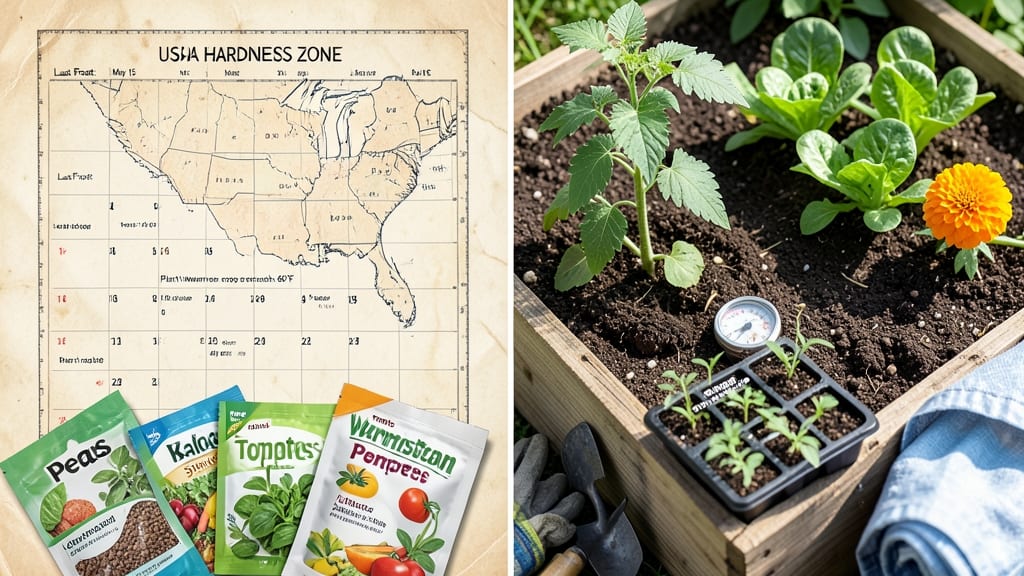
Planting a garden in Michigan at the right time means the difference between a bountiful harvest and a sad pile of frost-nipped seedlings.
Michigan’s unpredictable frost dates can turn your gardening dreams into a gamble—unless you know the exact window to plant for zero-frost risk crops.
I’ve learned the hard way that waiting too long leaves you scrambling as summer slips away, while planting too early risks a late frost wiping out weeks of work.
Whether you’re in the Upper Peninsula’s cooler Zone 4 or the warmer Zone 6 of southern Michigan, timing matters more than seed variety or soil prep.
The key is understanding your region’s last frost dates and adjusting for microclimates—like urban heat islands or sheltered valleys—that can shift your planting window by weeks.
In this guide, I’ll break down the science-backed deadlines for cool-season and warm-season crops, plus how to use soil thermometers and frost forecasts to lock in the perfect moment. By the end, you’ll know exactly when to plant for a garden that thrives—no guesswork, no wasted seeds.
Michigan’s planting zones: last frost dates by region (2024 data)
Michigan’s USDA Hardiness Zones 4-6 create dramatic differences in frost timing—sometimes 3+ weeks between regions. Without precise data, your tomatoes or peppers could turn to mush overnight. Let’s break down the 2024 average last frost dates by Michigan’s four key regions so you can plant with confidence.
First, understand that Michigan’s frost dates aren’t just about latitude—the Great Lakes and urban heat islands create microclimates where your neighbor’s garden might be 10°F warmer.
The Upper Peninsula (Zone 4) often sees frost until May 20-30, while the Thumb region (Zone 6) might be frost-free by April 20. These differences matter for warm-season crops like basil and cucumbers.
Here’s the critical data you need to time your planting perfectly:
| Region | USDA Zone | Avg Last Frost | Zero-Frost Risk Date | Key Adjustments |
|---|---|---|---|---|
| Upper Peninsula | 4a-4b | May 15-30 | June 10-20 | Wait for soil ≥50°F; use row covers for early starts. |
| Northern Lower Peninsula | 5a-5b | May 5-15 | May 25-June 5 | Lakeside areas warm faster; monitor local forecasts. |
| Southern Lower Peninsula | 6a | April 20-May 5 | May 10-20 | Urban areas (Detroit, Ann Arbor) may be 1 week earlier. |
| Thumb Region | 6b | April 10-20 | April 25-May 10 | Warmest zone; can plant spinach and peas as early as March. |
For cool-season crops like kale or carrots, you can plant 4-6 weeks before your last frost date. But warm-season crops like tomatoes and peppers need soil temperatures above 60°F—wait until after your zero-frost risk date to avoid disaster. Pro tip: Use a soil thermometer to confirm warmth before planting.
Microclimates can shift your planting window by 1-2 weeks. If you’re near Lake Michigan, water temperatures can delay frost by 10-14 days. Urban gardens in Detroit or Grand Rapids often warm up faster due to heat islands. Always check NOAA’s frost prediction maps for real-time adjustments.
Adjust for elevated gardens too—they warm up 2-3 days faster than in-ground soil. If you’re using black plastic mulch, you can plant warm-season crops 7-10 days earlier by trapping heat. For cold frames, extend your season by 3-4 weeks on both ends.
Remember: First frost dates matter just as much. The Upper Peninsula typically sees frost by September 20-30, while the Thumb region might hold until October 10. Plan your fall planting accordingly—broccoli and kale thrive in cooler weather and can be sown 6-8 weeks before your first frost.
Start with hardy crops like peas or lettuce in early spring, then transition to tomatoes and squash after your last frost. For container gardening, move pots to warmer microclimates (like south-facing patios) to extend your season by 2-3 weeks.
Use these dates as your baseline, but always verify with local Cooperative Extension Service reports. Michigan’s weather is unpredictable—have backup row covers ready for late frosts, and you’ll be harvesting like a pro by summer.
Zero-frost risk planting calendar: best crops by month for Michigan gardens
Michigan’s growing season is short but sweet—if you time it right. Warm-season crops like tomatoes and peppers need soil at 60°F+ to thrive, while cool-season spinach and carrots can handle chilly soil as low as 40°F.
The key is planting when frost risk drops below 10% for your zone, ensuring your veggies mature before fall’s first freeze. Let’s break it down month by month to avoid those heartbreaking late-spring frosts.
Start with cool-season crops in early spring—think lettuce, radishes, and peas—as soon as soil is workable (40-45°F). These hardy plants tolerate light frosts and can even sweeten up after a chill.
For warm-season staples, wait until after your region’s last frost date (typically May 10-20 in Southern Michigan, May 25-June 5 in Northern zones). Use row covers or cold frames to extend early planting windows if needed.
🌱 Zero-Frost Risk Planting Calendar for Michigan
- April: Direct-sow spinach, carrots, and onions (soil 40°F+). Start indoor seedlings for tomatoes and peppers.
- May: Plant lettuce, radishes, and peas outdoors after last frost. Transplant tomato seedlings when soil hits 60°F (use black plastic mulch to warm soil faster).
- June: Sow beans, squash, and cucumbers (soil 65°F+). Succession plant bush beans every 2 weeks for continuous harvests.
- July: Direct-sow fall lettuce and kale for harvest before frost. Transplant late-season tomatoes with row covers for extended production.
- August: Plant garlic for next year and hardy greens like swiss chard. Avoid planting warm-season crops—focus on cool-season prep.
Pro Tip: Use companion planting to protect crops—pair basil with tomatoes to deter pests or marigolds with carrots to repel nematodes. 🌿
For Southern Michigan (Zones 5-6), you can push the envelope with early tomatoes by using warm season row covers or a mini greenhouse.
In the Upper Peninsula (Zone 4), wait until June 1 for warm-season crops and opt for faster-maturing varieties like ‘Early Girl’ tomatoes (55 days to harvest) or ‘Quick Pick’ cucumbers (50 days).
Don’t forget about succession planting—it’s your secret weapon for a long harvest. For example, sow bush beans every 2 weeks from June to July to keep the pods coming. Similarly, radishes mature in just 30 days, so you can plant them every 2 weeks all summer long.
Pair this with mulching to retain soil moisture and regulate temperature, especially during Michigan’s unpredictable late-spring rains or early-fall frosts.
Extend your season even further with cold frames or low tunnels. These simple structures can add 2-4 weeks to your growing season, letting you harvest spinach into November or start spring onions in March.
Just remember: ventilate on warm days to prevent overheating, and remove covers during heavy rains to avoid waterlogging. With these strategies, you’ll turn Michigan’s short season into a year-round gardening advantage.
Start planning now by marking your last frost date on the calendar and working backward from your target harvest date. For most tomatoes, that’s 70-85 days before the first frost—so if your frost date is October 10, plant by July 1 for a late-season bounty. Happy planting! 🌱