
Tools
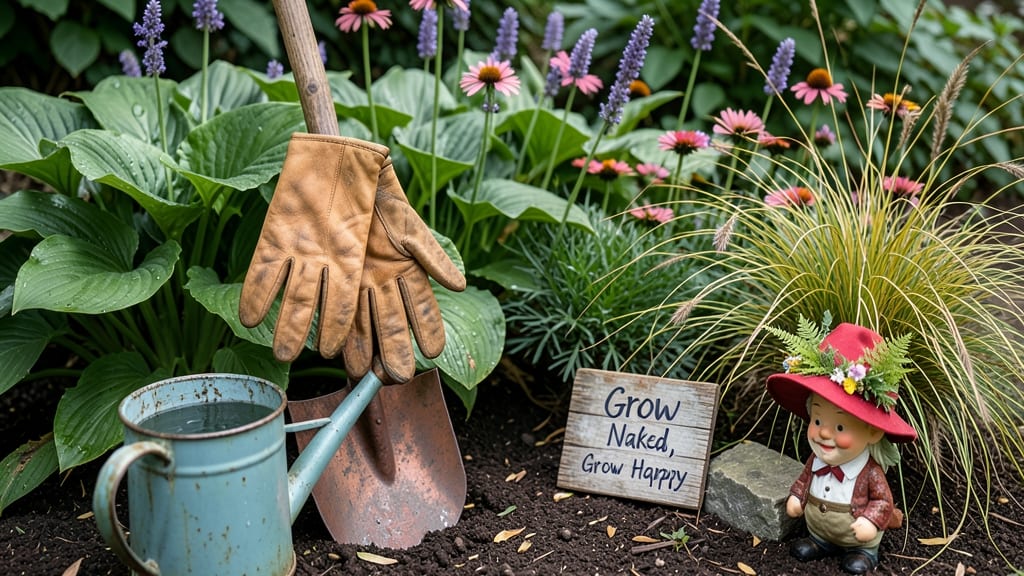
World Naked Gardening Day takes place every year on June 15, marking a playful yet meaningful celebration of gardening stripped down to its most natural form. This global event combines environmental awareness with body positivity, inviting participants to connect with nature without clothing barriers.
This annual celebration isn't just about shedding clothes—it's about shedding inhibitions too. 🌿 The movement began as a way to highlight the natural, unfiltered act of gardening while promoting sustainability and self-acceptance. What started as a niche event in 2013 has grown into a worldwide phenomenon, with thousands participating annually.
Whether you're a seasoned gardener or a curious beginner, this day offers a unique opportunity to embrace the outdoors in its purest form.
For those new to the concept, the key is to focus on the experience rather than the expectations. Many participants choose private gardens or community spaces where they feel comfortable, while others join public events organized by local groups.
The emphasis remains on respect—both for yourself and the environment. It's a chance to reflect on how we interact with nature and our own bodies without judgment.
💡 In This Article
- The Origins and Meaning Behind Naked Gardening
- How to Participate Safely and Responsibly in 2024
The origins and meaning behind naked gardening
The concept of naked gardening emerged from a desire to reconnect with nature in its most unfiltered form. Founded in 2013 by a group of activists in the UK, the movement was inspired by the idea that clothing can create a barrier between humans and the natural world.
By removing this physical barrier, participants aim to experience gardening more authentically—feeling the earth beneath their bare feet, sensing the breeze on unobstructed skin, and truly appreciating the raw beauty of plants and soil. 🌱 This philosophy aligns with permaculture principles, where direct interaction with the environment is emphasized for deeper ecological understanding.
The symbolic meaning goes beyond just physical exposure. Gardening without clothing represents a form of vulnerability and trust—both in oneself and in the community. Psychologically, this act can reduce social anxiety by normalizing body diversity in a natural setting.
Studies show that exposure to nature lowers cortisol levels (the stress hormone), and removing clothing can amplify this effect by eliminating the mental filters we often apply when dressed.
The movement also critiques consumer culture's obsession with clothing as a status symbol, instead promoting the idea that our bodies are tools for connecting with the earth.
What makes this celebration unique is its dual focus on environmentalism and body positivity. Many participants use the day to highlight issues like deforestation, pesticide use, or water conservation while enjoying their gardens.
The event's timing in June coincides with peak gardening season in the Northern Hemisphere, when plants are most vibrant and the weather is ideal for outdoor activities. This strategic scheduling maximates both participation and environmental impact—participants often plant native species or focus on sustainable gardening practices during their time outdoors.
The global growth of this movement reflects changing attitudes toward both nature and body image. What began as a small-scale UK initiative now attracts participants from over 50 countries, with dedicated Facebook groups, Instagram hashtags (#WNGD), and even corporate sponsorships for eco-friendly gardening tools.
The event has successfully challenged societal norms by creating safe spaces for people of all body types and backgrounds to engage with nature without judgment. This inclusivity is a core tenance—participation isn't about performance or aesthetics, but about genuine connection to the earth and community.
Interestingly, the movement has also sparked scientific curiosity. A 2019 study published in the Journal of Environmental Psychology found that participants reported significantly higher feelings of well-being after naked gardening sessions compared to clothed gardening.
The researchers attributed this to increased sensory input (touch, temperature, wind) and reduced cognitive load from clothing choices. This scientific validation has helped legitimize the practice beyond its activist roots, showing that there's actual physiological benefit to this form of natural engagement. 🌿
For those curious about the movement's evolution, it's worth noting how it's adapted to modern challenges. While the core concept remains unchanged, organizers now provide extensive safety guidelines, including recommendations for sun protection (even when gardening without clothing), hydration strategies, and location selection.
This practical evolution demonstrates how the movement balances its radical origins with real-world accessibility, ensuring participants can enjoy the benefits without unnecessary risks.