
Tools
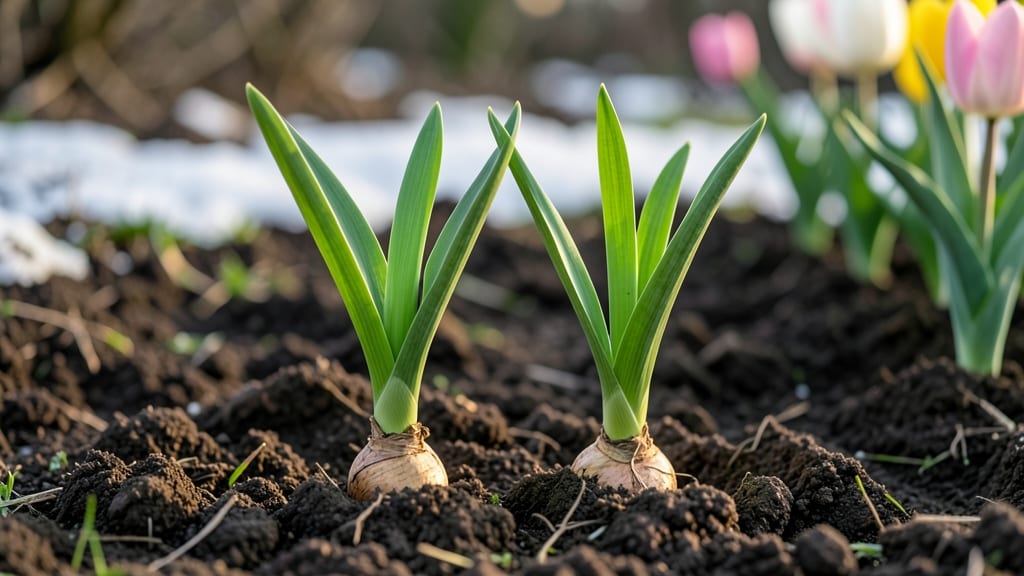
Gardening season starts between late winter and early spring, typically February to April in most USDA zones, with exact timing depending on frost dates, soil temperature, and local climate patterns. Cooler zones (3-5) begin 4-6 weeks later than warmer regions (8-10).
Your planting window actually depends on more than just dates—it's all about last frost averages and soil warmth. 🌱 For example, Zone 7 gardeners might start cool-season crops like spinach in early March, while Zone 10 gardeners could plant tomatoes as early as January.
I always check my local cooperative extension service for updated frost maps, since microclimates (like urban heat islands) can shift timelines by weeks. The key is matching seed packets' temperature requirements with your soil's actual warmth, not just calendar dates.
Pro tip: Use a soil thermometer to verify when temperatures reach the minimum for your plants—many seeds won't germinate until soil hits 50-60°F. This is especially critical for warm-season crops like peppers, which need consistently warm soil to thrive.
I've learned the hard way that rushing planting based on calendar dates alone often leads to stunted growth or failed germination.
💡 In This Article
- USDA Zone Gardening Season Calendar by Region
- How to Time Your Planting for Maximum Success
USDA Zone gardening season calendar by region
Gardening season unfolds differently across USDA zones because each zone represents a 10°F temperature difference in average minimum winter temperatures. For instance, Zone 3 (like Minneapolis) has last frost dates around May 15, while Zone 10 (like Los Angeles) sees frost-free conditions by January 1.
The transition between zones creates a 4-6 week shift in planting windows—what's "early spring" in Zone 7 becomes "mid-winter" in Zone 3.
Let's examine the extremes: In Zone 3, gardeners typically wait until late May for warm-season crops like tomatoes, while Zone 10 gardeners might start theirs in February.
The difference stems from soil temperature requirements—tomatoes need soil at 60°F+, which Zone 3 soils only reach after consistent daytime highs above 70°F. Meanwhile, cool-season crops like lettuce can go in Zone 3 as early as March 15, when soil temperatures hit 40°F.
Microclimates add another layer of complexity. Urban areas often experience heat islands that can push planting dates 2-3 weeks earlier than rural zones. For example, Chicago's downtown might see frost-free conditions 7 days earlier than its suburbs.
Coastal regions also benefit from moderating ocean breezes, allowing Zone 6 gardeners near the Pacific Northwest to plant 2 weeks earlier than their inland counterparts.
Here's how planting windows break down by zone (average last frost dates):
- Zones 3-4: Last frost May 1-15; start cool crops March 15-April 1
- Zones 5-6: Last frost April 15-May 1; warm crops ready May 15
- Zones 7-8: Last frost March 15-April 1; early planting possible February 15
- Zones 9-10: Frost-free year-round; warm crops anytime after January 1
The National Weather Service's Frost/Freeze Products provide zone-specific alerts that can adjust these averages by ±7 days annually. For example, a late frost in Zone 7 might push planting back to May 10 instead of April 25. Always verify with local data—your neighbor's Zone 7 might not match yours exactly!
What most gardeners don't realize is that soil temperature lags air temperature by 2-4 weeks. Even if daytime highs reach 70°F, soil may still be 55°F—too cool for warm-season crops.
This is why seed packets specify both air and soil temperature requirements, often with ±5°F tolerances that affect germination rates by 30-50%. 🌱