
Planting
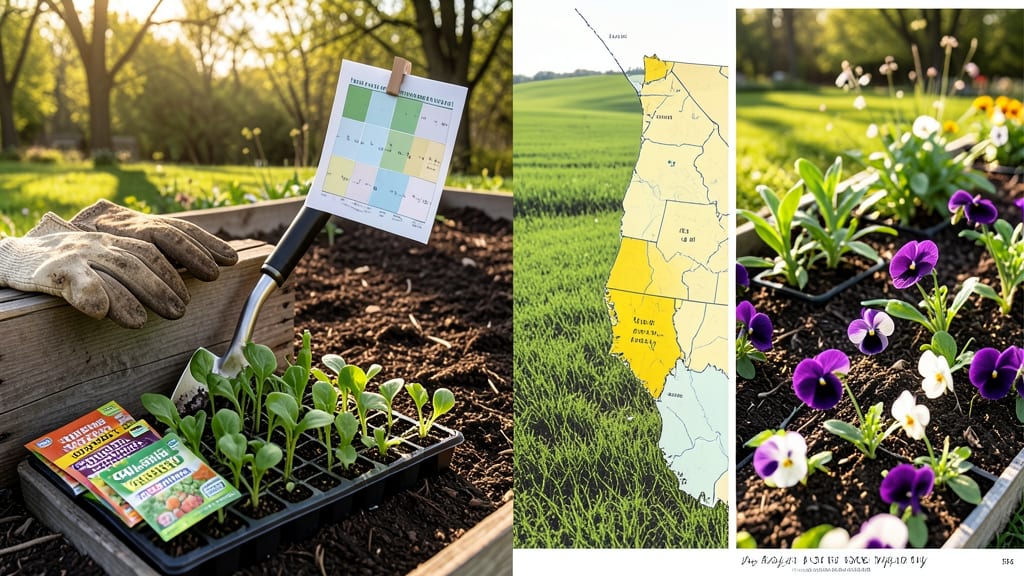
Planting your garden in Michigan at the right time means beating frost for cool crops and waiting for soil warmth for heat-lovers — a balance that makes all the difference between a thriving harvest and a wasted season.
Michigan’s unpredictable spring weather can turn gardening into a guessing game—plant too early, and frost ruins your crops; too late, and you miss the growing season. But with the right timing, you can maximize yields for everything from hardy greens to heat-loving tomatoes.
Whether you’re in Detroit’s USDA Zone 6b or the Upper Peninsula’s Zone 4b, knowing when to start seeds indoors, set out transplants, and succession-plant for fall harvests is the key to a productive garden year-round.
Below, I’ll break down the exact windows for cool-season starts, frost-tolerant veggies, and warm-season plants — plus how to stretch your season with row covers and soil warmers — so you never miss a planting opportunity again.
Michigan’s planting zones & last frost dates by region (2024 guide)
Michigan’s diverse climate—from the Upper Peninsula’s cold winters to Detroit’s urban heat islands—means planting times vary dramatically. Understanding your USDA zone (4b-6a) and last frost dates is key to avoiding frost damage while maximizing your garden’s potential.
Whether you’re in Traverse City’s coastal moderation or Grand Rapids’ inland chill, timing makes all the difference.
Most of Michigan falls within USDA Zones 4b and 5a, with pockets of Zone 6a in southern regions like Detroit. These zones dictate which plants thrive, but microclimates—like lakeside areas or city sidewalks—can shift your frost dates by 1-3 weeks.
For example, Grand Haven’s lakeshore may warm faster than inland Muskegon.
Use this guide to pinpoint your last frost date (typically April 15–May 15 in most regions) and adjust for warm-season crops needing soil temperatures above 60°F. Pro tip: Monitor local National Weather Service forecasts or plant busy Lizzie flowers as frost indicators—they wilt when temps drop below 32°F.
🌱
Your last frost date isn’t set in stone—it shifts yearly due to La Niña/El Niño patterns. For 2024, check the Midwestern Regional Climate Center for updates.
If you’re in Zone 6a like Detroit, you can push warm-season crops like tomatoes 2 weeks earlier than the average, but always wait until soil temps hit 60°F.
For cool-season crops (spinach, broccoli), start seeds indoors 4–6 weeks before your last frost date. In Zone 4b, this means sowing indoors by March 1 for an early May transplant. Use a seedling heat mat if your basement stays below 55°F.
Lakeside areas like Muskegon or Saugatuck benefit from the lake-effect, which can delay frost by 1–2 weeks. Conversely, <
Cold-hardy vs. warm-season crops: Michigan planting schedule by plant type
Michigan gardeners know timing is everything—especially when balancing cold-hardy greens with heat-loving tomatoes. The key is knowing when to plant each type to avoid frost damage or wasted growing time.
Cool-season crops like spinach and kale thrive in spring's chill, while warm-season plants like peppers and cucumbers need soil temperatures above 60°F to sprout. Let’s break down the ideal planting windows for each.
For cold-hardy crops, start as soon as soil is workable (around 40°F), typically 4-6 weeks before your last frost date. In Michigan, this usually means mid-April to early May in southern regions and late May to early June in the Upper Peninsula.
These plants handle light frosts and can even be planted in early fall for a second harvest before winter sets in.
| Plant Type | Planting Window | Soil Temp | Frost Tolerance | Succession Tip |
|---|---|---|---|---|
| Spinach, Peas, Kale | Mid-April to May OR August-Sept |
40-50°F | High (survives light frost) | Sow every 2 weeks for continuous harvest |
| Lettuce, Radishes, Carrots | April-May OR July-August |
45-55°F | Moderate (bolt in heat) | Use shade cloth in summer |
| Tomatoes, Peppers, Cucumbers | After last frost (May-June) | 60-70°F | Low (die in frost) | Start indoors 6-8 weeks before transplanting |
| Green Beans, Corn, Basil | Late May-June | 55-65°F | Moderate (tender plants) | Plant in blocks for staggered harvests |
Warm-season crops like tomatoes and peppers need to wait until after your last frost date—typically mid-May to June in southern Michigan and late May to early June in northern areas. These plants are frost-sensitive, so don’t rush them.
Use row covers or black plastic mulch to warm the soil faster if needed. For late starts, choose faster-maturing varieties like 'Early Girl' tomatoes or 'Jalapeño M' peppers.
Extend your harvests with succession planting. For cool crops, sow spinach or peas every 2-3 weeks from spring through early summer. For warm crops, plant green beans or cucumbers in two staggered batches—one in early June and another in mid-July—to keep production going until fall.
This strategy works especially well for bush beans and radishes, which mature quickly.
Don’t forget about fall planting! Many cool-season crops thrive in Michigan’s fall weather and can be planted as late as early September for a harvest before winter. Try kale, broccoli, or turnips—they’ll sweeten up after a light frost.
Just avoid planting warm-season crops after mid-August, as they won’t have enough time to mature before the first frost.
Pro tip: Use a soil thermometer to check temperatures before planting. Cool crops need 40-50°F soil, while warm crops require 60-70°F. If your soil is too cold, wait a few days or use black plastic mulch to speed up warming.
With these timing tricks, you’ll turn Michigan’s short growing season into a year-round harvest! 🌱