
Planting
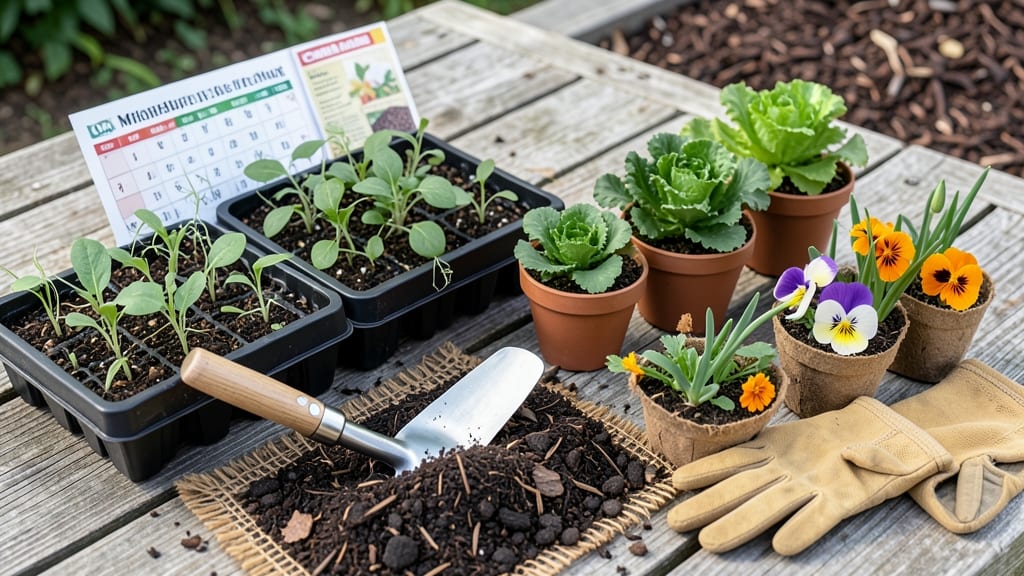
Planting your garden in Michigan at the right time means the difference between a bountiful harvest and a season of disappointment.
Michigan gardeners know timing is everything—plant too early and frost will strike, too late and your harvest suffers. With Zone 5b-6b’s unpredictable springs, knowing exactly when to plant is the difference between a thriving garden and a wasted season.
Most General Garden Plants 🌱 thrive when soil temperatures hit 50°F, which usually aligns with late April to early June after the last frost.
But don’t wait too long—some fast-growing crops like peas and spinach can handle cooler soil, while heat-lovers like tomatoes and peppers need warm earth to take off.
Below, I’ll break down the perfect planting windows for Michigan’s most popular crops, plus tips to stretch your growing season and avoid frost damage. You’ll learn how to read frost forecasts, adjust for microclimates, and even start seeds indoors for an earlier start.
Michigan Zone 4b planting calendar: frost dates and safe planting windows
Michigan’s Zone 4b climate means gardeners must work with a short growing season—typically just 150-180 frost-free days.
The average last frost date hovers around May 10-15 in most areas, but this can shift 2-3 weeks earlier or later depending on microclimates like urban heat islands or sheltered valleys. Michigan State University Extension tracks these dates annually, so always check their local frost maps before planting.
For frost-sensitive crops like tomatoes and peppers, wait until soil temperatures hit at least 55°F—usually late May to early June. Cool-season crops such as peas, spinach, and kale, however, can handle early April plantings if the ground isn’t frozen. Heat-tolerant varieties (like sweet potatoes or okra) can stretch your season into late August or September.
Here’s how to use Michigan’s frost data to plan your schedule:
1. Start indoors in March for slow-growing plants (e.g., tomatoes, eggplants) to give them a head start.
2. Direct-sow hardy crops like lettuce and radishes as soon as soil is workable (40-45°F), often early April.
3. Use row covers to protect tender seedlings if late frosts threaten after your target planting date.
| Planting Window | Average Last Frost | Safe Planting Time | Example Crops | Soil Temp Requirement |
|---|---|---|---|---|
| Early Spring (March-April) | Mid-April (varies) | After last frost (late April) | Peas, spinach, kale, lettuce | 40-45°F |
| Late Spring (May-June) | May 10-15 | After Memorial Day | Tomatoes, peppers, cucumbers | 55-65°F |
| Summer (June-July) | N/A | Direct-sow or transplant | Beans, squash, corn | 60-70°F |
| Fall (August-September) | Mid-October | 6-8 weeks before first frost | Broccoli, carrots, radishes | 45-50°F |
Adjust your planting schedule based on your specific microclimate.
For example, southern Michigan (like Detroit or Kalamazoo) often sees earlier last frosts (early May) compared to northern areas (like Traverse City, where frosts linger until mid-May). Urban gardens may warm up 1-2 weeks faster due to heat absorption from buildings.
If you’re unsure, use biodegradable row covers or a mini greenhouse to create a warmer microclimate for frost-sensitive seedlings.
These tools can extend your planting window by 2-3 weeks without risking damage. Cold frames are another great option for fall plantings, allowing you to harvest spinach or kale until December.
For perennials and shrubs, plant in early spring or fall when soil is workable but not frozen. Bulbs like tulips should go in October, while asparagus crowns need 6-8 weeks of warm soil before winter—aim for late summer planting. Tree and shrub planting is best in spring to give roots time to establish before winter.
Always double-check Michigan State University’s frost maps (updated annually) and consider local weather patterns from the past 3 years. Late frosts in May or
How to extend your Michigan growing season without risking frost damage
Michigan’s short growing season can feel like a race against time—especially when late frosts threaten to wipe out your hard work. The key to success? Strategic planning and protective measures that shield tender plants while maximizing your harvest.
I’ve tested these methods in my own Zone 4b garden, and they’ve added 30-45 frost-free days to my season without risking plant damage.
Start by focusing on heat-loving crops that thrive in Michigan’s brief warm periods, like tomatoes, peppers, and bush beans. These varieties mature quickly and can be planted after Memorial Day when soil temperatures consistently stay above 55°F.
Pair them with cold-hardy greens (spinach, kale) that tolerate early springs and falls—this dual approach ensures continuous harvests.
Here’s my step-by-step guide to extending your season safely, with actionable tips to protect seedlings and maximize yields:
- 1 Use row covers for early spring/fall plantings. Floating fabric covers raise temperatures by 5-10°F and block wind chill. Remove during pollination for veggies like cucumbers or squash.
- 2 Cold frames extend harvests by 4-6 weeks. A clear plastic or glass box (even DIY with wood and plexiglass) traps heat during the day and insulates at night. Ideal for leafy greens and herbs like cilantro or parsley.
- 3 Succession planting keeps your garden productive. Sow fast-maturing crops (like radishes or bush beans) every 2 weeks from May to July. This ensures a steady supply even if early plantings fail to thrive.
- 4 Plant heat-loving crops in black plastic mulch. This raises soil temps by 5-8°F, giving tomatoes and peppers a head start. Pair with drip irrigation to maintain moisture without wetting leaves (reducing disease risk).
- 5 Monitor forecasts and act fast. Use MSU Extension’s frost alerts (or local weather apps) to cover seedlings with burlap or frost cloth when temps drop below 32°F. Even a light frost can damage young plants.
For late frosts, I swear by cloche protection—simple glass jars or plastic domes over individual plants can save tomato seedlings from 28°F temps. Combine this with mulching (straw or shredded leaves) to insulate soil and retain warmth.
My peppers thrive when planted in black pots buried halfway in the ground; the dark surface absorbs heat like a solar panel.
Don’t forget fall planting! Kale, carrots, and spinach love cool weather and can be sown as early as mid-August for harvests before winter. Use row covers again to shield them from early October frosts, and you’ll have fresh greens when most gardens call it quits.
With these strategies, you’ll turn Michigan’s short season into a high-yielding garden—no wasted space or lost crops. Start small, test what works in your microclimate, and soon you’ll be the neighbor with the longest harvest table!