
Planting
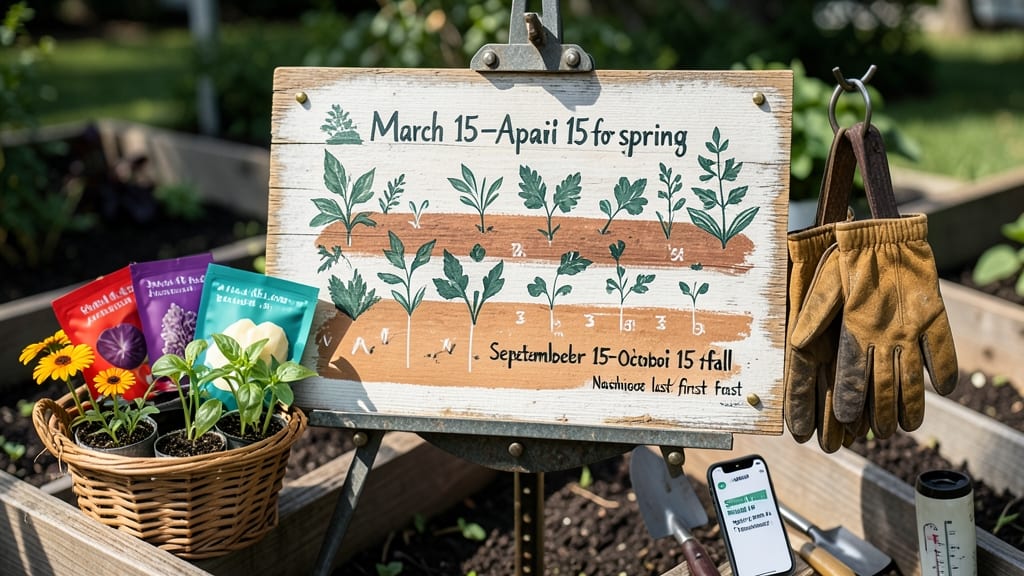
Planting your garden in Tennessee at the right time means the difference between a thriving harvest and a wasted season—and the window is narrower than you think.
Tennessee’s varied climate—from the Smoky Mountains to the Mississippi Delta—means your garden’s success hinges on planting at the perfect time. Miss the window, and you risk frost damage, stunted growth, or wasted seeds.
Here’s your frost-date guide to planting in Tennessee, broken down by crop type and region. Whether you’re sowing cool-season greens in March or warm-season tomatoes in May, timing is everything.
Below, I’ll show you how to use USDA Zone 6a-7b frost dates, adjust for your county’s microclimate, and even extend the season with simple tricks like row covers.
Tennessee’s frost dates by region: when to plant cool vs. warm-season crops
Tennessee’s USDA Plant Hardiness Zones 6a-7b create a diverse planting climate across three distinct regions. The Smoky Mountains (Zone 6a) experience later last frosts, while West Tennessee (Zone 7a) enjoys an extended growing season.
Understanding these frost date averages helps you time your cool-season crops (like lettuce and peas) and warm-season crops (like tomatoes and peppers) perfectly.
To find your exact last spring frost and first fall frost dates, check the USDA Plant Hardiness Zone Map for your county.
For example, East Tennessee typically sees its last frost around April 15, while Middle Tennessee averages April 1, and West Tennessee often warms up by March 15. These dates shift slightly each year, so always monitor local weather forecasts.
Here’s how to use this frost-date guide:
- Cool-season crops (e.g., broccoli, spinach) thrive when planted 4-6 weeks before your last frost.
- Warm-season crops (e.g., cucumbers, beans) need to wait until 2-3 weeks after your last frost.
- Fall planting for cool-season crops should happen 6-8 weeks before your first frost.
For East Tennessee, where Zone 6a dominates, gardeners often start cool-season crops indoors in February to transplant after the last frost.
In Middle Tennessee, the longer frost-free season allows for two full harvests of warm-season crops like squash and okra if planted in early May and again in late July for a fall crop.
In West Tennessee’s Zone 7a, where winters are milder, you can even grow warm-season crops like tomatoes and peppers year-round in greenhouses or with row covers. However, even here, a light frost can still occur in December or January, so protect tender plants if you’re pushing the limits.
Pro tip: Use row covers or cold frames to extend your growing season by 2-4 weeks in both spring and fall. For example, planting spinach or kale under a cover in late February (East TN) or early January (West TN) can give you an earlier harvest and higher yields.
If you’re unsure about your exact last frost date, rely on local gardening groups or cooperative extension services for real-time updates. Tennessee’s climate variability means these dates can shift by 1-2 weeks year to year, so flexibility is key.
For instance, 2023’s late spring frost in Nashville delayed planting by 3 weeks for many gardeners.
For succession planting, plan to sow fast-growing crops like radishes or lettuce every 2 weeks after your last frost. This ensures a continuous harvest and prevents wasted space.
In West Tennessee, where the season is longest, you might even squeeze in three plantings of bush beans between April and September.
Remember, soil temperature matters just as much as air temperature. Warm-season crops like tomatoes and peppers need soil to reach 60°F or warmer before planting. Use a soil thermometer to check—cool soil can stunt growth even if the air feels warm.
In East Tennessee’s higher elevations, soil may lag behind air temperatures by 1-2 weeks.
Finally, keep a gardening journal to track your local frost dates and adjust future planting schedules. Over time, you’ll refine your timing to match your microclimate, whether you’re in a urban Nashville backyard or a rural farm in West Tennessee. Happy planting! 🌱
Best planting calendar for Tennessee gardens: month-by-month crop guide
Tennessee’s 6-7 USDA zones mean your planting schedule should shift based on microclimates and frost dates. Whether you’re growing tomatoes in Memphis or lettuce in the Smokies, timing is everything.
This month-by-month guide covers cool-season crops (like spinach) and warm-season staples (like peppers), plus succession planting tricks to keep your harvests flowing.
Use this as your garden roadmap: Start seeds indoors for warm-season crops 6-8 weeks before your last frost (typically mid-April). For cool-season crops, sow directly 4-6 weeks before frost.
In Tennessee’s long growing season (180-220 frost-free days), you can often plant two rounds of warm-season crops—spring and fall.
| Month | Cool-Season Crops | Warm-Season Crops | Flowers/Herbs | Succession Tip |
|---|---|---|---|---|
| February | Spinach, Lettuce, Peas (start indoors) | None (too early) | Calendula, Pansies | Sow hardy greens for early harvests. |
| March | Broccoli, Cabbage, Radishes (direct sow) | Tomato/Pepper starts (indoors) | Basil, Chives, Snapdragons | Plant fast-growing radishes every 2 weeks. |
| April | Kale, Carrots, Beets (after last frost) | Transplant tomatoes/peppers (after April 15) | Marigolds, Nasturtiums | Sow bush beans every 3 weeks until July. |
| May | None (heat-sensitive) | Squash, Cucumbers, Corn (direct sow) | Basil, Cilantro, Zinnias | Plant squash in hills for better airflow. |
| June | None (summer dormancy) | Okra, Sweet Potatoes (late June) | Sunflowers, Lavender | Succession plant okra every 2 weeks. |
| July | None (heat-sensitive) | Green Onions, Bush Beans (late July) | Borage, Dill | Direct sow green onions for fall harvests. |
| August | Lettuce, Spinach (shade cloth) | Tomato/Pepper starts (for fall) | Aster, Cosmos | Plant cool-season crops with row covers. |
| September | Broccoli, Cabbage, Radishes | Transplant tomatoes/peppers (after Sept 1) | Pansies, Sweet Alyssum | Sow spinach every 3 weeks for winter harvests. |
| October | Garlic, Onions, Winter Rye | None (frost risk) | Winter Cress, Chives | Plant garlic in October for next year. |
For warm-season crops like tomatoes and peppers, avoid planting too early—soil temps must stay above 55°F for 2 weeks. Use black plastic mulch to warm soil faster in cooler regions like the Smokies. In West Tennessee (Zone 7b), you can push warm-season crops 2-3 weeks later than East Tennessee.
Pro tip: Succession planting is your secret weapon. For example, sow bush beans every 3 weeks from April to July to ensure a steady harvest. The same goes for lettuce—plant a new batch every 2 weeks in spring and fall.
This method maximizes your garden’s potential and minimizes wasted space.
Don’t forget to plan for fall harvests! After your first frost (around mid-October), cover kale and carrots