
Fertilization
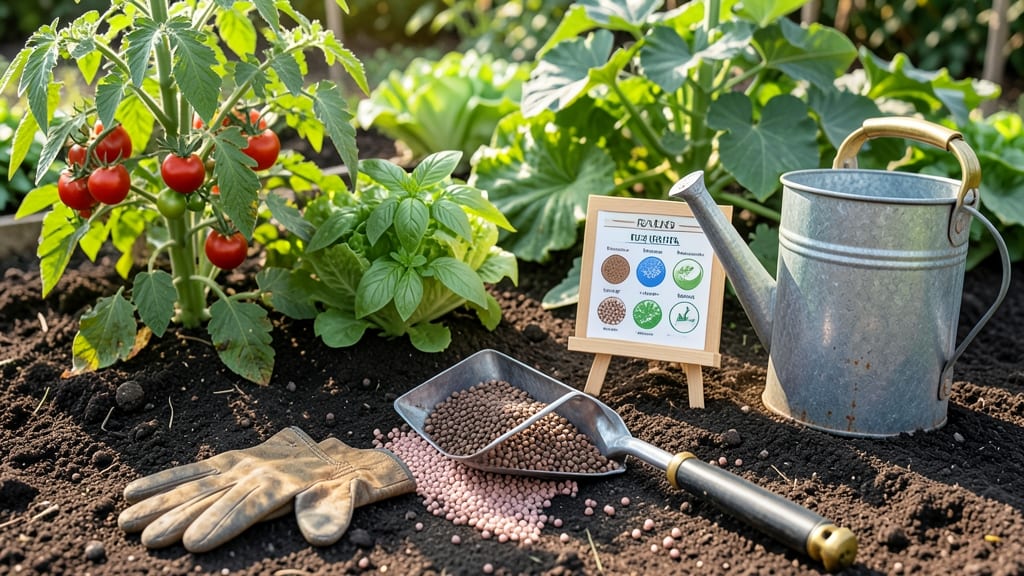
Should you fertilize your garden when the soil looks rich or when the first leaves unfurl? Timing matters more than you think—skip the wrong window, and you’ll either starve your plants or burn their roots before they’ve had a chance to thrive.
Picture this: You’ve just planted your spring seedlings 🌱, and the soil feels perfect. But if you fertilize too early, those tender roots can’t handle the nutrients yet. Wait too long, and you’ll miss the critical growth window when your tomatoes, peppers, or flowers are begging for a boost.
Here’s the secret: The best time to fertilize depends on your plants’ stage—whether they’re waking from dormancy, blooming, or setting fruit. A spring feeding kickstarts the season, while summer calls for lighter touches to avoid stress.
And if you’re in Zone 6a, frost dates and soil temps are your real calendar.
In this guide, I’ll break down the exact month-by-month schedule for vegetables, flowers, and lawns, plus how to read your plants’ signals so you never over- or under-feed again. Let’s get those roots growing!

Seasonal fertilization schedule for vegetables, flowers, and lawns
Fertilizing your garden at the right time ensures your vegetables, flowers, and lawns get the nutrients they need without wasting resources. The key is understanding each plant’s growth cycle and matching fertilization to its seasonal demands.
For example, leafy greens like lettuce need nitrogen early, while blooming flowers crave phosphorus during bud formation. Let’s break down the best times to fertilize month by month.
Your climate zone plays a huge role—this schedule assumes a USDA Zone 6a (like much of the Midwest), but adjust timing 2–4 weeks earlier or later for warmer/cooler regions.
Always test your soil first to avoid over- or under-feeding. A simple soil test kit ($10–$20) reveals pH and nutrient levels so you can tailor your approach.