
Planting
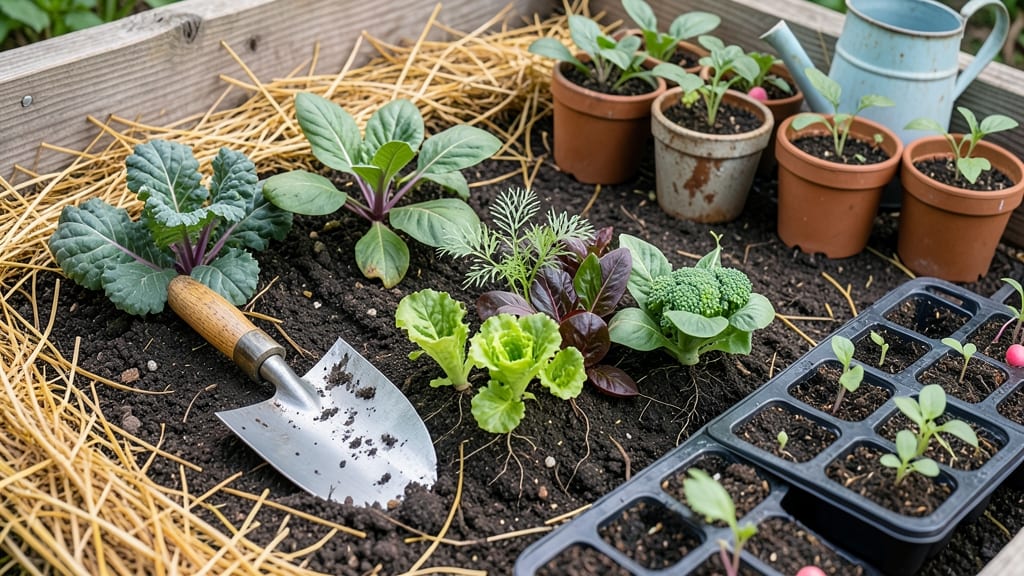
Planting a fall garden in Texas means starting by late July or early September—when the heat starts to ease and the first frost looms on the horizon.
Texas gardeners know timing is everything—plant too early, and your fall crops will wilt in the heat; too late, and frost will ruin your harvest. But with the right strategy, you can grow a thriving 🌱 garden that beats the odds and delivers fresh produce straight from your backyard.
The key lies in understanding your region—whether you're in North Texas with its cooler nights or South Texas where the heat lingers longer. Each zone has its own window for planting heat-tolerant crops like okra, sweet potatoes, and collards, ensuring a bountiful harvest before the first frost arrives.
In this guide, I’ll break down the best planting timeline for your area, highlight the top crops that thrive in Texas’ fall conditions, and share tips to extend their season—so you can enjoy homegrown goodness well into winter.
Best planting timeline for Texas fall gardens by region
Texas's diverse climate means your fall garden timing depends entirely on your region. The Lone Star State stretches from USDA Zone 7a in the north to Zone 10b in the south, creating wildly different frost risks and heat windows.
In North Texas, cooler weather arrives earlier, while South Texas may still see 90°F in October. Even Central Texas varies by elevation—hill country cools faster than the Gulf Coast.
To succeed, focus on heat-tolerant transplants like okra, sweet potatoes, and collards in August, then shift to cooler crops like kale and carrots by September.
The key is planting 6-8 weeks before your first frost, but Texas's frost dates are unpredictable—some years, North Texas sees frost by November 15, while South Texas might avoid it entirely.
Here’s your region-specific planting schedule, including ideal transplant dates and frost-avoidance tips. Use this as your roadmap to beat Texas’s heat and frost challenges.
| Region | Key Planting Window | Heat-Tolerant Transplants (Aug) | Cool-Season Crops (Sep-Oct) | First Frost Risk | Pro Tip |
|---|---|---|---|---|---|
| North Texas (Zones 7a-8a) | Late July - Mid-Sept | Okra, Black-Eyed Peas, Sweet Potatoes | Collards, Kale, Carrots, Spinach | Nov 15 - Dec 1 | Use row covers by Oct 15 to extend harvest. |
| Central Texas (Zones 8a-8b) | Mid-Aug - Early Oct | Malabar Spinach, Jute, Cowpeas | Turnips, Radishes, Lettuce, Broccoli | Nov 20 - Dec 10 | Plant hill country gardens 2 weeks earlier than Gulf Coast. |
| South Texas (Zones 9a-10b) | Late July - Mid-Oct | Sweet Potatoes, Okra, Eggplant | Mustard Greens, Swiss Chard, Beets | Rare (Dec 15+) | Prioritize shade cloth for heat-sensitive crops. |
In North Texas, start heat-loving transplants like okra by late July to give them time to mature before cooler temps arrive. By mid-August, switch to direct-sown seeds for collards and kale, which thrive in the 50-70°F range.
Use black plastic mulch to warm soil for early plantings—this is critical in Zone 7a, where frost can hit by November 15.
For Central Texas, your window is longer, but don’t wait too late. Plant Malabar spinach and cowpeas in August for a fall harvest, then follow with broccoli and turnips by September 1.
If you’re in the hill country, aim for two weeks earlier than coastal areas—elevations above 1,000 feet cool faster. Row covers are your best friend here to push harvests into December.
South Texas gardeners have the luxury of no frost in most years, but heat stress is the real enemy. Begin with sweet potatoes and eggplant in late July, then transition to mustard greens and Swiss chard by September. Use 50% shade cloth to protect seedlings from 95°F+ afternoons. Even in Zone 10b, October nights can dip into the 50s, so harden off plants gradually.
Regardless of your region, always check the Texas A&M AgriLife Extension frost maps before your last planting date. In 2022, a rare hard freeze hit North Texas in December, wiping out unprotected gardens.
When in doubt, opt for cold-hardy varieties like ‘Winterbor’ kale or ‘Texas Blue’ collards, which survive 2
Top 10 heat-tolerant fall crops for Texas gardens and how to extend their season
Texas’s long growing season means you can still enjoy a bountiful harvest well into fall—if you choose the right crops. Unlike traditional cool-season vegetables, these heat-tolerant varieties thrive when temperatures dip but won’t bolt in summer’s lingering heat.
From leafy greens to legumes, these picks will keep your garden productive until first frost—or even beyond with a little extra care.
Key to success? Planting 6-8 weeks before your average first frost date (typically mid-November in North Texas, December in the South). Pair that with mulching, row covers, and smart companion planting to stretch your harvest. Here’s my curated list of Texas-proven fall crops that deliver flavor and resilience.
🌱 Heat-Tolerant Fall Crops & Planting Tips
- Black-Eyed Peas – Plant August-September; thrives in 70-85°F and tolerates light frosts. Harvest pods when plump but before seeds harden.
- Malabar Spinach – A tropical vine that loves heat; sow July-August. Use trellises to save space and extend harvest until December.
- Jute (Corchorus olitorius) – Heat-loving leafy green with a mild spinach taste. Direct-sow August-September; harvest leaves when young for tenderness.
- Collard Greens – Sweeter after light frosts; plant August-October. Choose heat-tolerant varieties like ‘Georgia Southern’ for longer harvests.
- Turnips – Sow September-October for root and greens. Use black plastic mulch to warm soil and speed germination in cooler spells.
- Sweet Potatoes – Plant slips in July-August for fall harvest. Choose Beauregard or Georgia Jet varieties for heat tolerance.
- Okra – A summer-to-fall staple; sow June-September. Pods mature faster in cooler temps—harvest every 2-3 days to encourage production.
- Kale (‘Winterbor’ or ‘Lacinato’) – Plant August-September for sweet, frost-enhanced leaves. Use row covers to delay frost damage by 2-3 weeks.
- Cabbage (‘Golden Acre’) – Start seeds August-September for heads ready by November. Space plants 18 inches apart to prevent disease.
- Carrots (‘Danvers’ or ‘Nantes’) – Sow September-October in loose, well-drained soil. Thin seedlings to 2 inches apart for straight roots.
To extend the season, combine these strategies: Apply 2-3 inches of straw mulch around plants to insulate roots and retain moisture. For light frosts, drape floating row covers (like Reemay) over sensitive crops like kale or cabbage.
In North Texas, where frosts hit earlier, opt for cold-hardy varieties like ‘Vates’ collards or ‘Winterbor’ kale.
Companion planting is another game-changer. Pair okra with sweet potatoes to deter pests naturally, or interplant carrots with onions to repel carrot flies. Herbs like dill or cilantro also thrive in fall and attract beneficial insects that keep pests in check.
With these tactics, your fall garden can stay productive well into December—or even January in milder Texas zones!
Pro tip: Keep a planting journal to track which crops perform best in your microclimate. Note when you sow, harvest dates, and any frost delays you achieve with row covers. Over time, you’ll fine-tune your fall garden for maximum yield and flavor—no matter how unpredictable Texas weather gets. 🌿