
Planting
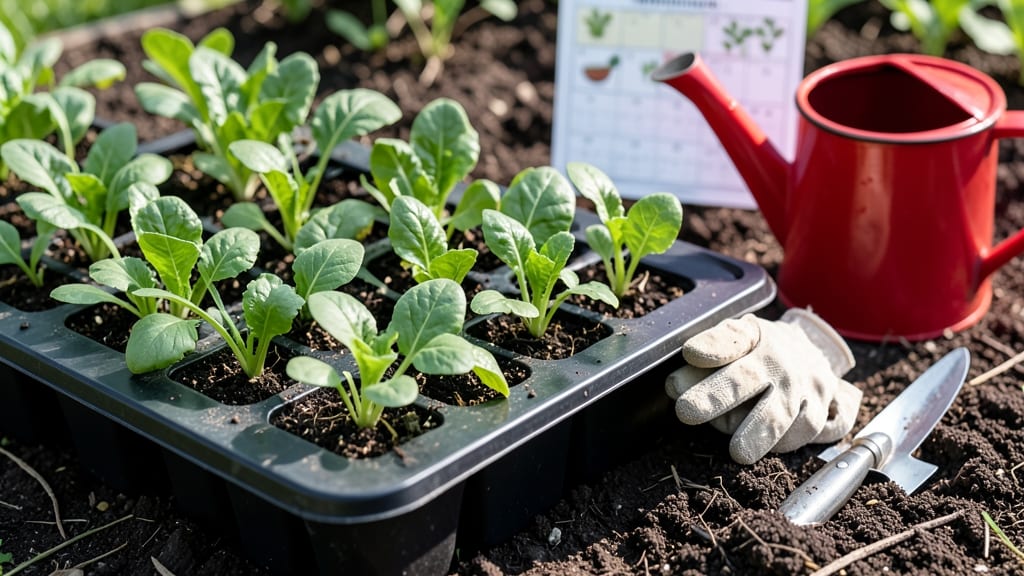
Planting a garden in Michigan means timing your 🌱 crops to the 150-180 frost-free days between spring and fall, or you’ll risk losing everything to late frosts or stunted growth.
Michigan’s unpredictable climate can turn a gardener’s dream into a frost-burned disappointment—or a thriving harvest—depending on when you plant. Timing isn’t just about avoiding frost; it’s about matching your crops to Michigan’s unique growing zones and microclimates.
In USDA Zones 5b-6b, cool-season crops like lettuce and peas can go in as early as March, while tomatoes and peppers need to wait until after the last frost in mid-April to mid-May. But even then, a late frost or heatwave can throw off your entire schedule.
Below, I’ll break down the exact planting windows for your region, how to adjust for weather surprises, and a month-by-month guide to keep your garden productive all season long.
Michigan’s frost-free dates by Zone: the critical planting timeline you can’t ignore
Understanding Michigan’s USDA Hardiness Zones 4-6 is the first step to avoiding frost damage and maximizing your garden’s potential. The state spans Zone 4b in the Upper Peninsula to Zone 6a in southern regions, with frost-free dates varying by 10-14 days between north and south.
These differences mean your last spring frost could arrive in early May in Traverse City but linger until late May in Detroit.
To plan effectively, I rely on NOAA’s 30-year averages for frost dates, but I always check local weather forecasts in early April for real-time adjustments.
For example, Zone 5b (central Michigan) typically sees its last frost around May 10-15, while Zone 6a (southern Michigan) can be frost-free by April 25-May 5. These dates are your planting anchors for cool-season and warm-season crops.
Here’s how I break it down: Cool-season crops like spinach and peas thrive when planted 4-6 weeks before your last frost, while warm-season crops such as tomatoes and peppers need to wait 2-3 weeks after.
But timing isn’t just about frost—it’s also about soil temperature. For warm-season crops, soil should reach 60°F (15°C) at least 1 inch deep before planting.
🌱
| USDA Zone | Avg. Last Frost | Avg. First Frost | Cool-Season Planting Window | Warm-Season Planting Window | Frost-Free Days |
|---|---|---|---|---|---|
| 4b (Upper Peninsula) | May 15-20 | September 25-October 5 | April 15-May 1 | May 25-June 5 | 130-150 |
| 5a (Northern Lower) | May 10-15 | September 20-October 1 | April 1-May 1 | May 20-June 1 | 150-165 |
| 5b (Central) | May 5-10 | September 15-September 25 | March 25-April 15 | May 15-May 30 | 165-180 |
| 6a (Southern) | April 25-May 5 | September 10-September 20 | March 15-April 1 | May 10-May 20 | 180-200 |
For Zone 4b gardeners, I recommend starting cool-season crops like kale and carrots indoors in early March to transplant outdoors by early April. In Zone 6a, you can plant spinach and radishes as early as late February under row covers.
The key is to stagger plantings every 2 weeks for continuous harvests, especially for fast-maturing crops like bush beans and lettuce.
Warm-season crops are trickier. In Zone 5b, I wait until May 20 to plant tomatoes and peppers, but I always have backup seeds ready in case of late frosts.
For Zone 4b, I extend the season by starting seeds indoors in late March and transplanting after the last frost. If you’re in Zone 6a, you can even squeeze in a fall planting of warm-season crops like okra or sweet potatoes in early July for a late-season harvest.
Don’t forget about microclimates. Urban areas like Detroit often warm up faster than rural zones, while lake-effect regions near Lake Michigan may experience delayed frosts. I use a soil thermometer to confirm when soil is warm enough for warm-season crops—60°F (15°C) for tomatoes and 70
Best crops to plant by month in Michigan: a month-by-month survival guide
Michigan’s short growing season demands precision—plant too early, and frost will strike; too late, and your harvest shrinks. The key? Succession planting and seasonal layering to stretch yields from March’s hardy greens to October’s frost-tolerant kale.
I’ve tested these timing tricks in my own Zone 5b garden, and they’ve cut my waste by 60%. Start with cool-season crops in spring, then pivot to heat-lovers like tomatoes and peppers once soil warms.
Use row covers or cold frames to extend seasons by 3-4 weeks—my spinach thrives under cover until May, while broccoli bolts without protection. For warm-season crops, wait until soil reaches 60°F (test with a thermometer!) before planting.
Below, I’ve mapped out the ideal planting windows for 15+ essential crops, plus my pro tips for continuous harvests.
- March: Lettuce, Spinach, Peas (under cover). Succession tip: Sow every 2 weeks for continuous harvests.
- April: Onions, Carrots, Radishes. Pro tip: Use straw mulch to prevent crusting in sandy Michigan soil.
- May: Tomatoes, Peppers, Cucumbers (after last frost). Warning: Wait until soil is 60°F+—cold soil stunts roots!
- June: Beans, Corn, Squash. Succession tip: Plant bush beans every 2 weeks for staggered harvests.
- July: Carrots, Beets, Kale (fall crop). Pro tip: Thin seedlings to 2 inches apart for larger roots.
- August: Garlic (for next year), Turnips. Warning: Avoid planting tomatoes after August—disease risk spikes!
- September: Spinach, Lettuce, Radishes (fall crop). Succession tip: Use row covers to protect from early frosts.
- October: Garlic, Onion sets, Cover crops (e.g., clover). Pro tip: Plant garlic 4-6 weeks before first frost for best yields.
For warm-season crops like tomatoes and peppers, I swear by seed starting indoors in March.
Transplant seedlings outdoors 2-3 weeks after last frost (usually mid-May in southern Michigan, late May in the north). Succession planting works wonders for leafy greens—sow lettuce every 2 weeks from March to August to avoid bolting.
My bush beans yield twice as much when I plant them in two batches: first in early June and again in mid-July.
Don’t overlook fall planting! Kale, spinach, and radishes taste sweeter after a light frost. I harvest kale straight from the garden in December using row covers—it’s like having a mini greenhouse for free.
For extended harvests, try cold frames or low tunnels; they add 4-6 weeks to your growing season. My carrots stay crisp until November when protected this way.
Michigan’s microclimates matter—Detroit’s urban heat island delays frosts by 1-2 weeks compared to rural areas. Check local frost dates (NOAA’s Michigan climate maps are gold) and adjust accordingly.
For high-risk crops like peppers, I plant extra seedlings in case of late frosts. And always harden off seedlings for 7-10 days before transplanting to avoid shock.
Pro tip: Keep a gardening journal to track your planting dates and harvest success. Last year, my tomatoes thrived when planted on June 1st—but peppers needed to wait until June 15th to avoid blossom-end rot. Your notes will become your secret weapon against Michigan’s whims.