
How To
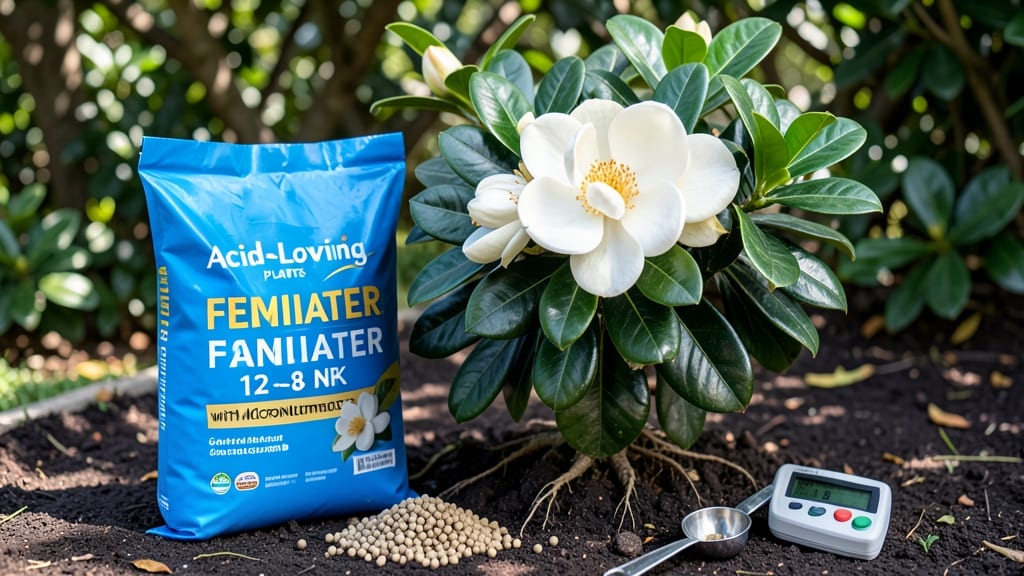
To fertilize gardenias for year-round blooms and that signature fragrance, time it right—starting in early spring and ending before fall’s chill sets in.
Your gardenia’s intoxicating scent could be fading because you’re fertilizing at the wrong time. Too early, and you’ll burn roots; too late, and blooms won’t form. The secret window is just as critical as the fertilizer itself.
In USDA Zone 6a, gardenias (🌸) need feeding when they’re actively growing—think late April through August. Skip winter and fall entirely, as dormancy means no nutrient uptake. Even a single misstep can mean fewer flowers and weaker fragrance next season.
Below, I’ll break down the exact schedule, signs your gardenia is hungry (or overfed), and the best fertilizers to use—so you never miss a bloom again.

Optimal fertilizing schedule for gardenia blooms by season
Timing your gardenia’s fertilizer applications is the secret weapon for year-round fragrance and abundant blooms. Unlike many plants, gardenias respond dramatically to seasonal feeding windows—especially during their active growth phases.
Feed too early, and you’ll encourage leafy growth over flowers. Feed too late, and your plant may skip blooming entirely. The key? Science-backed scheduling that aligns with your gardenia’s natural cycles.
Gardenia blooms thrive when fertilized during their pre-bloom phase—typically late spring to early summer. However, varieties like Gardenia jasminoides 'Radicans' (a trailing type) may bloom in fall or winter in warmer climates, requiring adjusted timing.
Below, I’ll break down the month-by-month schedule for both spring/summer bloomers and fall/winter varieties, plus monthly maintenance tips to maximize fragrance.
🌸 Pro Tip: Always use a balanced, acid-loving fertilizer with an NPK ratio of 6-4-8 (high phosphorus for blooms). Avoid synthetic fertilizers with high nitrogen—they’ll produce lush foliage but fewer flowers. Organic options like fish emulsion or compost tea work beautifully too.
For spring/summer bloomers, the critical feeding window starts in early April—just as new growth emerges. This is when your gardenia shifts from dormancy to active bloom production. Use a slow-release fertilizer to provide steady nutrients without risking root burn.
Apply it in the early morning when soil is cool and moist, ensuring it’s 1 inch away from the stem to protect roots.
During peak bloom season (June-July), switch to a lighter feeding schedule. Over-fertilizing now can cause leaf burn or stunted blooms. Instead, opt for a half-strength liquid fertilizer every 6 weeks.
This maintains flower production without encouraging excessive foliage. Pair this with weekly deep watering to keep soil consistently moist but never soggy.
If you’re growing fall/winter blooming varieties (common in USDA Zones 9-11), adjust your schedule to late summer. Start feeding in September with a phosphorus-rich fertilizer to trigger bud formation.
These gardenias thrive on warmer temperatures and shorter days, so avoid fertilizing after October to let them harden off for winter.
One common mistake I see is fertilizing gardenias in fall or winter—this forces new growth that won’t survive cold snaps. Instead, focus on
Signs your gardenia needs fertilizer (and when to avoid it)
Your gardenia’s yellowing leaves or sparse blooms might signal a hunger for nutrients—but it’s easy to overdo it. Gardenias thrive on balanced feeding during their active growing months, but feeding at the wrong time can cause more harm than good.
The key is recognizing the difference between nutrient deficiency and over-fertilization, both of which can mimic each other.
First, check the leaf color. Yellow leaves with green veins often mean iron or nitrogen deficiency. However, if the edges turn brown or crispy, your gardenia might be suffering from fertilizer burn.
This happens when salts build up in the soil, especially if you’ve recently fertilized. Always water thoroughly after applying feed to help flush excess salts away.
🌸
Feed only during active growth: March through September. Avoid fertilizing from October to February—this is your gardenia’s dormant period, and feeding can stress the plant. Even in summer, light feeding is better than heavy doses, which can scorch roots.
Best time to apply: Early morning after watering. This ensures nutrients soak into moist soil and reduces leaf burn risk from afternoon sun.
Another red flag is stunted growth or fewer flowers than usual. Gardenias need phosphorus-rich fertilizer (look for a 6-4-8 NPK ratio) to encourage blooming. If your plant is putting out leaves but no flowers, it’s likely craving phosphorus.
However, if new growth looks leggy or weak, you might be overdoing nitrogen, which promotes foliage at the expense of blooms.
Don’t ignore the soil pH either. Gardenias prefer acidic soil (5.0–6.5). If your soil is too alkaline, even the best fertilizer won’t work well. Test your soil every 2–3 years and amend with sulfur or peat moss if needed.
Over-fertilizing alkaline soil can make nutrient deficiencies worse by locking out essential minerals.
For container gardenias, flush the soil every 3–4 months with water to prevent salt buildup. If you notice white crusty deposits on the soil surface, this is a sure sign of over-fertilization.
Trim back on feed immediately and repot with fresh, acidic potting mix if needed. A quick soil check can save your plant from long-term damage.
🌿