
Fertilization
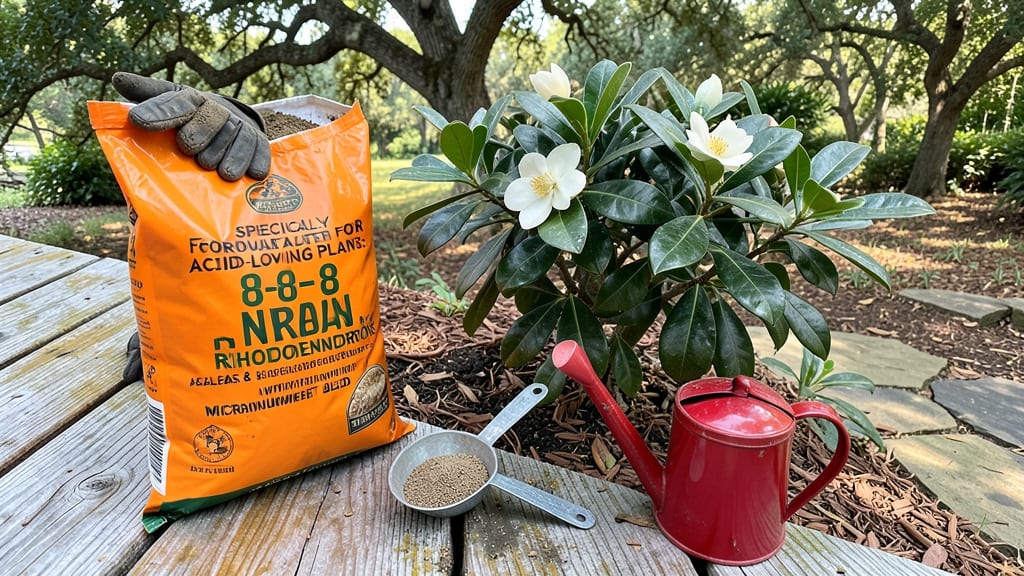
Fertilizing gardenias in Georgia at the right times is the secret weapon for nonstop blooms and glossy leaves—skip the schedule, and you risk weak growth or no flowers at all.
Georgia’s humid subtropical climate means your gardenias are always hungry, but feeding them at the wrong moment—like mid-summer or late fall—can shock the plant or waste your fertilizer. The key is syncing your feeding with the plant’s natural cycles, not just the calendar.
Most gardeners miss the two critical windows: a light feed in early spring to wake up the roots and a stronger boost in late summer to fuel fall blooms.
I’ll walk you through the exact months to fertilize, which fertilizers work best for Georgia’s acidic soil, and how to spot when your gardenias are begging for nutrients.
By the end, you’ll know not just when to fertilize, but how much and what to avoid—so your gardenias reward you with fragrant blooms from spring through fall, without a single wasted dollar.

Optimal fertilization schedule for Georgia gardenias: spring and fall timing explained
Georgia’s warm climate gives gardenias a head start, but timing fertilization correctly is key to avoiding burned roots or missed blooms. Unlike cooler climates, Georgia’s extended growing season means two critical fertilization windows: spring awakening and fall boost.
Skipping either can leave your plants struggling to produce those iconic white blooms we all love.
Most gardeners make the mistake of fertilizing too early in spring or too late in fall—both can shock the plant or delay dormancy. The secret lies in soil temperature cues and growth stage alignment.
In Georgia’s USDA Zones 7b-8b, soil should reach 60°F+ before feeding, and fall applications should stop by early October to allow for root hardening before winter.
Here’s your Georgia-specific fertilization timeline, including organic vs. synthetic options and how to adjust for early vs. late bloomers:
| Season | Optimal Time | Fertilizer Type | Application Method | Key Cue |
|---|---|---|---|---|
| Spring | Late March - Early April | Balanced (6-6-6) or Organic (fish emulsion) | Spread 1 tbsp around root zone | Soil temp ≥60°F + new growth visible |
| Spring (Late Bloomers) | Mid-April | Slow-release granules (8-3-9) | Work into top 2" of soil | First buds forming |
| Summer Maintenance | Every 6 weeks (June, July) | Acid-loving plant fertilizer | Diluted liquid feed (½ strength) | After flowering peak |
| Fall Boost | Early September | Organic (composted manure) | Top-dress roots | Before new growth starts |
| Winter | None | None | None | Plant dormant |
Your spring awakening feed should happen as soon as soil warms to 60°F—typically late March in North Georgia and mid-March in South Georgia. Use a balanced fertilizer (6-6-6) or organic fish emulsion to stimulate root growth.
For early blooming varieties like 'Kleim’s Hardy', add a second light feed in mid-April to extend the bloom season.
Georgia’s summer heat can burn plants if fertilized incorrectly. Switch to slow-release granules in June and July to avoid nutrient spikes. Water deeply before and after applying fertilizer to prevent root burn—a common mistake in our humid climate.
For potted gardenias, reduce fertilizer by half to prevent salt buildup.
The fall boost is often overlooked but critical for next year’s blooms. Apply composted manure or bone meal in early September when soil is still warm but before new growth begins.
This gives roots a nutrient reserve for winter. Stop all feeding by October 1st to allow proper dormancy—especially important in North Georgia’s cooler microclimates.
For organic gardeners, try pine bark fines mixed with worm castings for a slow-release option. Synthetic users should opt for acid-loving plant formulas with micronutrients like magnesium and iron. Always test your soil pH (ideal: 5.0-6.0) before fertilizing—Georgia’s clay-heavy soils often need sulfur amendments to maintain acidity.
Pro tip: Mark your calendar for March 22nd (average last frost in Atlanta) and October 10th (when to stop feeding). Use mulch after fall feeding to retain moisture and regulate soil temperature—a must in Georgia’s variable autumn weather.
With this schedule, your gardenias will reward you with fragrant blooms from June through September.
Remember, over-fertilizing is worse than under-fertilizing for gardenias. If you see yellow leaves or leaf drop, flush the soil with water and wait 6 weeks before feeding again. Georgia’s summer rains can leach nutrients quickly, so monitor your plants closely during peak growing months.
🌸
Common Georgia-specific mistakes that kill gardenias (and how to avoid them)
Georgia’s hot summers and acidic soils create perfect conditions for gardenias—but these same factors also make them vulnerable to common mistakes. Over-fertilizing during peak summer heat, ignoring soil pH imbalances, and missing micronutrient deficiencies are the top killers. Let’s diagnose and fix these before your plants suffer.
First, fertilizer timing is everything in Georgia’s climate. Many gardeners make the mistake of feeding too late in summer, when high temperatures stress plants. Slow growth or yellow leaves often signal overfeeding or nutrient burn during these months.
⚠️ callout warning ⚠️
Mistake: Applying fertilizer in June-August when soil temps exceed 85°F
Why it kills: High heat forces roots to work harder, burning them with excess salts
Fix: Shift feeding to early spring (March) and late fall (October) for optimal absorption
Pro Tip: Use slow-release granules (like Osmocote) to prevent nutrient spikes
Another critical error is using the wrong acid-loving fertilizer. Georgia’s native soils often test pH 5.0-6.0, but many gardeners add lime or high-pH amendments that lock out essential nutrients. Yellowing leaves with green veins?
This classic symptom often means your gardenia can’t access iron or manganese due to alkaline soil.
Don’t overlook micronutrient deficiencies either. Georgia’s clay-heavy soils frequently lack magnesium, zinc, or boron. Look for crinkled leaves or stunted buds—these are red flags. A simple soil test (available through UGA Extension) will reveal exactly what’s missing and how to supplement.
For sparse blooms, check your pruning schedule. Gardenias bloom on old wood, so pruning after flowering removes next year’s buds. Always prune immediately after blooming (June-July) to encourage new growth for fall flowers.
Finally, watering habits play a surprising role. Georgia’s humidity means gardenias need consistent moisture but hate soggy roots. Brown leaf edges often signal underwatering, while yellowing between veins points to overwatering or poor drainage. Mulch with pine straw to maintain even moisture and acidity.