
Plants
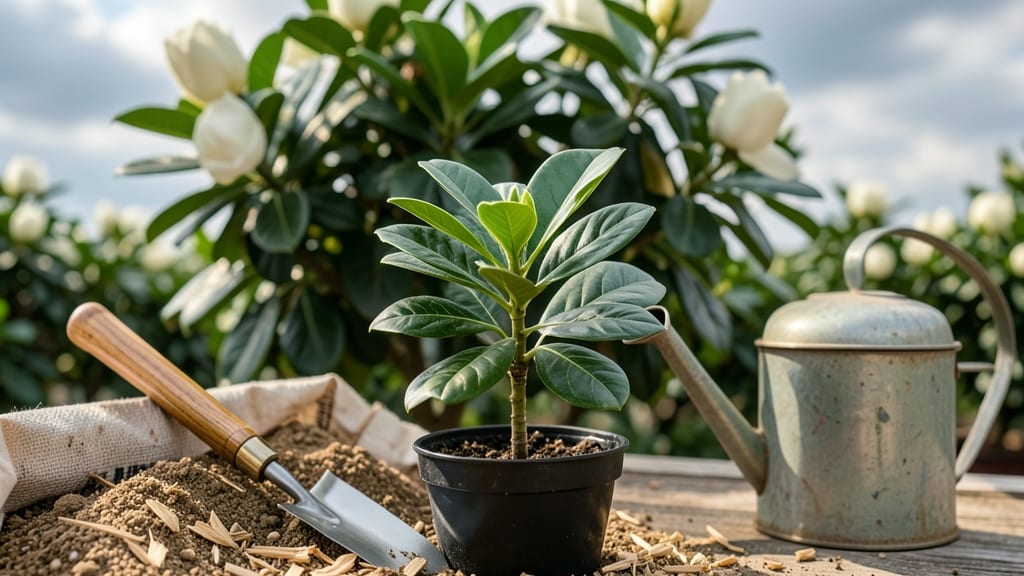
To plant gardenias in Georgia, wait until after your last frost date in March or April—when soil temperatures hit 60°F—to give those delicate roots the best start.
Georgia’s humid climate and long growing season make gardenias a stunning addition to any landscape—but planting them at the wrong time can stunt their growth or even kill them. Timing is everything when it comes to ensuring these fragrant shrubs thrive in your yard.
Most Georgia gardeners wait until late March or early April, after the last frost, to plant gardenias 🌸. This gives the soil time to warm up and reduces the risk of frost damage to young plants.
If you’re in the coastal areas, you might even get a head start in February, but Piedmont regions should hold off until April.
In this guide, I’ll walk you through the exact planting window for your zone, how to prep your gardenias for Georgia’s heat and humidity, and the common mistakes that can derail your gardenias before they even bloom.
Best planting months for gardenias in Georgia’s climate zones
Georgia’s humid subtropical climate creates perfect conditions for gardenias, but timing your planting is critical to avoid frost damage or stunted growth. The state spans USDA zones 7a-8b, meaning frost dates vary dramatically from the coastal regions to the Piedmont.
Most gardeners in zone 7b (Athens, Macon) should plant between mid-March and mid-April, while zone 8a/b (Savannah, Augusta) can start as early as late February.
Gardenias thrive when planted after the last frost date and when soil temperatures consistently stay above 60°F. In Georgia, this typically means waiting until late March to early April for most regions.
Coastal areas like Savannah (zone 8b) often see frost-free soil by mid-February, while northern Georgia (zone 7a) may need to wait until mid-April.
Fall planting is riskier in Georgia due to unpredictable late-season frosts. While some gardeners attempt fall planting in October, the 215 frost-free days in most zones leave little margin for error. If you choose fall, aim for early October and protect young plants with mulch or frost cloth.
Here’s a quick reference for Georgia’s frost-free planting windows by region:
| Region | USDA Zone | Ideal Planting Month | Soil Temp Threshold | Frost Risk |
|---|---|---|---|---|
| Coastal (Savannah, Brunswick) | 8b | Late February - Early March | 60°F+ | Low (rare frost) |
| Central (Atlanta, Macon) | 7b-8a | Mid-March - Mid-April | 60°F+ | Moderate (late frost risk) |
| Northern (Dahlonega, Blue Ridge) | 7a | Mid-April - Early May | 65°F+ | High (late frost common) |
| Fall Planting (All Regions) | 7a-8b | Early October (high risk) | 60°F+ | Very High (frost likely) |
To check your local frost dates, use the National Weather Service’s frost prediction maps or ask your local Cooperative Extension office. For example, Athens (zone 7b) averages its last frost on March 15, while Savannah (zone 8b) rarely sees frost after January 10.
Before planting, test your soil pH—gardenias hate alkaline soil and thrive in acidic conditions (pH 5.0-6.0). Georgia’s native soil is often too alkaline, so amend with peat moss or sulfur before planting. Mix in 2-3 inches of organic compost to improve drainage and fertility.
Once planted, mulch heavily with pine straw or shredded bark to retain moisture and regulate soil temperature. In hot Georgia summers, mulch helps prevent root stress while keeping the soil cool. Water deeply 2-3 times per week until the plant establishes roots (6-8 weeks).
If you’re planting container-grown gardenias, choose a well-draining pot with acidic potting mix. Containers heat up faster in Georgia’s sun, so place them in partial shade and water more frequently. Avoid planting in full sun without afternoon shade, as the intense heat can scorch tender new growth.
For bare-root gardenias, soak the roots in water for 2-3 hours before planting to rehydrate them. Dig a hole twice as wide as the root ball but only as deep. This prevents root suffocation and encourages outward growth. Backfill with amended soil and water thoroughly to eliminate air pockets.
After planting, avoid heavy pruning for the first year. Focus on establishing strong roots before encouraging blooms. In Georgia’s climate, gardenias often bloom from June to September, but healthy root systems ensure vibrant, fragrant flowers year after year.
How to prepare gardenia seedlings for Georgia’s heat and humidity
Georgia’s intense summer heat and high humidity can shock tender gardenia seedlings if they’re not properly acclimated. These tropical beauties need gradual adjustments to thrive in your yard’s conditions. The key is hardening off seedlings over 7-10 days before planting, mimicking Georgia’s transition from spring to summer.
Without this step, your seedlings may wilt or develop root shock, stunting their growth for months.
Start by selecting a well-draining, acidic soil mix (pH 5.0-6.0) that mimics gardenias’ native tropical environment. Georgia’s native soils often lean alkaline, so amend yours with peat moss or pine bark fines to create the perfect acidic foundation.
This adjustment alone can make the difference between a struggling plant and one that blooms profusely. For coastal Georgia regions, where humidity spikes even higher, add perlite or sand to improve drainage and prevent root rot from excess moisture.
Once hardened off, plant your gardenias in early spring (March-April) or late summer (August) to avoid Georgia’s peak heat. For Piedmont regions, aim for March 15-April 15, while coastal areas can plant slightly later (April 1-April 30) due to delayed frost dates.
Always dig a hole twice as wide as the root ball to encourage root spread—this helps them establish faster in Georgia’s heavy clay soils.
Mulching is non-negotiable in Georgia’s climate. Apply 3-4 inches of organic mulch (like pine straw or shredded bark) around the base, keeping it 6 inches away from the trunk to prevent rot.
This mulch layer acts like a thermal blanket, regulating soil temperature and retaining moisture during Georgia’s drought-prone summers. Replenish mulch annually, as it breaks down quickly in the heat.
After planting, water deeply but infrequently—gardenias hate soggy roots. Aim for 1-1.5 gallons per plant every 3-5 days, adjusting for rainfall. In Zone 8b (common in southern Georgia), you may need to water daily during July-August to combat heat stress.
Always water in the early morning to reduce fungal risks from prolonged leaf wetness—a common issue in Georgia’s humid air.
Finally, shield young gardenias from direct afternoon sun for the first 2-3 weeks post-planting. Use a light shade cloth or plant them near existing trees (like oaks or pines) that provide dappled shade.
This gradual sun exposure prevents leaf scorch, a frequent problem in Georgia’s intense summer sun. With these steps, your gardenias will establish strong roots and reward you with fragrant blooms by mid-summer. 🌸