
Container Gardens
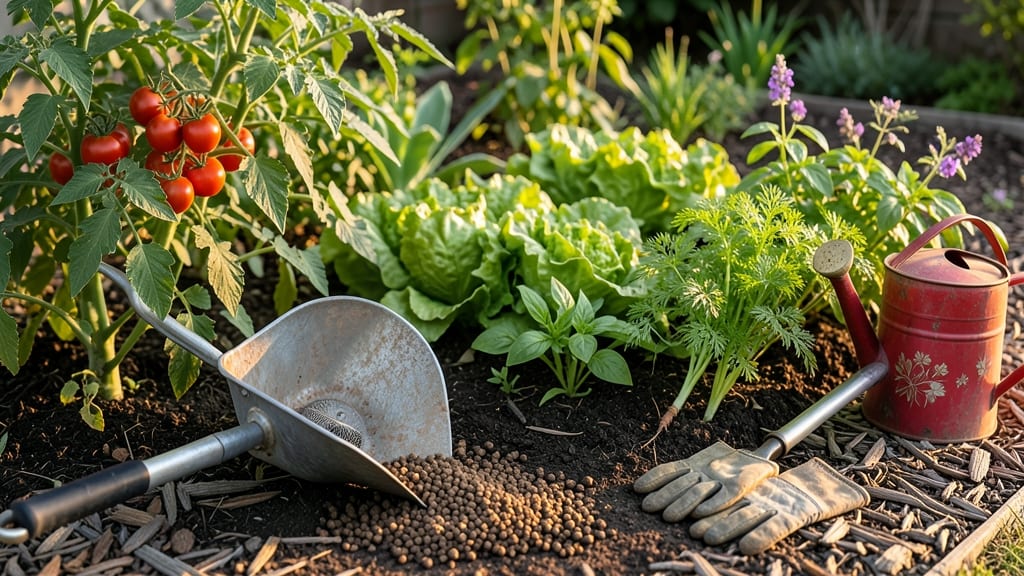
To fertilize your garden properly, time it by plant type and season: use slow-release fertilizer in early spring before new growth begins, apply mid-season for flowering plants, and skip fall fertilization for perennials to avoid encouraging tender new growth before winter. Cool-season vegetables actually thrive with fall applications.
Timing matters because plants absorb nutrients most efficiently during active growth phases. 🌱 For example, spring fertilization helps establish strong root systems before summer heat, while mid-season applications support blooming plants when they're most demanding.
I've noticed that organic fertilizers like compost tea release nutrients slowly, making them ideal for early spring, whereas fast-acting synthetic fertilizers work better for quick fixes during peak growing seasons.
Another key factor is your garden's specific needs—container plants often require more frequent feeding than in-ground varieties, and soil tests can reveal deficiencies that change your schedule. For instance, if your soil is nitrogen-deficient, you might need to fertilize more often in early spring to kickstart leafy growth.
Always check plant labels for tailored recommendations!
💡 In This Article
- Seasonal Fertilizer Timing for Different Plant Types
- Signs Your Garden Needs Fertilizer and Best Application Methods
Seasonal fertilizer timing for different plant types
Timing your garden's fertilizer applications aligns with each plant's natural growth cycles. In early spring, when temperatures rise above 50°F, plants wake from dormancy and focus on root development. This is when slow-release fertilizers—like compost or organic pellets—work best, providing steady nutrients over 6-8 weeks without overwhelming young roots.
I've seen firsthand how spring fertilization helps establish strong foundations for summer blooms, especially for perennials like coneflowers or daylilies.
Mid-season fertilization targets flowering plants and fruiting vegetables when they're most demanding. For example, tomatoes and peppers need a phosphorus boost (look for a 5-10-10 ratio) during their flowering phase to develop fruit properly.
The key is applying fertilizer when plants show active growth but haven't yet reached their peak—typically 4-6 weeks after transplanting.
Cool-season crops like kale or spinach actually benefit from fall applications, as they continue growing until frost, while warm-season plants like basil should get their last feeding by mid-August to harden off before winter.
Perennials and shrubs have different needs than annuals or vegetables. Most perennials don't need fall fertilization because new growth would be vulnerable to winter cold. Instead, focus on spring applications when they emerge, and consider a light summer feeding only if they show signs of stress.
Lawns are an exception—they need regular feeding (every 6-8 weeks in growing season) to maintain vibrant green growth, but should avoid late-season applications that encourage tender new growth before frost.
Organic fertilizers like compost or worm castings release nutrients gradually, making them ideal for early spring applications. They improve soil structure over time while feeding plants slowly. Synthetic fertilizers, on the other hand, provide immediate nutrients—perfect for mid-season boosts when plants need quick access to phosphorus or potassium.
The choice depends on your plants' current needs: organic for long-term soil health, synthetic for rapid results.
Here's what to watch for: yellowing leaves often signal nitrogen deficiency, while stunted growth or poor flowering points to phosphorus or potassium needs. Soil tests reveal exact deficiencies, but even without one, you can adjust timing based on plant behavior.
For instance, if your tomatoes are flowering but not fruiting, a mid-season phosphorus boost can make all the difference. 🌿
One common mistake is fertilizing too late in the season. Fall applications for perennials can encourage tender new growth that won't survive winter, while over-fertilizing in late summer can lead to excessive foliage at the expense of fruit production.
Always check your plant's specific needs—some, like garlic, don't need any fertilizer at all!
Remember that container plants often need more frequent feeding than in-ground varieties because their root systems are limited. In containers, I fertilize every 3-4 weeks during the growing season, using a diluted liquid fertilizer to avoid salt buildup.
The key is balancing nutrients with water—always water thoroughly after fertilizing to help nutrients reach the roots.