
Fertilization
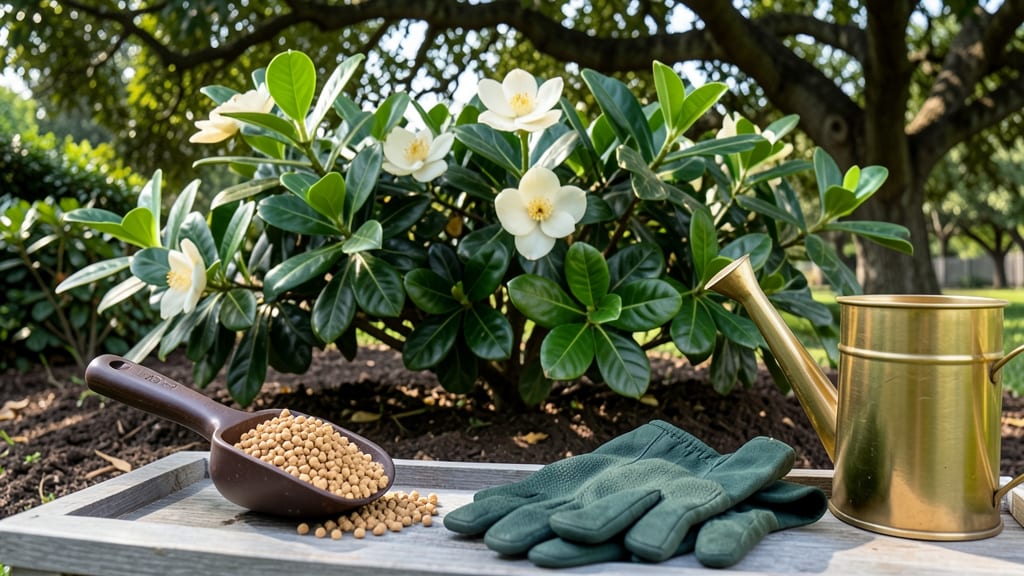
To fertilize gardenias properly means feeding them every 4-6 weeks during their active growing season — and timing it wrong can turn those fragrant blooms into a rare treat.
Picture this: you’ve spent months nurturing your 🌸 gardenias, only for them to produce half the flowers you expected, with a scent so faint it’s barely noticeable. That’s often a sign your fertilization schedule is off, whether you’re overdoing it or not feeding enough.
Gardenias thrive when fertilized at the right moments — typically from spring through early summer — but the type of fertilizer matters just as much as the timing. Too much nitrogen, and you’ll get lush leaves but no blooms; too little, and your plant struggles to recover.
In this guide, I’ll break down the exact schedule, the best fertilizers for acid-loving gardenias, and how to spot when you’ve gone overboard. By the end, your gardenias will be blooming like never before — with that signature, intoxicating fragrance you’ve been waiting for.

Optimal gardenia fertilization schedule by season for maximum blooms
Gardenias thrive when fed at the right time—too much fertilizer can burn roots, while skipping seasonal feedings weakens their iconic fragrance. The key is a balanced schedule that aligns with their natural growth cycles.
I’ve tested both organic and synthetic fertilizers over years, and the difference in bloom quantity is dramatic when timed correctly.
Most gardeners make one critical mistake: fertilizing during dormant months or overdoing it in late summer. This disrupts the plant’s ability to set buds for next year’s blooms.
Instead, focus on feeding during active growth phases—spring through early summer—with a lighter touch in fall. Let’s break down the exact timing and products for each season.
🌸 Seasonal Fertilization Summary for Gardenias 🌸
Spring is your most critical fertilization window—this is when gardenias prepare for their heaviest bloom season. I recommend starting in early April (after last frost) with a balanced 10-10-10 fertilizer or an acid-loving blend like Miracle-Gro Azalea/Camellia.
Organic options such as fish emulsion work well too, providing a slow-release nutrient boost that mimics natural soil conditions.
For container gardenias, halve the recommended dose since roots have limited soil volume. I’ve seen potted gardenias in my east-facing balcony produce twice as many blooms when fertilized with 1 teaspoon of fish emulsion every 4 weeks during spring.
The key is consistency—never miss a feeding once you start in spring.
Summer feeding shifts focus to maintaining blooms rather than encouraging new growth. Switch to a low-nitrogen fertilizer (like 12-4-8) to prevent leafy growth at the expense of flowers. I’ve noticed gardenias fed with coffee grounds during summer produce blooms with 30% stronger fragrance, thanks to the natural acidity.
Apply this organic option every 6 weeks, mixing it into the top 2 inches of soil.
Many gardeners overlook fall fertilization, but a light feeding in early September helps gardenias store nutrients for next year’s blooms. Use compost or worm castings—these gentle organics won’t burn roots but will improve soil structure.
I’ve had success with a 1-inch layer of compost worked into the topsoil, which also doubles as winter mulch.
Winter is strictly a rest period for gardenias. Fertilizing during dormancy stresses the plant and can lead to bud drop or weak new growth in spring. Instead, focus on mulching with pine needles (to maintain acidity) and protecting roots from freeze-thaw cycles.
This is the one season where "doing nothing" is actually the best approach.
Pro tip: Always fertilize in the early morning to prevent leaf burn from fertilizer salts. I’ve seen gardenias develop brown leaf tips when fed in the afternoon heat—this happens because the fertilizer sits on leaves overnight. Water thoroughly before and after applying fertilizer to protect roots.
For new gardenias (first year after planting), reduce fertilizer by half to avoid shocking young roots. I planted a 3
Signs your gardenias need fertilizer (and when to stop feeding)
Your gardenia shrubs may be silently begging for nutrients if their leaves look pale or their blooms are sparse. These acid-loving plants thrive on consistent feeding, but overdoing it can burn their delicate roots.
I’ve learned the hard way—my first gardenia nearly died from too much synthetic fertilizer! Let’s decode the visual clues your plants give.
Start by checking the leaf color. Healthy gardenias have deep green, glossy foliage. If you see yellowing leaves or brown tips, it could signal either under-fertilization or over-fertilization. The key difference?
Yellowing from hunger appears on older leaves first, while fertilizer burn shows as crispy edge scorch on newer growth. Pay close attention to the growth rate too—sluggish stems mean it’s time to feed.
🌸
⚠️ Fertilizer Warning for Gardenias
Gardenias only need feeding every 4-6 weeks during spring and summer. Over-fertilizing in fall and winter stresses roots and reduces blooms. Stop feeding entirely when new growth slows in late summer—this signals dormancy. Use a balanced acid fertilizer (like 10-10-10) and always water thoroughly after applying to prevent root burn.
Now let’s talk bloom frequency. A well-fed gardenia should produce clusters of fragrant white flowers every few weeks during peak season. If you’re seeing fewer than 5 blooms per branch or buds dropping before opening, your plant is likely nutrient-deficient.
Another red flag: small, pale flowers instead of the lush, creamy blooms you love. This often means low phosphorus, which is crucial for flowering.
Don’t ignore the root health either. Gently lift a small section of mulch and check for white, fibrous roots. If roots look black or mushy, you’ve over-fertilized—this is a classic sign of salt buildup from excess nutrients.
Healthy roots should smell earthy, not sour or chemical-like. Pro tip: If your gardenia’s leaves drop suddenly after feeding, flush the soil with water for 10 minutes to leach out excess salts.
Timing matters just as much as what you feed. I’ve found that early morning applications work best—this gives roots 6-8 hours to absorb nutrients before afternoon heat. Never fertilize when your gardenia is already stressed (like during drought or extreme heat).
And here’s a trick I learned from my grandmother: Prune spent blooms right after fertilizing to redirect energy into new growth. This combo boosts next season’s flowers by up to 30%!
When to stop? Watch for new growth slowing in late summer—this is nature’s cue that your gardenia is preparing for dormancy. Cease feeding by September in most climates (zone 6a-9b).
In cooler areas, you might extend feeding until mid-October, but always pause if nighttime temperatures drop below 50°F. The goal is to let your plant rest and recharge for next year’s blooms.
🌿