
Picking
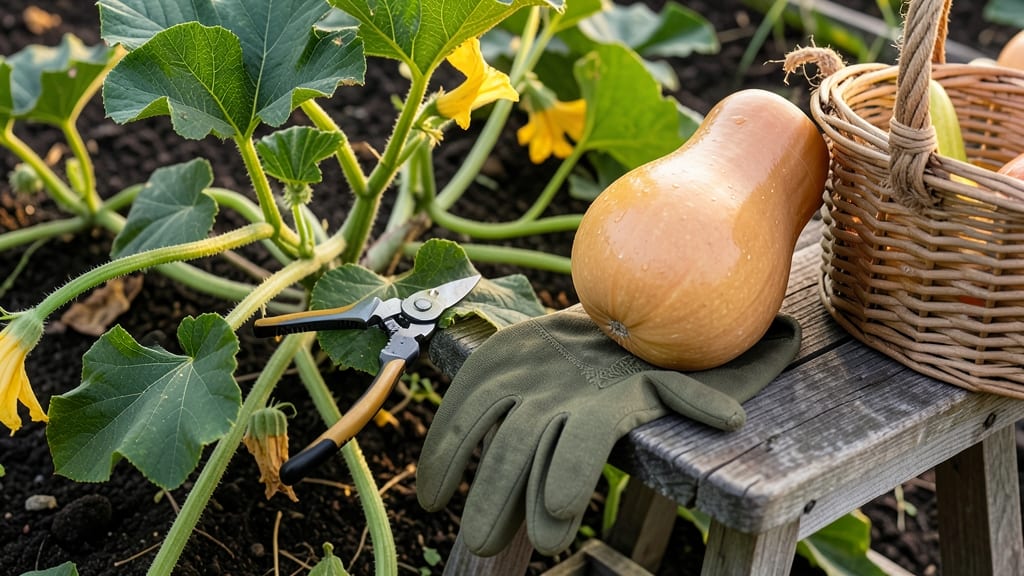
Harvesting butternut squash from the garden at the right time means the difference between sweet, velvety flesh and tough, bland disappointment — and the secret lies in those tiny seed color shifts you might be missing.
Picture this: you’ve waited 90 days for your squash to mature, but when you slice one open, the seeds are still pale and underdeveloped. That’s a classic sign you picked too soon — or worse, left it on the vine too long, turning the flesh grainy.
The truth? The seeds change from white to tan to deep beige, signaling peak flavor before the skin toughens.
But timing isn’t just about seed color. Frost risk, rind hardness, and even stem dryness play a role, especially in Zone 6a where late-season chills can sneak up fast.
Miss these cues, and you’re either storing squash that’s past its prime or tossing out underripe ones before they ever reach their potential.
Below, I’ll walk you through the exact visual and seasonal signals to harvest your butternut squash at its sweetest — plus how to store it for months afterward without losing a bite of that garden-grown goodness.
How to identify butternut squash harvest time using seed color changes
Butternut squash reaches its peak sweetness when seeds inside shift from white to tan to deep beige. This subtle color change signals maturity, but it’s just one clue in a trio of visual cues that determine perfect harvest timing.
Ignoring these signs can mean bland or tough squash, so let’s break down how to read your plants like a pro.
First, focus on the seed cavity inside the squash. Early in the season, seeds appear pale white and soft. As they mature, they darken to a tan or deep beige color and feel firm to the touch.
This progression happens over 2-3 weeks before full maturity, so start checking regularly once vines begin yellowing.
But seed color isn’t the only indicator. The rind hardness is equally critical. A ripe butternut squash should feel rock-hard when pressed near the stem end.
If you can dent it with your thumbnail, it’s not ready yet. This hardness develops as the squash’s starch converts to sugar, enhancing flavor.
Don’t overlook the stem condition either. The stem end should dry out and turn woody or brownish—a clear sign the squash has stopped growing. If the stem remains green and moist, the squash needs more time.
This drying process often coincides with the seed color shift, but it’s worth double-checking both cues.
Weight plays a surprising role too. A fully mature butternut squash feels heavy for its size because it’s packed with dense, flavorful flesh. Lift a few candidates—if one stands out as noticeably heavier, that’s your best bet. Combine this with the other signs for foolproof results.
Now, let’s put it all together in one easy reference:
| Stage | Seed Color | Rind Condition | Stem Condition | Weight |
|---|---|---|---|---|
| Early Maturity | White | Soft, easy to pierce | Green, moist | Light |
| Mid Maturity | Tan | Firm but dentable | Drying slightly | Medium |
| Perfect Harvest | Deep beige | Hard, no dent | Woody, dry | Heavy |
| Overripe | Dark brown | Shriveled, tough | Rotted or hollow | Light (water loss) |
Timing your harvest correctly ensures maximum sweetness and texture. If you’re in a short growing season, prioritize squash with the darkest seed color and hardest rind—these are your safest bets. For longer seasons, you can afford to wait slightly longer, but never beyond the first frost.
Pro tip: Harvest on a dry, sunny morning to let squash cure properly. Cure them for 10 days in a warm, dry place (like a garage) before storing. This step deepens flavor and extends shelf life to 3-6 months when stored in a cool, dark spot.
Watch for these three key signals together: seed color shift, rind hardness, and stem drying. When all three align, you’ve got a winner—sweet, flavorful butternut squash ready for the table or storage. Happy harvesting!
Butternut squash harvest timing: days to maturity vs seasonal adjustments
Timing your butternut squash harvest isn't just about counting days—it's about reading your local climate and adjusting for seasonal shifts. Most varieties mature in 85-100 days, but hot summers can speed this up while cool seasons may extend it.
I've learned the hard way that blindly following seed packets leads to either underripe squash or overripe disappointments.
Your first step is understanding that days-to-maturity estimates assume average growing conditions. In my Zone 6a garden, I adjust planting dates based on whether I want early or late harvests.
For example, planting in late May gives me a September-October harvest, while starting seeds indoors in April lets me harvest as early as August.
- 1. Count 85-100 days from transplanting, but verify with seed color changes (white → tan → deep beige).
- 2. Adjust for heat: Hot summers reduce maturity time by 10-15 days—watch for rind hardening 2-3 weeks early.
- 3. Cool climates add days: If nights drop below 50°F, extend maturity by 10-20 days—prioritize stem drying over calendar dates.
- 4. Frost risk: Harvest 2-3 weeks before first frost—hard rinds survive 2-3 weeks in cool storage.
- 5. Late planting tip: If sowing after July 1st, aim for smaller squash—they won't reach full size before frost.
I've found that early planting (March-April) gives me the longest harvest window, but requires row covers for young plants. For late plantings, I focus on compact varieties like 'Waltham Butternut' that mature faster.
The key is balancing days-to-maturity with your frost date—my garden's 165-day frost-free season means I can't afford delays.
Pro tip: Use a harvest journal for 2-3 years to track your local adjustments. Last year, my Zone 6a garden needed 95 days for full maturity—10 days longer than the seed packet claimed.
I now plant 2 weeks earlier to ensure peak harvest timing. Always prioritize rind hardness over calendar dates when making final decisions.
Remember that overripe squash develop hollow stems and shriveled skin, while underripe ones stay soft and pale. The perfect harvest happens when the rind resists your thumbnail and the stem end dries slightly. This balance ensures maximum sweetness and longer storage life—worth the extra attention!