
Picking
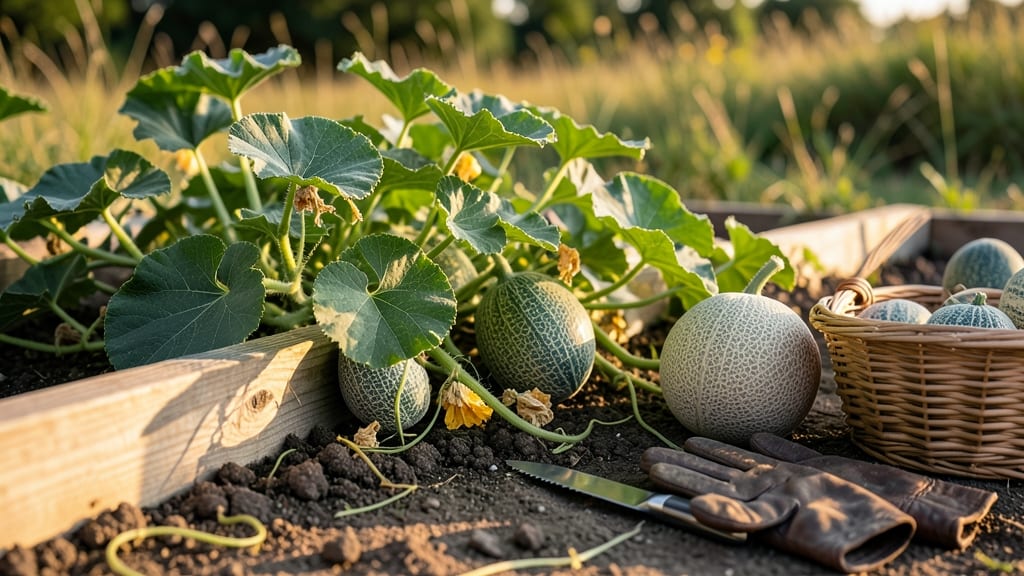
Harvesting cantaloupe from the garden at the perfect time means the difference between sweet, juicy perfection and bland, underripe fruit that never delivers on its promise.
Picture this: you’ve nurtured your 🍈 from a tiny seedling through the heat of summer, and now the moment of truth has arrived. But how do you know exactly when to pluck it from the vine?
The answer lies in three simple, hands-on tests that take just seconds—no fancy tools required.
Most gardeners miss the window because they rely on days-to-maturity charts or guesswork, but ripeness in cantaloupes is all about tactile cues.
We’re talking about a stem that slips with a gentle twist, a rind that shifts from dull to creamy, and a scent so sweet it hits you before you even touch the fruit.
In this guide, you’ll learn those three foolproof tests, plus how to adjust for your climate zone and avoid the most common mistakes that turn great cantaloupes into disappointments. Let’s get started.


3 Tactile tests to determine cantaloupe ripeness at home
Nothing beats the satisfaction of biting into a perfectly ripe cantaloupe—sweet, juicy, and bursting with flavor. But knowing when to harvest can be tricky, especially if you're new to growing these melons.
The good news? You don’t need fancy tools or lab tests to determine ripeness. Instead, rely on your senses with these three tactile tests that’ll give you foolproof results every time.
Cantaloupes are ready to harvest when they pass all three tests: the stem slip test, the blossom end color change, and the thump test. These methods work together to confirm ripeness without guessing.
Whether you're growing cantaloupes in your backyard or a small garden plot, these simple checks will help you avoid picking fruit that’s either too hard or overly soft.
- 1 Stem Slip Test: Gently twist the stem near the fruit. If it slips with light pressure, it’s ripe!
- 2 Blossom End Color: Check the spot where the fruit sat on the vine. It should turn from white to cream or tan.
- 3 Thump Test: Tap the melon with your knuckles. A ripe cantaloupe will sound hollow and slightly dull, not hard or echoey.
The stem slip test is my favorite because it’s the most reliable indicator of ripeness. When cantaloupes are ready, the stem near the fruit will detach easily with a gentle twist—almost like it’s begging to be picked.
This happens because the fruit’s natural enzymes break down the stem’s connection as it ripens. If the stem resists or snaps off cleanly, the cantaloupe likely needs more time on the vine.
Next, check the blossom end, the spot where the fruit rested on the vine. A ripe cantaloupe will show a distinct color change here, shifting from white or pale green to a cream or tan hue.
This change signals that sugars have fully developed inside the fruit. Pro tip: Avoid harvesting based solely on the blossom end if the stem doesn’t slip—sometimes environmental stress can cause premature color changes.
The thump test is a classic for a reason: it’s quick and doesn’t require any tools. Give the cantaloupe a firm tap with your knuckles. A ripe melon will produce a dull, hollow sound, almost like a muted drumbeat.
If it sounds hard and echoey, it’s underripe. Overripe cantaloupes, on the other hand, might feel mushy and produce a flat, dead-sounding thump. Balance is key!
For best results, combine all three tests. For example, I once picked a cantaloupe that passed the thump test but failed the stem slip—only to find it was still hard and bland inside. Lesson learned: never skip the stem test!
It’s the most accurate way to confirm ripeness without cutting into the fruit. Plus, it’s a great way to teach kids about gardening—they love twisting stems to see if the melon is ready.
Timing your harvest is also crucial. Cantaloupes typically ripen between 75 to 90 days after planting, depending on your climate. In hotter regions like USDA Zone 9 or 10, they might ripen faster, while cooler zones could extend the timeline.
Always monitor your melons closely during peak ripening season (usually July and August in most areas) to catch them at their sweetest.
Once you’ve confirmed ripeness, harvest your cantaloupe by cutting the stem with a sharp knife or pruners, leaving a small portion attached to the fruit. This helps extend shelf life by slowing moisture loss.
Store ripe cantaloupes at room temperature for up to a week, or refrigerate to preserve freshness for 2-3 weeks. Just be sure not to refrigerate until after they’ve fully ripened—cold temperatures can turn the flesh mealy.
With these tactile tests, you’ll never second-guess when to harvest cantaloupe again. The next time you’re strolling through your garden, take a moment to feel, tap, and twist—your taste buds will thank you for the perfectly ripe, flavor-packed melons you’ll bring to the table! 🍈
How to avoid common harvesting mistakes that ruin cantaloupe flavor
Harvesting cantaloupe at the wrong time can turn your sweet expectations into bitter disappointment. I’ve seen gardeners rush to pick fruit that’s still hard and underripe, or leave it on the vine too long until it becomes mealy.
These mistakes happen more often than you’d think, but the good news? They’re all avoidable with the right knowledge.
The biggest culprit is harvesting too early. Many gardeners assume cantaloupe is ready just because it’s changed color slightly, but that’s rarely the case. Without proper ripeness, you’ll end up with fruit that’s watery, bland, and lacking that signature sweetness we all love.
Even worse, overripe cantaloupe develops a fermented smell and mushy texture that’s nearly inedible.
Environmental factors also play a huge role. Temperature swings, inconsistent watering, and even poor soil nutrition can all throw off your cantaloupe’s ripening schedule. If your plants aren’t getting enough phosphorus-rich fertilizer during fruiting, the flavor development suffers.
And if you’re watering irregularly, the fruit can split or never reach full sweetness.
Here’s the kicker: Improper storage after harvest can undo all your hard work. Even perfectly ripe cantaloupe stored in the fridge too soon will lose its flavor and texture faster than you’d believe. The key is knowing the exact moment to pick—and then handling it with care afterward.
⚠️ Warning: These 3 Mistakes Kill Cantaloupe Flavor
- Picking too early: Fruit won’t develop full sugar content (test with the stem slip method)
- Ignoring blossom end color: White or pale green means not ready—cream/tan means perfect
- Storing improperly: Never refrigerate until fully ripe; use room temp (50-55°F) for 2-3 days max
Pro Tip: Harvest in the morning when sugars are at peak levels and temperatures are cooler.
Let’s start with the most common mistake: harvesting based on size alone. I’ve seen gardeners pick cantaloupe because it looks "big enough," only to find it’s still rock-hard inside. Size doesn’t equal ripeness—color, scent, and texture are what truly matter.
A cantaloupe might be 8 inches wide but still need 2-3 more days on the vine to sweeten up properly.
Another critical error is not accounting for your climate zone. Cantaloupes in hotter zones (8-10) ripen faster than those in cooler zones (4-6). If you’re in a shorter growing season, you’ll need to monitor ripeness more closely.
For example, in Zone 6, cantaloupes might take 90 days to mature, while in Zone 9, they could be ready in just 70 days.
Finally, post-harvest handling makes or breaks your cantaloupe’s quality. Once picked, store them at room temperature (never in the fridge) until fully ripe—this prevents flavor loss and keeps the texture firm.
And here’s a pro move: Leave the stem on during storage to slow moisture loss and extend freshness by up to 50%. Once ripe, enjoy them within 3-5 days for peak flavor.