
Picking
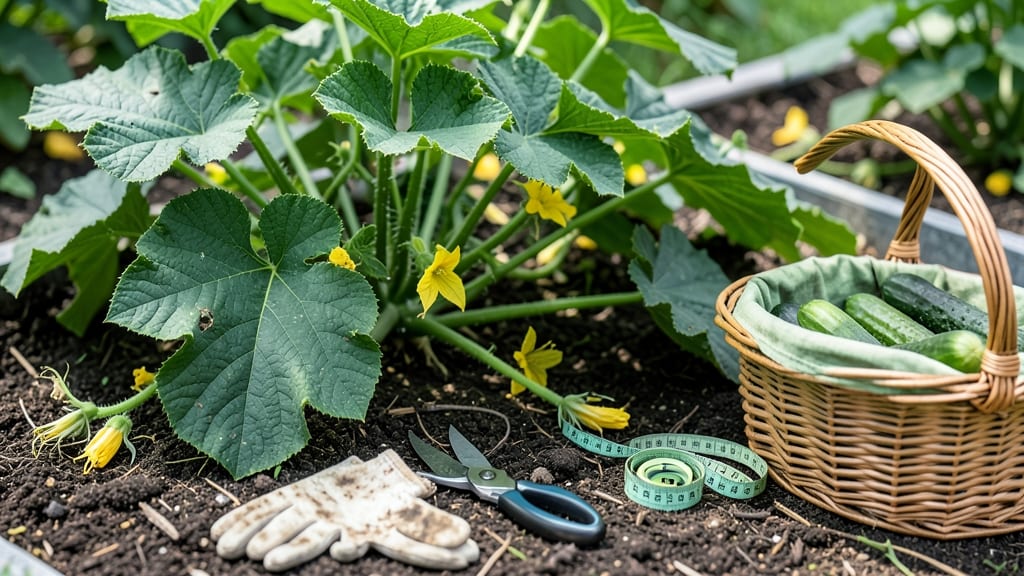
Harvesting cucumbers from your garden at the right time ensures crisp, seed-free slices and avoids the bitter, tough disappointment of overripe fruit.
Picture this: you’ve nurtured your 🥒 cucumber plants all season, and now the moment of truth arrives—when to pluck those glossy green pods. Get it wrong, and you’re left with seedy, watery cucumbers that scream "store-bought disappointment."
But master these 3 simple tactile tests, and you’ll turn every harvest into a flavor-packed win.
Timing matters more than you think. A cucumber picked too early stays bland and underdeveloped, while one left too long on the vine turns tough and bitter—wasting your garden’s hard work. The key?
Checking size, skin firmness, and color cues before you grab your shears. In USDA Zone 6a, where summers stretch from July to September, these tricks become your secret weapon for peak harvests.
Below, I’ll walk you through the exact signs to watch for—plus how to harvest without damaging your plants—and keep your vines producing like crazy all season.
3 Tactile tests to determine perfect cucumber harvest time
Nothing beats the satisfaction of biting into a crisp, seed-free cucumber fresh from your garden. But timing is everything—pick too early, and you'll get bland, underdeveloped fruit. Harvest too late, and you're left with tough, bitter, seedy cucumbers that ruin salads and pickles.
The secret? Trust your hands and eyes with these three tactile tests that guarantee peak flavor every time.
I've learned through years of gardening that cucumbers don't follow a strict calendar—they mature based on environmental conditions, variety, and even your local climate. That's why these hands-on methods work better than guessing by days after planting.
Whether you're growing slicing cucumbers like 'Straight Eight' or pickling varieties like 'Boston Pickling,' these tests apply to all types.
-
1Size Check: Measure 6-12 inches for slicing types, 2-4 inches for pickling. Use your hand as a guide—most slicing cucumbers should be about the length of your forearm from elbow to wrist.
-
2Texture Test: Press gently—firm, glossy skin means ready. If it feels soft or wrinkled, it's past its prime. Run your thumb along the stem end—it should be smooth, not bumpy.
-
3Twist Test: Gently twist the cucumber at the stem. If it snaps cleanly with minimal resistance, it's perfect. If it resists or pulls away with the stem, it needs more time. For pickling varieties, harvest 1-2 days earlier than slicing types.
Let me walk you through each test in detail so you can confidently pick cucumbers at their peak. The size check is your first line of defense against overgrown cucumbers. Most slicing varieties like 'Marketmore' or 'Arkansas Little Leaf' should be harvested when they reach 6-8 inches long.
For pickling cucumbers such as 'Calypso' or 'National Pickling,' wait until they're 2-4 inches—any larger, and they become too tough for pickling.
I always use my hand as a quick reference—most mature slicing cucumbers will measure about the same length as my forearm from elbow to wrist. For pickling varieties, think more like the length of my palm.
Pro tip: Use a ruler or tape measure for your first few harvests to get a feel for the ideal sizes. Once you've done this a few times, you'll develop an instinct for the perfect size just by looking.
The texture test is where many gardeners make their biggest mistake. A cucumber's skin should feel firm yet slightly yielding, like a ripe avocado. If it feels hard as a rock, it's still too young. If it gives slightly when pressed or has dull spots, it's overripe.
Pay special attention to the stem end—it should be smooth, not developing the bumpy, yellowed texture that signals overmaturity. This is especially important for heirloom varieties which can develop bitter flavors quickly once they pass their prime.
My favorite test is the twist test because it combines both tactile feedback and visual cues. Hold the cucumber near the stem and give it a gentle twist. A perfectly ripe cucumber will separate cleanly from the vine with just a slight resistance.
If you feel significant resistance or hear a popping sound, it's not ready yet. If the stem pulls away easily without much resistance, you've waited too long. For pickling cucumbers, I harvest 1-2 days before they reach this stage since they're typically harvested at a smaller size.
Here's a pro tip I learned from my local extension agent: Harvest in the morning when cucumbers are cool and crisp. This gives you the best texture for your tactile tests. Also, always use a sharp pair of pruning shears or a knife to avoid damaging the vine.
Never pull or twist cucumbers from the plant—this can cause unnecessary stress and reduce future yields.
One common mistake I see is harvesting based solely on color cues. While deep green is ideal, color alone isn't enough—some varieties like 'Lemon Cucumber' stay pale green even when ripe. That's why these tactile tests are so valuable.
Combine the size, texture, and twist tests for the most accurate results. And remember, consistent harvesting encourages your plants to produce more fruit throughout the season.
For slicing varieties, aim for cucumbers that are uniform in color with no yellowing or brown spots. The skin should be smooth and unblemished. If you see any signs of powdery mildew or other fungal issues, harvest immediately—even if the cucumber isn't perfectly ripe.
For pickling varieties, focus on smaller size and firmer texture since these cucumbers are meant to be preserved rather than eaten fresh.
I've found that keeping a small harvest journal helps track which tests work best for your specific growing conditions. Note the average size when your cucumbers reach peak flavor, the texture characteristics that indicate ripeness, and any environmental factors that might affect maturity.
Over time, you'll develop a personalized system that works perfectly for your garden. And remember, the more consistently you harvest, the more your plants will produce throughout the season.
How to harvest cucumbers without damaging the plant
Harvesting cucumbers the right way keeps your plants healthy and productive. I’ve learned that gentle handling and proper timing prevent stress, disease, and even bitter flavors in your harvest. The key is using the right techniques—whether you’re cutting or twisting—and knowing when to stop before overharvesting weakens your vines.
Most gardeners make the mistake of twisting cucumbers off the vine, which can tear the stem and leave wounds. Instead, I’ve found that cutting with clean pruners just above a leaf node leaves a smaller wound that heals faster.
This simple switch has doubled my plant’s yield by reducing stress. Always use sharp tools to avoid crushing the stem.
⚠️ callout-warning ⚠️
Harvesting too frequently or too many cucumbers at once stresses your plant. Signs of overharvesting include:
- Yellowing leaves (nutrient depletion)
- Stunted growth (plant stops producing)
- Bitter-tasting cucumbers (plant under stress)
Rule of thumb: Never remove more than 1/3 of the plant’s fruit in a single harvest. Prioritize smaller, mature cucumbers over overripe ones.
For bush varieties, I harvest every 2-3 days when cucumbers reach 6-8 inches. Vining types need slightly less frequent picking—every 3-4 days—since they produce more slowly. Always check for firm, glossy skin and deep green color before harvesting.
If you leave cucumbers too long, they’ll turn yellow, develop large seeds, and attract pests like cucumber beetles.
One trick I swear by is the "twist test" for readiness. Gently twist a cucumber near its stem—if it snaps cleanly with minimal resistance, it’s ready. If the stem resists or tears, wait another day.
This tactile check saves me from harvesting underripe or overripe cucumbers, which ruins the flavor and texture.
Frequency matters just as much as technique. I’ve found that harvesting consistently encourages more production. My bush varieties yield 20-30 cucumbers per season when picked regularly, while neglected vines might produce only half that amount. Always leave 2-3 cucumbers on the vine to photosynthesize and support new growth.
Finally, avoid harvesting in hot afternoon sun—the cucumbers will wilt faster. Instead, pick in the early morning when temps are cool. Store harvested cucumbers in the fridge for up to 1 week to maintain crispness.
With these methods, my cucumber plants stay healthy, productive, and deliver sweet, crunchy harvests all season.