
Picking
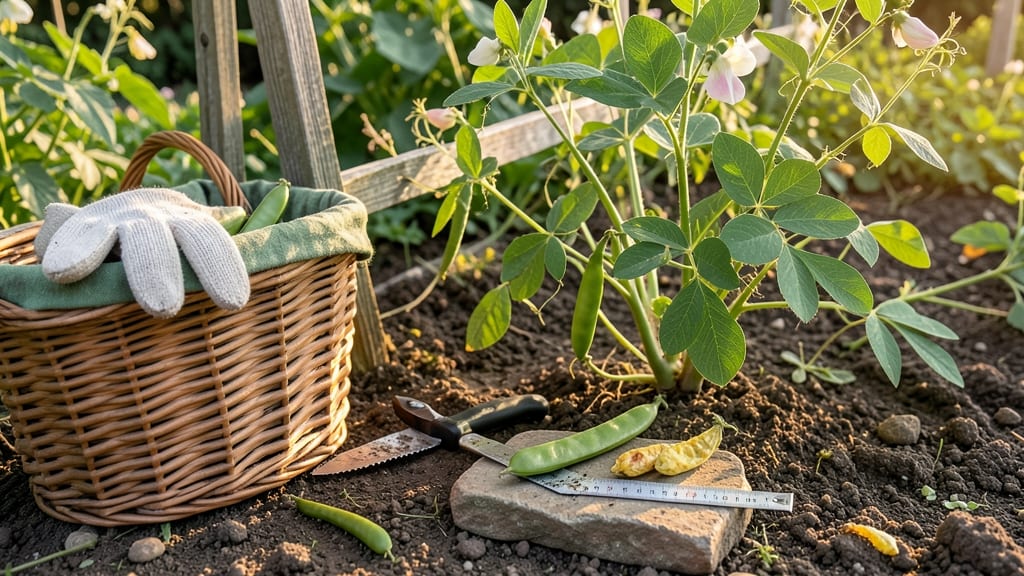
Harvesting garden peas at the right time ensures sweet, tender pods bursting with flavor—wait too long, and you’ll end up with tough, mealy shells that ruin the whole dish.
I’ve seen gardeners miss the window by just a few days, turning their harvest into a bitter disappointment. The key? Watching for pods that are bright green, plump, and about 2 to 2.5 inches long—that’s when the peas inside are plumpest and most flavorful.
If you’re growing Garden Pea 🌱 in zone 6a, timing matters even more. Spring plantings typically hit peak harvest between May and June, while late-summer crops are ready in September or October. But don’t rely on the calendar—check the pods daily once they start forming.
In this guide, I’ll break down the exact cues to look for, how often to harvest for continuous production, and the one mistake that turns sweet peas into stringy disappointments. Let’s get started!
How to identify garden peas ready for harvest by pod size & color
Harvesting garden peas at the perfect moment transforms your labor into a sweet, tender reward. The key lies in paying close attention to pod size, color, and texture—each clue signals whether your peas are ready or still maturing.
Ignoring these visual cues can lead to tough, stringy pods that ruin the delicate flavor you're craving.
For most varieties, like Sugar Snap or Snow Peas, timing is everything. A pod that's just right should feel firm yet tender when gently squeezed, with a bright green hue and visible peas inside that haven't yet filled the entire pod.
These are the hallmarks of peak sweetness and texture.
| Pod Characteristic | Ready for Harvest | Not Ready | Overripe |
|---|---|---|---|
| Pod Length | 2-2.5 inches | Under 1.5 inches | 3+ inches |
| Pod Color | Bright green | Pale green/yellowing | Dull yellow/brown |
| Pod Texture | Firm but tender | Hard and woody | Soft and mushy |
| Pea Visibility | Visible, plump | Barely visible | Overcrowded |
| Pod Sound | Snaps easily | Resistant to bend | Crunchy or hollow |
One of the most reliable indicators is pod length. For most garden pea varieties, aim for pods that measure between 2 to 2.5 inches. This size ensures the peas inside are fully developed but haven't yet become overcrowded, which leads to tougher textures.
If you're growing Sugar Snap peas, slightly longer pods (up to 3 inches) are ideal since they're harvested with the peas still inside.
Color is another critical clue. A bright, vibrant green pod is your target—this indicates freshness and peak sweetness. If you notice any yellowing or browning, it's a sign the peas are overripe.
Overripe pods often develop a dull, waxy appearance and may even start to shrivel, making them unappetizing. Always harvest on a cool morning when pods are fully hydrated for the best flavor.
Don't overlook the texture test. A ready-to-harvest pod should feel firm yet slightly tender when you gently squeeze it. If it feels hard and woody, it's still maturing and needs more time.
Conversely, if it feels soft or mushy, the peas inside have likely dried out, resulting in a mealy texture. For the best experience, harvest when pods snap easily when bent—this is a foolproof way to gauge readiness.
For shelling peas like Green Arrow or Little Marvel, pay extra attention to the peas inside. They should be plump and visible through the pod but not so large that they're pushing against each other.
Overcrowded peas inside the pod will lead to smaller, tougher peas that lack sweetness. If you see the peas inside looking shriveled or dried out, it's a clear sign you've missed the window.
Timing also depends on the variety you're growing. Snow Peas and Sugar Snap Peas should be harvested when pods are flat and bright green, typically around 60-70 days after planting. Shelling peas, on the other hand, are best picked when pods are round and slightly swollen, usually around 70-80 days.
Always check the seed packet for variety-specific guidelines to avoid disappointment.
One common mistake is waiting too long because you assume bigger pods mean better peas. In reality, overripe pods lead to tough, stringy peas that are far less enjoyable.
If you've missed the ideal harvest window, you can still pick overripe pods, but they're best suited for freezing or cooking rather than eating fresh. To maximize your harvest, I recommend picking peas every 2-3 days once they start to form.
Pro tip: Use a small pair of garden shears to snip pods from the vine instead of pulling them. This method reduces damage to the plant and encourages more production.
Always harvest on a dry, sunny morning when pods are at their freshest. By following these cues, you'll enjoy a steady supply of sweet, tender peas straight from your garden.
Remember, the goal is to balance size, color, and texture. When all three align—bright green, firm yet tender pods with visible but not overcrowded peas—you've hit the sweet spot. Happy harvesting! 🌱
Best practices for harvesting peas without damaging plants
Harvesting peas at the right time ensures sweet, tender pods while protecting your plants for continuous production. The key is to pick regularly—every 2-3 days—before pods toughen. Overlooking this can stress plants and reduce future yields, so timing and technique matter just as much as when you harvest.
Start by checking pods for bright green color and plumpness. A ready-to-pick pod should be 2-2.5 inches long and snap easily when bent. If peas inside are visible but not overcrowded, that’s your cue—waiting longer risks mealy texture and shriveled peas.
⚠️ callout-warning
Peas lose sweetness and texture within 24 hours of reaching maturity. Overripe pods (yellowing, shriveled peas) signal the plant to stop producing. Check pods daily—especially during peak harvest season (May-June for spring plantings).
Pro Tip: Harvest in the morning when pods are crispest and dew has evaporated. Avoid wet conditions to prevent disease spread.
Use a sharp pair of scissors or your fingers to snap pods cleanly at the stem. Avoid yanking—this can damage vines and reduce future production. For bush varieties, grasp the pod firmly and twist gently; for vining peas, support the vine with one hand while harvesting.
Frequency is critical: harvest every 2-3 days during peak production to encourage more pods. If you miss a day, the plant may redirect energy to seed development instead of new flowers. Aim to pick half the pods when they’re young for a steady, prolonged harvest.
After harvesting, rinse pods briefly in cool water and store in the fridge for up to 5 days. For long-term storage, shell peas immediately and freeze them. This preserves sweetness and extends your harvest’s shelf life while keeping your plants productive.
To extend the season, succession plant every 2 weeks in early spring or late summer. This staggered approach ensures a continuous supply and minimizes stress on individual plants. With the right timing and care, your pea harvest can last 6-8 weeks or longer!