
Picking
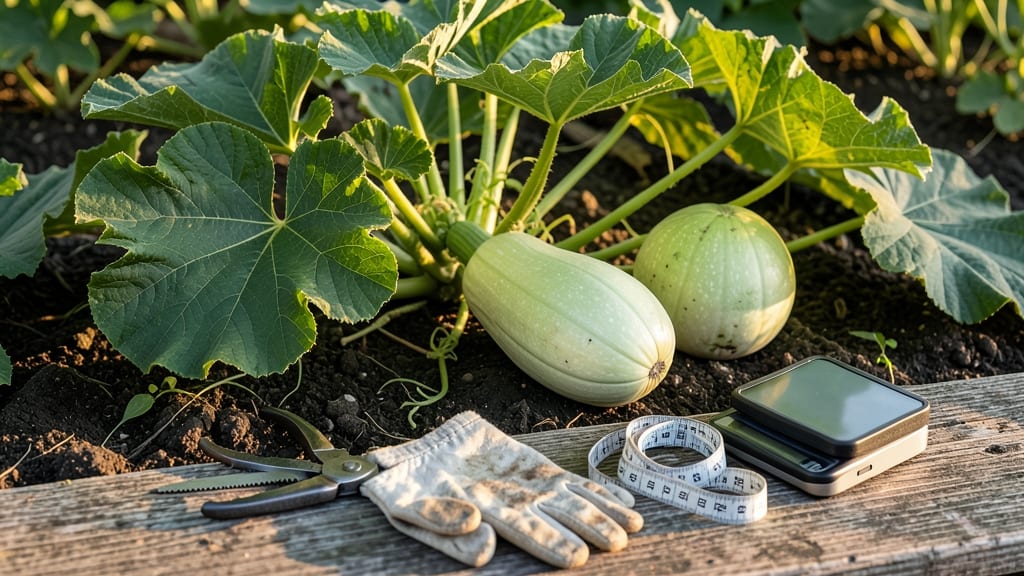
Harvesting spaghetti squash from the garden at the right time means the difference between tender, stringy perfection and a tough, flavorless mess—so timing is everything.
Picture this: you’ve nurtured your 🎃 spaghetti squash all season, and now the moment has arrived. But how do you know it’s truly ready? One wrong move, and you’re left with a squash that’s either too hard or too soft—neither of which ends up on your dinner plate.
The key lies in watching for subtle changes in color, firmness, and even the stem’s condition.
Most gardeners wait until the rind shifts from bright green to a dull yellow or beige, and the skin resists pressure from your thumbnail. But there’s more to it than just color—temperature, frost risk, and even the variety play a role.
Let’s break down the exact cues you need to know so you never miss the perfect harvest window.
In this guide, you’ll learn how to test for ripeness, spot the signs of overripe or underripe squash, and even salvage a less-than-perfect harvest. By the end, you’ll be picking your spaghetti squash with confidence—and enjoying that restaurant-quality texture at home.
How to identify the perfect harvest time using seed color and firmness
Harvesting your spaghetti squash at the right moment transforms tough, fibrous flesh into delicate, noodle-like strands. The key lies in two simple but critical visual cues: rind color and firmness. When these signals align, you’ve hit the sweet spot for flavor and texture—no guesswork required.
Start by observing the skin color. Young squash boasts a vibrant green hue, but as they mature, the rind shifts to a dull yellow-beige.
This color change signals the squash has reached its optimal sugar content. Ignoring this cue often leads to overripe squash with watery, bland strands.
Next, examine the stem. A ripe spaghetti squash will have a dry, brown stem that separates easily from the fruit. If the stem remains green and moist, your squash needs more time on the vine.
This simple test saves you from harvesting too early and ending up with fibrous, unpalatable flesh.
Now, let’s compare these cues side-by-side for clarity. The table below breaks down the visual and physical signs of a perfectly ripe spaghetti squash versus one that’s not ready.
| Sign | Not Ready (Green) | Perfectly Ripe (Yellow-Beige) |
|---|---|---|
| Rind Color | Bright green | Dull yellow-beige |
| Stem Condition | Green and moist | Brown and dry |
| Firmness Test | Skin easily punctured with thumbnail | Skin resists thumbnail pressure |
| Vine Appearance | Healthy and green | Yellowing and dying back |
Don’t rely solely on size—some varieties grow large but remain underripe. Instead, perform the thumbnail test: Press your thumbnail into the rind. If it leaves a deep mark, the squash isn’t ready. A ripe squash will feel hard and firm with little to no indentation.
Timing matters, too. Harvest in the morning when temperatures are cooler. This preserves the squash’s natural sweetness and prevents bruising. Use a sharp knife or pruning shears to cut the stem, leaving a 1-inch stem attachment to extend shelf life.
Avoid these common mistakes that ruin flavor: harvesting after the first frost, which turns flesh bitter and mushy, or waiting until the vines are completely dead, leading to overripe squash. Even a few days past prime can make the difference between gourmet-quality strands and disappointment.
Pro tip: If you’re unsure, harvest one squash early and taste-test it. This hands-on approach ensures you’ll nail the perfect harvest time for future crops. Store ripe squash in a cool, dry place for up to two months, but eat it fresh for the best texture.
Mastering these visual and tactile cues guarantees your spaghetti squash will deliver that restaurant-quality texture every time. Happy harvesting!
Spaghetti squash harvest timeline: days to maturity by variety
Timing your spaghetti squash harvest depends heavily on the variety you're growing, as maturity ranges from 80 to 120 days after planting. Understanding these windows helps you plan for climate adjustments—whether you're in a short-season zone or extending your growing season with row covers.
Each variety also responds differently to temperature shifts and daylight changes, so knowing these specifics ensures you don't miss the perfect harvest window.
For example, 'Honey Bear' matures quickly at 85-95 days, making it ideal for early-season harvests in warmer climates. Meanwhile, 'Casaba' takes 100-120 days, perfect for gardeners in cooler regions who need extra time.
Below, I’ve broken down the most popular varieties and how to adjust for your local growing conditions.
If you're in a short-season climate, opt for early-maturing varieties like 'Honey Bear' and plant them as soon as soil warms to 60°F. Use row covers or black plastic mulch to extend the season by 2-3 weeks.
For cooler regions, 'Casaba' thrives with longer daylight exposure and benefits from late-summer planting to avoid frost.
Adjust your harvest timeline by 10-15 days if temperatures dip below 70°F during growing season—squash matures slower in cooler weather. Conversely, in hot climates, some varieties like 'Vegetable Spaghetti' may ripen 5-10 days faster.
Always monitor rind color and stem dryness as your final cues, regardless of the variety.
Pro tip: Plant a mix of early, mid, and late-season varieties to stagger your harvest and enjoy fresh spaghetti squash for 6-8 weeks. This strategy also minimizes risk if unexpected weather disrupts your garden.
For example, 'Honey Bear' in July and 'Casaba' in August gives you a continuous supply through fall.
Once you’ve identified the right variety for your climate, mark your calendar 10-14 days before the estimated maturity date to start checking for harvest readiness. This gives you time to adjust if weather delays ripening or if you spot early signs like yellowing vines or hardening rinds.