
Picking
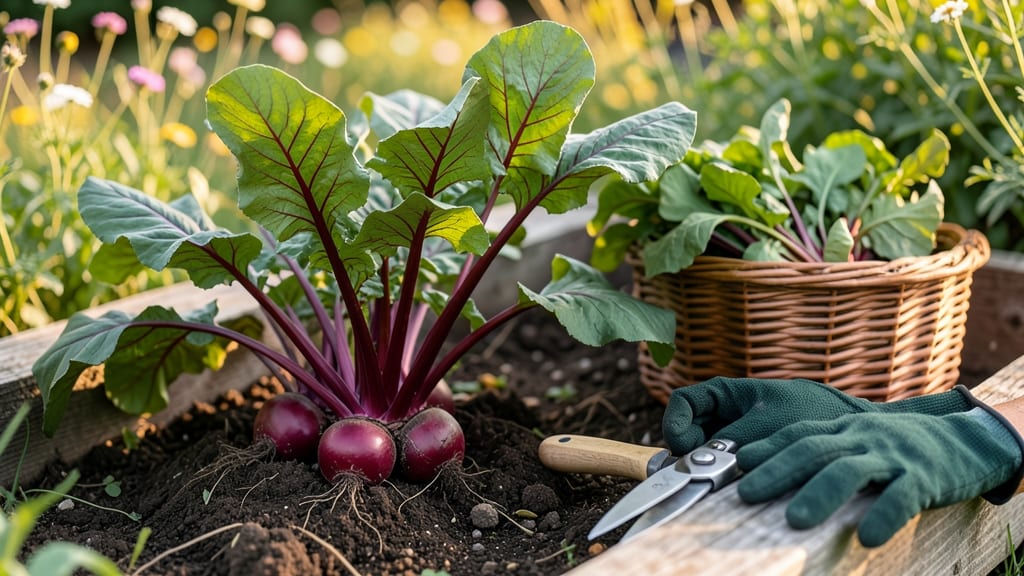
To pick beets from your garden at the perfect time means harvesting roots that are sweet, tender, and packed with flavor—not the tough, woody mess you get when you wait too long.
Picture this: you’ve nurtured your 🍠 for weeks, and now the moment of truth arrives. One wrong move, and you’ll either pull baby beets that are underwhelming or overgrown roots that turn bitter.
The good news? With just a few simple checks—like the finger-pressure test or watching for deep color—you can nail the harvest every time.
Season matters too. Spring-planted beets in zone 6a are ready around 60-70 days, but fall harvests can stretch later if you time it right. I’ll show you exactly how to tell when they’re ready, whether you’re after tiny baby beets or full-sized gems.
By the end, you’ll know the three foolproof signs of a perfect beet, how to store them for maximum freshness, and even how to coax a second harvest from the same patch. No more guesswork—just crisp, sweet roots straight from your garden.
3 Finger tests to determine when beets are perfectly ripe
Nothing beats the satisfaction of pulling perfectly ripe beets from your garden—sweet, tender, and bursting with flavor. But how do you know when they're ready? The key lies in three simple finger tests that reveal the ideal harvest moment.
These methods help you avoid the pitfalls of underripe beets (too watery and bland) or overmature roots (woody and tough). Let’s dive into the hands-on techniques that will transform your harvests.
Beets mature at different rates depending on the variety—some are ready in 50 days, while others take up to 70 days. However, the physical cues remain consistent. By mastering these finger tests, you’ll never second-guess your harvest timing again.
Start with the root size comparison, then move to the leaf color analysis, and finally, use the finger-pressure test for the ultimate verdict.
-
1. Root Size Comparison
Compare your beet roots to a 1-inch diameter reference (like a quarter). Baby beets should be harvested at 1-2 inches, while mature beets reach 2-3 inches. Use a ruler for precision! -
2. Finger-Pressure Test
Gently press the beet root with your thumb and forefinger. If the skin resists slightly but doesn’t dent, it’s ready. A deep indentation means it’s overripe and past its prime. -
3. Leaf Color Analysis
Healthy beet greens should be vibrant and deep-colored (red, golden, or striped). Wilting or yellowing leaves signal it’s time to harvest before the plant bolts or the root toughens.
For baby beets, focus on the 1-2 inch diameter rule and harvest when the leaves are about 3-4 inches tall. These tiny treasures are perfect for salads and quick cooking.
In contrast, mature beets should have a 2-3 inch diameter and a deep, consistent color. Their leaves will be larger, often reaching 6-8 inches in height.
The finger-pressure test is my favorite because it’s instant feedback. I’ll gently squeeze the root—if it feels firm but not rock-hard, it’s ready. This test also helps distinguish between varieties like Detroit Dark Red (deep red, firm) and Chioggia (striped, slightly softer).
Pro tip: Test a few beets in a patch to ensure consistency before harvesting the whole row.
Don’t overlook the leaf color as a secondary indicator. Beet greens should stay lush and vibrant until harvest. If you notice yellowing or curling, it’s a sign the beet is redirecting energy to seed production, making the root tough and less flavorful. Harvest immediately to avoid this common mistake.
Seasonal timing also plays a role. In spring plantings, beets mature faster due to cooler temperatures, while fall harvests may take slightly longer. Adjust your finger tests accordingly—spring beets might be ready in 55-60 days, while fall varieties could stretch to 65-70 days.
Always account for your local climate and frost dates.
Once you’ve mastered these tests, you’ll never guess when to harvest again. The root size, leaf health, and finger-pressure response work together to give you a foolproof system. Start testing your beets 2-3 weeks before their expected maturity date to stay ahead of the game.
This proactive approach ensures you’re always one step ahead of the woody, overripe beets that plague impatient gardeners.
Remember, the goal is sweetness and tenderness. A perfectly ripe beet should yield slightly when pressed but still hold its shape. With these three tests in your toolkit, you’ll be harvesting beets at their peak—every single time.
Now grab your gloves, head to the garden, and put these methods to the test! 🌱
How to harvest beets without damaging the roots (step-by-step guide)
Once your beets pass the finger-pressure test and reach ideal size, it’s time to harvest carefully to preserve those sweet, tender roots. The wrong technique can bruise the roots or leave behind broken pieces in the soil.
Follow these steps to dig beets cleanly while keeping them intact and ready for storage or cooking.
Start by gathering your tools: a garden fork, pruning shears, and a bucket of water. Work on a dry, sunny day when the soil is slightly moist but not waterlogged. This ensures the roots come out cleanly without sticking to the soil.
Pro Tip: Avoid harvesting beets when the soil is too wet—this can cause mud to cling to the roots, increasing the risk of rot during storage. If rain is forecasted, harvest a day or two in advance.
Step-by-Step Guide to Harvesting Beets
- Step 1: Loosen the soil around the beet with a garden fork, inserting it 2-3 inches away from the plant and gently prying upward.
- Step 2: Grip the beet’s leafy tops and pull upward firmly while wiggling slightly to release the root from the soil.
- Step 3: Shake off excess soil, but avoid rinsing the roots yet—this can introduce moisture that shortens storage life.
- Step 4: Use pruning shears to trim the leafy greens to about 1 inch above the root, leaving a small stem to prevent bleeding.
- Step 5: Place harvested beets in a shady, well-ventilated spot for 1-2 hours to let the cut ends dry and form a protective callus.
- Step 6: Store beets in a plastic bag in the fridge for up to 2 weeks, or cure them for long-term storage (see post-harvest care below).
If you’re harvesting baby beets, stop when the roots reach 1-2 inches in diameter. For mature beets, aim for 2-3 inches—any larger, and the texture becomes woody. Always leave the outer leaves intact to protect the root during harvest.
After harvesting, avoid washing beets until you’re ready to use them. Excess moisture speeds up spoilage.
For long-term storage, cure the beets by placing them in a cool, dark place (50-55°F) for 1-2 weeks to toughen the skin, then store in a sandy soil mix or sawdust in a root cellar.
Common mistakes like digging too aggressively or harvesting in wet soil can damage roots. By following these steps, you’ll enjoy beets that stay fresh, flavorful, and ready for your favorite recipes—without the stress of a messy harvest. 🌱